
Upward Plank Pose (Purvottanasana)
What is the Upward Plank Pose?
Purvottanasana, also known as the eastward-facing stretch or the upward plank posture, strengthens the back, wrist, and leg muscles. It is a full-body workout that targets both the anterior and posterior muscles of the body.
It is classified as an intermediate position since it needs muscle strength, stretch, and balance. Aside from that, it comprises inversion of the head and neck.
To get into this position, sit in dandasana (staff stance). From there, the arms are brought back and the hands are placed on the floor. It is followed by elevating the hips and legs while keeping the feet on the ground. The entire body is balanced on its hands and feet, with the head hanging backward.
This position helps to expand the hip, shoulder, and chest muscles. It is a counter posture to all forward bends and helps to release muscular tension.
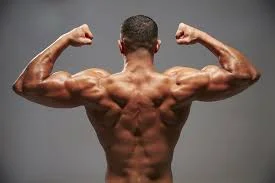
Muscle Work During Upward Plank Pose:
- Arm and Shoulder Muscles
- Middle Back Muscles
- Upper Back Muscles
- Chest Muscles
Video of Upward Plank Pose:
How to Perform the Upward Plank Pose?
- Start by sitting in dandasana.
- Draw your arms backward and lay your hands behind your hips. Keep the fingers pointed towards the feet.
- Bend your knees and position your feet one foot away from your buttocks.
- Exhale, then elevate your hips into an inverted tabletop posture while pushing your hands and feet to the floor.
- Straighten your legs forward one at a time, keeping your hips in alignment.
- Keep your toes and feet firmly on the floor, and raise your hips to shoulder level.
- Gently lower the head backward, keeping your sight fixed on the ceiling.
- Hold the stance for 30 seconds and continue breathing.
- Inhale and bring the chin back to the chest.
- Exhale, lowering the hips to the floor and releasing the hands.
- Dandasana helps to relax the body.
Benefits:
Strengthens the arms and legs.
Purvottanasana keeps the entire body balanced on the hands and legs. The arms are held straight with severe wrist strain. The inner thighs, glutes, and calf muscles are all stretched throughout the position.
It increases muscular size and endurance, strengthening the arms and legs.
Opens the chest.
The shoulder muscles are also stretched to maintain the hands on the floor and the body balanced. It widens the chest, and lowering the head backward elevates the heart. It boosts the heart rate and vascular system.
Stimulates the respiratory organs.
The opening of the chest extends the internal organs, especially the lungs. The enlargement of the lungs increases the supply of oxygen. This gradually increases breathing capacity, which activates the respiratory system.
Improves spinal flexibility.
The back and hips are raised off the ground. The entire back is stretched out by dragging the spine towards the neck and pressing the feet away from the torso.
Maintains metabolism.
Purvottanasana activates the thyroid gland. It promotes optimal thyroid hormone secretion, which regulates the body’s metabolism.
Promotes a toned physique.
Purvottanasana is a challenging stretch for the entire body. It stretches all of the muscles, from the toes to the neck. Balancing the body on hands and feet demands significant muscle and burns calories.
Preparatory Poses:
- Cow Face Pose (Gomukhasana)
- Reclining hero Pose (Supta Virasana)
- Bridge Pose (Setu Bandha Sarvangasana)
- Bow Pose (Dhanurasana)
Modifications:
Blocks: While sitting in dandasana, place two blocks behind your hips. Bring your hands back and rest them on the blocks. Lift your hips and legs off the floor, resting your hands on the blocks.
Chair: Place a chair behind you as you complete the dandasana. Reach its chairs with your hands. Lift the body, pressing your hands on the chair’s edge.
Chair with bolster: Put a bolster over the chair behind you. Put your hands behind your hips and do purvottanasana. Rest your head over the bolster as you lower your head backward.
Variations:
Kona Purvottanasna
This is an advanced version of purvottanasana in which the body is supported on forearms rather than palms.
Sit in dandasana and pull your arms back. Place your forearms and hands on the floor. Using core muscles to raise the legs, hips, and body off the ground.
Salamba Purvottanasna
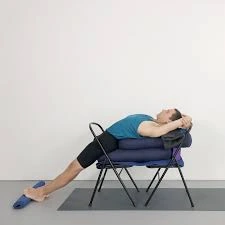
The word salamba implies “supported.” It is a restorative variant of purvottanasana, which is taught in Iyengar yoga. In this form, a chair with a blanket-covered seat and a folded mat is used to support the back.
Purvottansana, one leg lifted
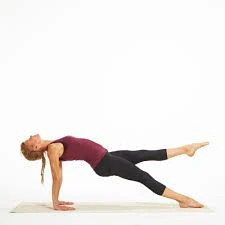
Perform purvottanasana by slowly lifting one foot off the ground. Extend the elevated leg upward, toes pointed front. Then elevate the leg perpendicular to the floor, toes pointing to the ceiling.
Purvottanasana legs at the right angle
This is also known as the reverse tabletop position. Come into a complete upward plank position. Then slowly move your feet back while raising your back. Slide the feet up to the point where they are squarely beneath the knees, resulting in a tabletop posture.
One foot on the opposite knee
Purvottanasana is performed with the hands behind you and the fingers pointing away. Shift your body weight to the right. Gently put the left foot over the right knee. Maintain the posture by balancing on your hands and one leg.
Precautions:
- If you have a headache or are experiencing neck tension, do not lower your neck. Instead, maintain your chin close to your chest while you complete the position.
- Keep the wrists below the shoulders.
- Roll your shoulders back to fully open your chest.
Contraindications:
- Purvottanasana should not be performed if you are injured in the wrist, neck, or back.
- People with high blood pressure should never do it without the guidance of an expert.
- Avoid this stance if you have a bad migraine.
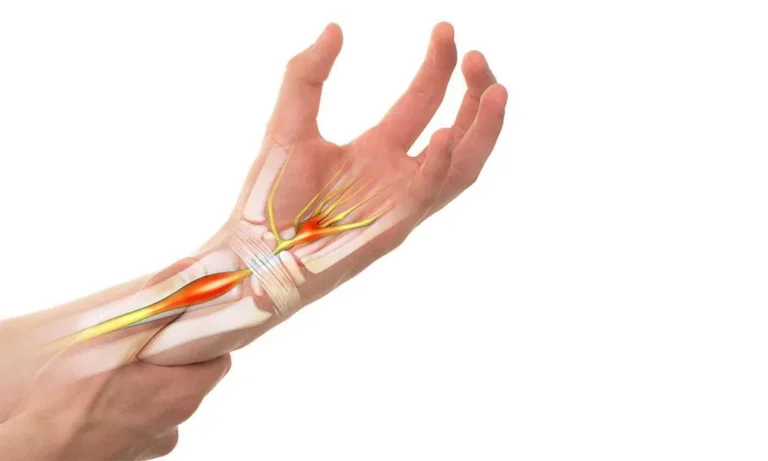
- People with carpal tunnel syndrome should avoid this stance.
- Patients with cervical spondylitis must avoid this asana.
FAQs
What is Purvottanasana or Upward Plank Pose?
Begin in Dandasana by extending your legs straight in front of you. Position your hands slightly behind your hips, fingers pointing to your toes. Flex your feet. Rotate your thighs inward, and engage your core by bringing your stomach in and up. Inhale deeply as you raise your hips as high as possible, keeping your chin on your chest.
Who should avoid the upward dog pose?
However, this posture is easy to practice incorrectly, especially when it is part of a vinyasa flow, so avoid it if you are experiencing back discomfort or have a history of back problems.
What is the one-legged upward plank pose?
Begin in an Upward Plank and elevate one leg into the air, energising the toes. Make it your objective to maintain the opposing big toe planted to the ground while lifting the hips higher. Maintain shoulder alignment with the wrists. Relax the crown of your head back if your neck permits.
What are the preparatory poses for Purvottanasana?
To complete Purvottanasana, you must have both strength and flexibility.
The plank pose can help you build arm strength.
Bow posture may help you stretch your chest and front deltoids, which demand a lot of flexibility.
Before attempting yoga positions like the reverse plank, novices should work on improving their joint mobility and flexibility. Wrist flexion, ankle flexion, and extension can help you prepare these two important joints for action. All of these preparations might help you increase your flexibility and strength for Purvottanasana.
What is the upward plank in Sanskrit?
Purvottanasana is derived from three Sanskrit concepts.
Purva + Uttana + Asana.
Purva means “east.” Uttana means “intense stretch,” while asana refers to a yoga position. Purvottanasana is interpreted as extending the east side of the body.
What are the benefits of the Upward Plank Pose?
Upward Plank posture requires you to struggle against gravity to elevate into the posture; therefore, your back must stand up to the challenge. Upward Plank is great for strengthening the postural support muscles in the back. It resembles a “crunch” for the back body.
- Purvottanasana (Upward Plank Pose): Meaning, Steps, & Benefits – Fitsri Yoga. https://www.fitsri.com/poses/purvottanasana
- Upward Plank Pose Yoga Pose (Purvottanasna). Tummee. https://www.tummee.com/yoga-poses/Purvottanasna.
- Bisht, D. (2024, July 27). Upward Plank Pose: A Beginner’s Guide to Strength & Flexibility. Rishikesh Yogkulam. https://www.yogkulam.org/blog/how-to-do-the-upward-plank-pose