
Anaerobic Exercise
What is Anaerobic Exercise?
Anaerobic exercise is brief, high-intensity physical activity that uses stored muscle energy to break down glucose rather than oxygen.
How it works?
Energy source: Your body uses a process called glycolysis to break down glucose, or sugar, for energy instead of oxygen.
Byproduct: During prolonged periods of vigorous exertion, lactic acid is produced by this process and accumulates in your muscles.
Duration: Anaerobic workouts are usually brief yet effective, lasting anywhere from a few seconds to a few minutes before you need to take a break.
Benefits:
- Increased power
- Builds muscle strength and mass
- Increases bone strength and density
- Boosts metabolism
- Can improve cardiovascular health and insulin sensitivity
- Can help decrease fat mass
Difference from Aerobic Exercise
- Anaerobic: intense, brief, and oxygen-free.
- Aerobic: Constant, somewhat intense, uses oxygen to provide long-term energy, such as walking quickly.
Examples of anaerobic exercise
1. Squats

- Your knees should be slightly bent, and your feet should be hip-width apart.
- Slowly descend by contracting your core, as though you were sitting in an invisible chair. Examine your knees to see if they are staying in alignment or buckling.
- After holding for three to five seconds, slowly move back to the starting position.
- To increase the difficulty, drive through your feet into a jump while staying in a squat stance by utilising your core. Land lightly on the balls of your feet, then squat again right away. For ten repetitions, aim for five standard squats and five squat jumps.
2. Push-up

- Your feet should be shoulder-width apart, and your hands should be under your shoulders.
- With your elbows close to your body, slowly drop your chest as far as you can until it hits the mat.
- Keep your elbows turned in towards the mat rather than pointing them out as you gradually rise to your starting high plank position. Try to complete 5–10 repetitions with good form.
- Beginners should begin this technique on their knees and work their way up.
3. Burpees

Burpee Steps:
- Start with a squat and bring your hands down to the floor outside of your feet.
- Leap or step back to do a high plank or push-up.
- Perform one push-up. The feet of the frog extend past its hands.
- After completing one squat jump, return to your starting position. Aim for 5–10 repetitions without pausing.
4. Mountain Climber
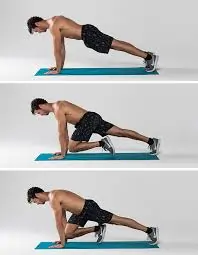
- Perform a push-up with your palms shoulder-width apart.
- Put your right leg back in its initial position after lifting your right knee between your arms.
- Once you have raised your left knee between your arms, return your left leg to its initial posture.
- Do steps two and three as fast as you would if you were running or climbing.
5. Barbell Deadlift
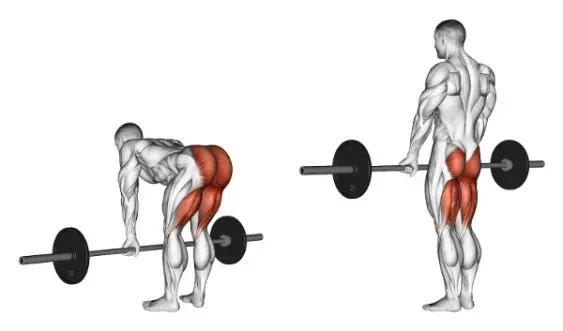
A barbell is a necessary piece of equipment; it is optional to add weights for extra difficulty.
- feet hip-width apart, barbell on the floor, and toes beneath the bar.
- Keep your spine neutral and your core square as you squat down, pushing your hips back. Maintain a flat back instead of bending it.
- Put your hands up on the bar. Make sure your hands on the bar are slightly wider than your thighs.
- Start by pushing through your heels while keeping your knees relaxed.
- Keep the bar near your body and raise it as you lift, allowing the bar and your hips to rise at the same time.
- Take a tall stance at the end and press your glutes.
- Lower the bar carefully to the floor while maintaining a hip-hinge.
- Do 10–12 repetitions and take a 30- to 60-second break in between sets. Finish three sets.
6. Leg Extensions
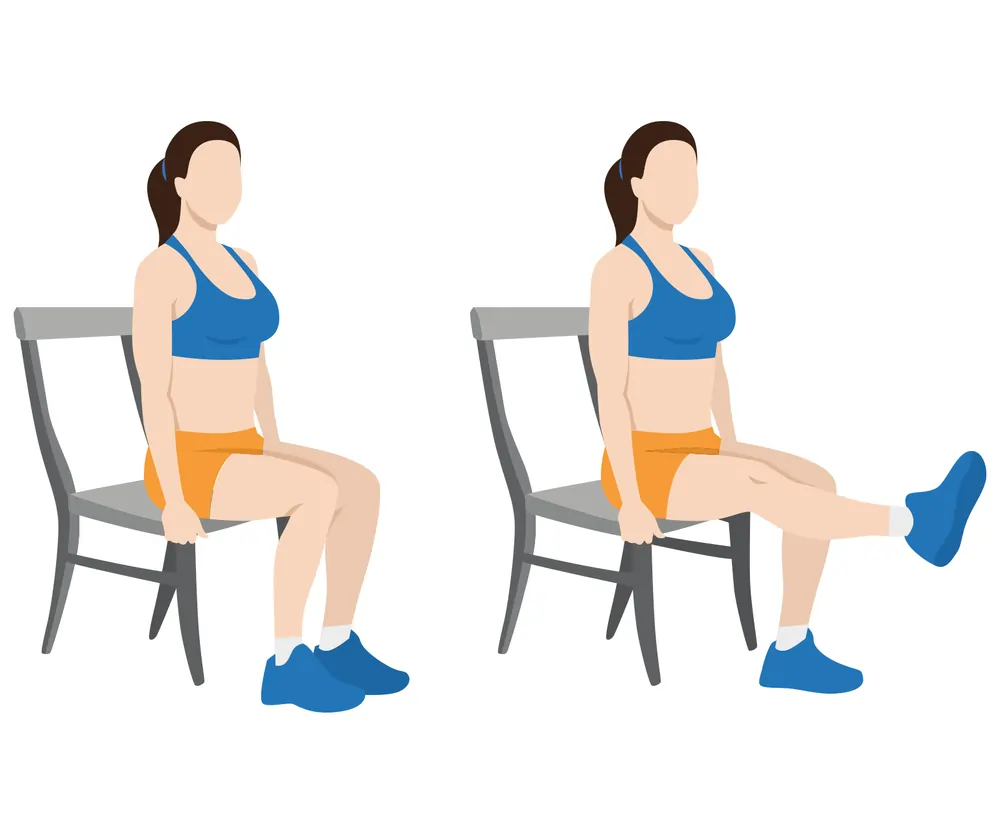
- Put both feet flat on the ground, rest your hands on the chair, and press your tailbone firmly into the back of the chair.
- Extend your right leg slowly in front of you, contract your quads, and stretch your toes as far as you can without compromising form.
- Return to the starting position and swap sides after maintaining the position for 30 to 60 seconds.
7. Plank Bird Dog
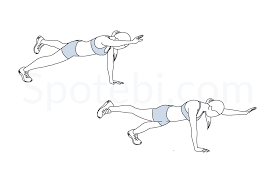
- Push yourself to the limit by placing your hands shoulder-width apart.
- Raising your right leg and left arm into the air will help you balance. Drop them back to their starting position after maintaining the pose for a moment.
- Follow the same procedure for your right arm and left leg.
FAQs
What is Anaerobic Exercise?
Anaerobic exercise is brief, high-intensity physical activity that uses stored muscle energy to break down glucose rather than oxygen.
What are the benefits of anaerobic exercise?
Increased power
Builds muscle strength and mass
Increases bone strength and density
Boosts metabolism
Can improve cardiovascular health and insulin sensitivity
Can help decrease fat mass
How to perform the squat exercise?
Your knees should be slightly bent, and your feet should be hip-width apart.
Slowly descend by contracting your core, as though you were sitting in an invisible chair. Examine your knees to see if they are staying in alignment or buckling.
After holding for three to five seconds, slowly move back to the starting position.
To increase the difficulty, drive through your feet into a jump while staying in a squat stance by utilising your core. Land lightly on the balls of your feet, then squat again right away. For ten repetitions, aim for five standard squats and five squat jumps.
How to perform the barbell deadlift exercise?
feet hip-width apart, barbell on the floor, and toes beneath the bar.
Keep your spine neutral and your core square as you squat down, pushing your hips back. Maintain a flat back instead of bending it.
Put your hands up on the bar. Make sure your hands on the bar are slightly wider than your thighs.
Start by pushing through your heels while keeping your knees relaxed.
Keep the bar near your body and raise it as you lift, allowing the bar and your hips to rise at the same time.
Take a tall stance at the end and press your glutes.
Lower the bar carefully to the floor while maintaining a hip-hinge.
Do 10–12 repetitions and take a 30- to 60-second break in between sets. Finish three sets.
How to perform the push-up exercise?
Your feet should be shoulder-width apart, and your hands should be under your shoulders.
With your elbows close to your body, slowly drop your chest as far as you can until it hits the mat.
Keep your elbows turned in towards the mat rather than pointing them out as you gradually rise to your starting high plank position. Try to complete 5–10 repetitions with good form.
Beginners should begin this technique on their knees and work their way up.
References:
- Shetty, A. (n.d.). Static exercises. SlideShare. https://www.slideshare.net/slideshow/static-exercises/235203974
- Cpt, K. D. M. R. (2025, July 1). 8 Examples of isometric exercises for static strength training. Healthline. https://www.healthline.com/health/fitness-exercise/isometric-exercises
- Chertoff, J. (2019, November 13). How to add compound exercises to your workout routine. Healthline. https://www.healthline.com/health/fitness-exercise/compound-exercises
- Icohen, & Broser, E. (2020, August 25). The 10 best compound Exercises for strength. Muscle & Fitness. https://www.muscleandfitness.com/workouts/full-body-exercises/top-10-compound-lifts-maximum-size-and-strength/