
13 Best Home Exercises for Calves
Introduction:
When performing calf workouts, your primary goal is to strengthen the soleus and gastrocnemius muscles. Although they are sometimes ignored in strength training, calves are vital muscles that regulate the motion of your ankle joints.
In addition to helping with foot movements like drawing your toes towards your knees, twisting your feet inward and outward, and rising onto your toes, strong calves can help avoid ankle problems. These motions enable you to run, walk, and jump.
13 Best Home Exercises for Calves:
Seated Calf Raise

- Place your upper thighs beneath the pad while seated on a calf raise machine.
- Your knees should be slightly above the pad.
- The footplate is where you should place the balls of your feet.
- Lower your heels as much as you can while keeping the balls of your feet in place.
- Push your toes into the pad and slowly lift your heels.
- Continue until your calves start to stretch, maintain the pose for one count, and then slowly return to the beginning position.
- Do this ten to fifteen times.
Standing calf raise

- Place your feet shoulder-width apart and stand erect.
- Maintain a comfortable posture.
- Keep your shoulders back and your core taut as you lift both of your heels off the ground.
- Bring your heels back down to the floor after pausing at the top.
- Perform two or three sets of fifteen reps. You can perform the workout without any weights if you’d like, or you can use a lesser or heavier weight.
Single-leg calf raise

- Place your feet hip-width apart and engage your core as you stand (next to a wall or chair for stability, if necessary).
- Lift one foot just a little bit off the ground.
- Raise your heel till you are on your toes by contracting the calf muscle in your standing leg.
- Hold at the top while maintaining a straight posture, and then carefully lower your heel back to the floor.
- After ten repetitions, switch legs.
Downward dog

Downward Dog Steps:
- Start by assuming a plank posture.
- Maintain a straight arm position while pressing your palms into the mat.
- Imagine pushing your chest towards your thighs while raising your butt towards the sky while tucking your belly, and keeping your knees slightly bent.
- Gently straighten your legs after being raised into this last posture.
- Relax your shoulders and hold your head between your upper arms.
- Extend your legs till your heels make contact with the floor.
- If this isn’t Possible, try to stretch your spine instead of making your feet flat on the floor.
- Keep your entire body active and concentrate on taking deep breaths.
Jumping jacks
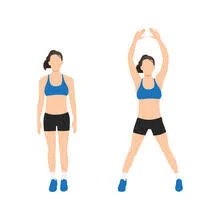
- First, stand up straight, keeping your arms by your sides and your legs together.
- Leap into the air with your knees slightly bent.
- When you jump, swing your arms laterally up and over your head while keeping your legs shoulder-width apart.
- Do 10-15 reps.
- Return to the beginning location and do it again.
Jump squat

- A powerful exercise that works your entire lower body and core is the jump squat.
- Lower yourself into a squat position with your feet hip-distance apart.
- Keep your knees behind your toes and maintain a straight, sturdy back.
- Leap straight up and swing your arms high with control.
- Repeat after gently moving back to your starting position.
Raised heel squat

- Stand with your feet wide apart and your toes pointing slightly outward to start this exercise.
- Lower yourself into a squat position while maintaining a strong back by using your glutes and core.
- Then, raise your heels by applying pressure via your toes.
- Press up to stand while maintaining the weight on your toes.
- Repeat after lowering your heels gradually back to the ground.
Mountain climbers

Mountain climbers steps:
- Start in the plank position, maintaining a straight back, low hips, and an active core.
- Approach your right elbow by bringing your right knee under your chest.
- Bring your left leg under your chest and towards your left elbow, then return your right leg to the plank position.
- Maintaining a constant tempo, repeat while switching legs.
- Breathe deeply and focus on using your hamstrings, glutes, and abs.
Outward calf raise

- Place your feet shoulder-width apart and point your toes out a little.
- To maintain stability, contract your core. Then, slowly raise your heels off the ground.
- To avoid knee pain or injury, make sure your knees remain soft but straight during this exercise.
- After a brief moment of holding at the top, carefully return your heels to the floor.
- Do it again.
Inward calf raise
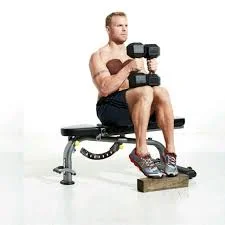
- Keeping your feet shoulder-width apart, point your toes slightly inward this time.
- To maintain stability, contract your core. Then, slowly raise your heels off the ground.
- To avoid knee pain or injury, make sure your knees remain soft but straight during this exercise.
- After a brief moment of holding at the top, carefully return your heels to the floor.
- Do it again.
Tiptoe walk
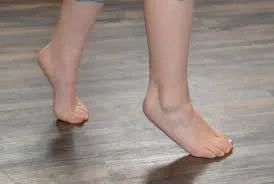
- The calves’ general strength and balance will be enhanced by this workout.
- Lift both heels off the ground and stand up to the tips of your toes.
- Take small steps ahead.
- Keep going for 30 seconds.
- Take a break and do it twice more.
High knees

- Start with a standing position.
- Place your arms by your sides and place your feet hip-width apart.
- Using your core, raise one knee to a 90-degree angle and raise the other arm to shoulder height.
- Change legs quickly to repeat the movement.
- To engage your calves and transition quickly, stay on the balls of your feet.
- Do this 10 times on each leg for a total of 20 repetitions.
Standing wall calf stretch

- Place one foot forward so that the ball of your foot is on the wall and your heel is on the floor while you are standing in front of a wall.
- Lean forward and slowly straighten your front leg while keeping your grip on the wall until your calf feels deeply stretched.
- Repeat after switching legs.
FAQs
How can I raise calves in my house?
21 Best Calf Workouts at Home
Calf stretch.
Single-leg calf stretch.
Squat calf raises.
Seated calf raises.
Jumping calf raise.
Jumping jacks.
Seal jump.
Jump rope.
Will calves be built by squats?
When done correctly and with the right variations, squats may really strengthen your calves and hamstrings. You can reduce your risk of muscular imbalances and develop a well-rounded, balanced physique by including these workouts in your regimen and consulting Atlas Performance Training.
What is the best calf exercise?
The traditional calf-strengthening exercise is the calf raise. The gastrocnemius and soleus muscles are toned and strengthened using your body weight. Better still, they don’t require much time and can be done anywhere.
How much will 100 calf raises each day accomplish?
Enhanced equilibrium. Improved stability of the ankle. Preventing injury to the lower limbs. Strengthening of the lower leg and ankle muscles.
What is the growth rate of calves?
Measurable increases in calf muscle size typically need weeks to months of regular training. However, this can differ from person to person depending on their distinct genetic makeup and workout routine.
Referances
- Smith, P. (2024, August 23). Try these 8 calf exercises — unless your legs are chicken. BODi. https://www.bodi.com/blog/calves-workout-exercises?srsltid=AfmBOoohaDjNXznJn4lRHApTrR_fW4l9U99PmNZXl81WMZt15VycwFiS
- Nunez, K. (2019, July 24). What causes small calves, and what can you do to make them bigger? Healthline. https://www.healthline.com/health/exercise-fitness/small-calves#cons
- Cpt, R. M. B. (2024, August 25). 12 Calf strengthening exercises for sculpted legs. Verywell Fit. https://www.verywellfit.com/the-12-best-exercises-to-strengthen-your-calves-5184522
- 5-minute lower-body strength training workout. (2025, March 27). [Video]. TODAY.com. https://www.today.com/health/diet-fitness/best-calf-exercises-rcna17221


