
Isometric Exercises
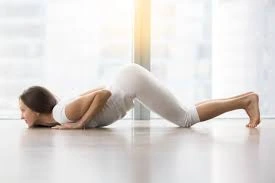
Isometric exercises involve muscle contractions without any visible movement in the joint. These exercises help improve strength and stability by holding a position for a set duration, making them ideal for rehabilitation, core strengthening, and injury prevention.
Introduction
Physiotherapy plays a crucial role in restoring and improving physical function after injury, surgery, or chronic conditions. Among various exercise types used in rehabilitation, isometric exercises are particularly critical. They include contractions of the muscles without any discernible joint movement, making them valuable for maintaining muscle strength and stability while minimizing stress on healing tissues.
Isometric training includes exercises where muscles generate tension without changing length, meaning they don’t stretch or contract during the movement.
In these exercises, your muscles stay active, even though there’s no motion involved.
To maintain stability while holding an isometric pose, such as a plank, you must tighten your leg, upper body, and core muscles.
Physical conditioning and strength training
Exercise type
Strength training plays several roles in rehabilitation.
- Exercises where muscles tighten without much movement or length change are called isometric exercises.
What Are Isometric Exercises?
Static contractions are known as isometric exercises. For instance, you can activate your chest muscles without moving your arms by firmly pressing your palms together.
Your muscles lengthen or extend during the eccentric phase. This is the second phase of a bicep curl, where you return the dumbbells to their initial position.
Do isometric exercises help people get stronger?
Isometric exercises involve tightening a specific muscle or group of muscles without visibly changing their length. Though ineffectively, they can also increase strength. They can also be done anywhere. Planks and leg lifts are two examples.
Isometric exercises will only increase strength in one particular position because they are performed in a single, motionless position.
Types of Isometric Exercises
Isometric exercises can be categorized as:
1. Muscle-setting exercises
Gentle contractions used early in rehabilitation to maintain muscle engagement and circulation, such as tightening the quadriceps while the knee remains straight.
2. Submaximal isometric holds
Moderate effort is used for endurance and strength building, such as holding a wall squat for 10–30 seconds.
3. Maximal isometric contractions
High-effort contractions are performed for maximum strength gains. These are used cautiously, often in athletes or advanced rehabilitation stages.
Isometric exercises
1. Wall sit
The goal of wall sits is to strengthen your thighs, particularly your quadriceps.
Equipment required: Not one
The quadriceps, hamstrings, and glutes were the muscles used.

Stand with back support. Maintain this posture for 15 seconds. Keep your knees aligned above your ankles, with your hips and shoulders pressed to the wall. Do two or three sets.
You’ll feel your thighs working harder and becoming more tense as you stay in this position. Try alternating between lowering your weight and holding it. You’ll feel your thighs working harder and becoming more tense as you remain in this position.
Try alternating between using your heels and your toes to drive your weight down. Just be careful not to put too much pressure on your knees when you put weight on your toes and to avoid letting your knees extend past your toes.
2. Straight arm plank hold
The straight arm plank hold is a great way to work out a lot of your muscles.
Equipment required: Yoga mat optional; none
Muscles: quadriceps, abdominal muscles, glutes, arms, chest, and shoulders.

Start kneeling push-ups. Then press your palms into the ground, extend your legs, and lift into a high plank, balancing on the balls of your feet. When performing a pushup, your body should appear to be in the upward position.
Hold this for 20 to 60 seconds.
3. Side plank
The side plank is excellent for targeting your oblique muscles, which are located along the sides of your torso.
Equipment required: Yoga mat optional; none
The following muscles were used: hip abductors, quadriceps, glutes, obliques, and spinal.

Lie on your side with your legs together, propping yourself up on your forearm so your elbow sits under your shoulder. Engage your core by pulling your belly button inward, and tighten your glutes.
Maintain this position, breathing steadily. Beginners: 15–30 seconds. Progress toward 45–60 seconds or longer.
Maintain this posture for ten seconds or longer. After that, switch sides.
4. Low squat
Most exercises are technically isometric if you hold your body motionless while performing the contraction.
Let’s use the squat as an example to illustrate what we mean.
Equipment required: Not one
Quadriceps, glutes, and hamstrings were worked.

Stand with your feet slightly wider than hip-width. You can turn your toes outward for comfort and either rest your hands on your hips or extend them forward. Keep lowering yourself until your butt is just below your knees.
Lower yourself until your thighs are parallel to the floor if you are unable to go any lower. Maintain a long, non-rounding spine and plant your feet with the heels down.
Maintain this posture for ten to thirty seconds. After that, go back to where you were before.
Do three to five sets.
5. Overhead hold
Your shoulder girdle’s muscular endurance is put to the test with overhead holds.
They resemble an overhead shoulder press except that you hold the weight up rather than lowering it again. Start with light to moderate weights, such as dumbbells between 2 and 10 pounds, and increase the load as you get stronger.

Maintain this posture for 20 to 30 seconds.
Engage core, don’t lean, act like both arms hold weight.
Hold the dumbbells for 20 to 30 seconds.
But if you’re worried that you might lose the weight, stop before this.
Do two or three rounds.
6. Glute bridge
A fantastic exercise for building muscle and strength in your posterior is glute bridges. To demonstrate what we mean, let’s look at the squat.
Equipment needed: Not one
The hamstrings, glutes, and quadriceps were worked.

Stand with hip-width apart. Turn your toes out slightly if that feels better, and place your hands either on your hips or extend them forward.
If that feels too low, stop when your thighs are level with the ground.
7. V-hold
The V-hold is a great exercise for building core strength and enhancing stability.
Equipment required: Yoga mat optional; none
Hip flexors and abdominal muscles were used.

With your arms raised, shoulders pressed down, and legs straight, recline. Make a “V” shape with your body. To make the exercise easier, for an easier variation, rest your arms alongside your body.
Bend your knees slightly to lengthen your back and increase abdominal engagement if standing with your legs straight makes it difficult to maintain a long spine or puts extra strain on your hip flexors.
This position lasts 15 seconds.
Do two or three sets. Keep your back straight and your shoulders relaxed, avoiding any hunching during the exercise. Throughout the exercise, keep breathing.
8. Calf raise and hold
In this exercise, you will maintain the top position of the calf raise rather than performing the standard up-and-down calf raise.
Equipment required: Not one
Soleus and gastrocnemius

Place your feet hip-distance apart as you stand. You might want to stand two feet away from a wall for support. Push through the front part of your feet to raise your heels off the floor.
Hold for 20 to 30 seconds.
Do two or three rounds. Try doing this on one foot for a little more difficulty. Next, switch sides.
Isometric exercises list
Here is a complete list of isometric exercises without descriptions:
Upper Body
- Wall Push-Up Hold
- Plank Hold
- Side Plank Hold
- Isometric Bicep Curl (hold with resistance)
- Isometric Tricep Pushdown (with band or cable)
- Isometric Shoulder Press Hold
- Isometric Lateral Raise Hold
- Isometric Front Raise Hold
- Isometric Chest Squeeze (palms together)
- Isometric Shoulder Blade Squeeze
- Isometric Push-Up Hold (bottom position)
- Doorway Pec Stretch Hold
Lower Body
- Wall Sit
- Glute Bridge Hold
- Isometric Hamstring Curl (using resistance)
- Isometric Quad Extension (with or without resistance)
- Isometric Leg Press (against immovable object)
- Isometric Calf Raise Hold
- Isometric Hip Abduction (lying or standing)
- Isometric Hip Adduction (using pillow or ball)
- Isometric Straight Leg Raise Hold
- Isometric Clamshell Hold
- Isometric Lunge Hold
- Isometric Squat Hold
Core
- Hollow Body Hold
- Dead Bug Hold
- Bird Dog Hold
- V-Sit Hold
- Boat Pose (Navasana)
- Superman Hold
- Isometric Side Bend (holding position)
- Abdominal Bracing (lying or standing)
Neck
- Isometric Neck Flexion
- Isometric Neck Extension
- Isometric Lateral Neck Flexion (left and right)
- Isometric Neck Rotation
Hands & Forearms
- Isometric Grip Squeeze (towel, ball, gripper)
- Isometric Wrist Extension/Flexion Hold
Let me know if you’d like this sorted by difficulty, body region, or for rehab/sports-specific training.
There are several advantages to isometric resistance training (IRT) for fitness and health, such as:
Preserving and Improving Strength:
Research indicates that isometric resistance training (IRT) can help maintain and boost strength in specific muscle positions without needing movement. Because of this, it is especially helpful for improving muscle engagement and stability in specific areas.
Injury Recovery and Prevention:
Because it enables muscle strengthening without placing undue strain on joints, the research also demonstrates that it is advantageous for people recovering from injuries or managing conditions like arthritis.
Blood Pressure Management:
Studies have demonstrated that IRT can successfully reduce and regulate blood pressure, with advantages that are on par with those of antihypertensive drugs. For people with hypertension, this makes it a potentially useful part of treatment regimens.
Safe for Everyone:
That same study confirmed the safety and effectiveness of IRT, particularly regarding cardiovascular responses.
Maintains the Health of Your Blood Vessels:
The training has been associated with improvements in endothelial function, which is essential for preserving the health of your blood vessels and averting cardiovascular disorders.
Improves Blood Flow:
Isometric resistance training (IRT) can create positive changes in your blood vessels, helping circulation and lowering the risk of vascular health problems.
Protects Cells:
Practicing IRT lowers oxidative stress—damage caused by harmful substances—which helps keep cells healthy and supports the body’s antioxidant defenses, reducing the chance of chronic disease.
Supports Heart Health:
IRT may improve communication between the heart and nervous system, promoting a steadier heart rate and healthier cardiovascular function by influencing the autonomic nervous system and enhancing heart rate variability.
Always talk to your healthcare professional before starting isometric exercises, especially if you have high blood pressure or heart conditions.
Devices that measure force during isometric exercises can be used by having a person stand on a force platform.
Their body weight and any additional downward force from muscle effort press into the plate, producing a reading.
Usually, this extra force comes from the person pushing or pulling against something, which increases the pressure they apply downward. A fixed barbell is placed around the subject’s mid-thigh region, and the subject pulls upwards during a mid-thigh pull exercise, for instance. Their feet push downward as a result of this action, applying pressure to the plate in addition to their body weight.
Dynamometer:
A dynamometer measures force when you push, pull, or squeeze its handles. Because the handles are usually quite rigid, there’s minimal movement, making the action mostly isometric. For example, grip strength can be assessed by squeezing the dynamometer’s handles, which generates a force reading on the gauge.
Electromyograph:
It measures how much a muscle is working during movements like pressing, pulling, or holding a position without moving. The electromyography measurement of muscle activation and the mechanical measurement of applied force are typically highly correlated.
Benefits of Isometric Exercises in Physiotherapy
1. Maintain Muscle Strength During Immobilization
When joints can’t move due to injury, surgery, or casting, isometrics help preserve muscle strength and prevent atrophy.
2. Reduce Joint Stress
Since there’s no joint movement, isometric exercises are safe for healing tissues, reducing the risk of aggravating pain or injury.
3. Improve Muscle Activation
They help re-educate muscles that have become weak or inhibited after injury or surgery.
4. Manage Pain
Gentle isometric exercises can reduce pain levels by stimulating neuromuscular pathways and improving blood flow.
5. Enhance Stability
Isometric training helps improve the stability of joints by strengthening surrounding muscles.
Precautions and Considerations
While generally safe, isometric exercises should be prescribed cautiously in certain populations:
People with uncontrolled hypertension (holding breath during contractions can spike blood pressure).
Individuals with cardiac conditions may need to avoid high-intensity muscle contractions.
Those with joint pain should perform only gentle contractions to avoid discomfort.
Physiotherapists assess each patient’s condition to tailor the intensity and duration of isometric exercises appropriately.
Conclusion
Isometric exercises are a valuable part of physiotherapy, offering a safe way to maintain or build strength, reduce pain, and support recovery when joint movement is limited. Whether used in early rehabilitation or as part of advanced strength training, they are versatile tools to promote healing and function.
FAQs
What are examples of isometric exercises?
Plank (full or forearm; maintain body alignment)
Sit on the wall (hold for one minute)
Holds for squats (at least 30 seconds)
Side plank (raise upper arm)
Hold the abdominal cross for 30 seconds, then switch sides.
What are isometric and isotonic exercises?
Isotonic exercise entails applying a consistent amount of weight or tension to your muscles while allowing your joints to move through their full range of motion, whereas isometric exercise focusses on activating your muscles without moving.
Can I do isometrics every day?
Isometric exercises can be performed daily; the key is recovery and intensity. Planks and wall sits are examples of lighter isometric holds that you can add on a daily basis without running too much risk. They are excellent for strengthening muscle activation patterns and enhancing core stability without causing excessive fatigue.
What are the 7 steps of muscle contraction?
1) The neuromuscular junction receives a nerve impulse; 2) Acetylcholine is released; 3) Muscle fibre depolarises; 4) Action potential travels along the sarcolemma; 5) The sarcoplasmic reticulum releases calcium ions; 6) Calcium binds to troponin, revealing myosin binding sites; and 7) Myosin heads attach to actin, starting the power stroke and contraction of the muscle.
References
- Cpt, K. D. M. R. (2025, July 1). 8 Examples of isometric exercises for static strength training. Healthline. https://www.healthline.com/health/fitness-exercise/isometric-exercises
- Are isometric exercises good for strength training? (n.d.). Mayo Clinic. https://www.mayoclinic.org/healthy-lifestyle/fitness/expert-answers/isometric-exercises/faq-20058186
- Wikipedia contributors. (2025, May 26). Isometric exercise. Wikipedia. https://en.wikipedia.org/wiki/Isometric_exercise
- Hyber, J. (2025, May 21). Guide to the top 20 isometric exercises for static strength training. s. https://vertimax.com/blog/top-20-isometric-exercises-for-static-strength-training
- Clinic, C. (2025, June 17). 5 Isometric exercises you should be doing and Why. Cleveland Clinic. https://health.clevelandclinic.org/what-is-isometric-exercise