
What Is Bridging Exercise? Benefits, Steps and Variations
What is Bridging Exercise?
The Bridge Exercises strengthen and stabilise your core by raising your hips while resting on the floor. By strengthening and stabilising these muscles, you will be able to move more freely during daily activities and exercise, reducing unnecessary pressure on neighbouring muscles and joints and, ultimately, discomfort.
Bridge exercises are ideal for at-home fitness since they do not require any specialised equipment. Yoga mats and towels are necessary. A basic exercise like the glute bridge may be performed by everyone, regardless of age or fitness ability. It may be paired with other lower-body workouts to precisely tone and shape the lower body, or it can serve as a warm-up exercise.
Muscle Work During Bridging Exercise
- Gluteus maximus muscle
- Gluteus medius muscle
- Core muscles
- Hamstring muscles
How To Perform?
- Start in a supine lying position on the ground.
- Bend your knees.
- Exhale deeply while lifting your lower back off the ground.
- Maintain a parallel alignment between your thighs and inner feet.
- Positioning oneself from the shoulders to the knees is ideal for a straight spine.
- Reach down and place your hands, palms down, by your sides.
- Hold your position for a few seconds.
- Now, drop your back to the ground.
- Then return to the neutral position.
- Then unwind.
Benefits of Bridging Exercise
The bridge exercise, which stabilises and strengthens key muscle groups, can benefit you in a variety of ways in your daily tasks.
This includes:
Core Stability and Strength
Functional mobility is based on a stable foundation. The transverse abdominis and multifidus are two deep core muscles that aid in overall core stability and balance when bridging. A stronger core is necessary to maintain alignment, avoid falls, and participate in activities that require conscious movement.
Activation of hip and gluteal muscles
Glute strength is required for walking, standing up from a chair, ascending stairs, and maintaining proper alignment while executing various activities. Patients can enhance their functional capacities by strengthening these muscles, resulting in increased power and control over their lower body.
Spine Health
Bridging activates the erector spinal muscles, which are responsible for spinal stiffness. Lifting heavy things and performing housekeeping both require a strong spine. Bridging reduces the risk of injury when carrying out regular chores and helps to maintain a healthy spine.
Step and Motion
The strength gained during bridging can improve gait and mobility. Patients can move with greater confidence and less effort by adopting a more efficient and stable gait pattern, which can be accomplished by strengthening hip muscles and increasing core stability.
Avoiding Falls
Bridging has been demonstrated to increase stability and balance, which is particularly good for the elderly. Strengthening the lower body muscles, particularly the glutes and core, can lessen the chance of falling by improving response times and giving you greater control over your movements.
Variations of Bridging Exercise
Bridging Exercise with Elevated Feet

- Begin by resting comfortably on the ground.
- Take a seat and place your heel on it.
- If you want more comfort, place a little pillow beneath your head.
- Without flexing your knees, elevate your body.
- Maintain a neutral neck position while lifting your body.
- This demands a deep inhalation.
- For a few seconds, you must hold this position.
- Place your body down slowly.
- Then return to the neutral position.
- Then unwind.
Gluteal Bridge with Marching
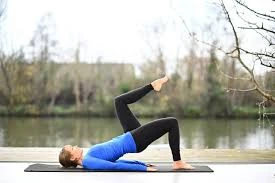
These workouts will strengthen your core muscles, benefiting you in daily life as well as improving your running and sports performance.
- Start by lying down on the floor.
- Bend your two knees.
- This is the beginning place.
- The back and buttocks must be elevated utilising your core muscles.
- Bring your knee to your chest to complete the gluteal bridge march.
- Hold your position for a few seconds.
- Then return to the neutral position.
- Then unwind.
- Repeat on the opposite knee.
Weighted Glute Bridge Exercise
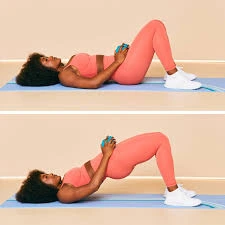
After you’ve learnt the bodyweight bridge exercise, you may add a weight to push your muscles even more.
- Get on the floor and lie down.
- Bend both knees to the floor.
- Place a dumbbell or kettlebell between your hipbones.
- Let go of the tension, expand your hips, and clench your glutes.
- Your shoulders should be parallel to the ground after completing the exercise.
- Hold for a brief period of time, keeping your hips and spine straight.
- Then return to the neutral position.
- Then unwind.
Single-Leg Bridge

This type of bridge requires no tools.
This workout focuses on and develops the hip extensor muscle.
- This exercise needs you to lie on your back with your hands parallel to both sides.
- At this point, lift one leg to about 45 degrees over the floor.
- The first step in a single-leg bridge is to lift your hips and push off the floor.
- You may hold this raise with your abdominals and gluteal muscles until your fingers and shoulders are straight.
- Hold your position for a few seconds.
- Then return to the neutral position.
- Then unwind.
Glute bridge and hamstring curl
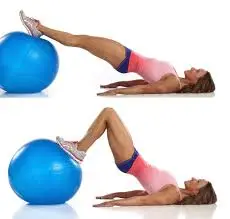
- It’s better to begin by resting on the ground.
- Place a Swiss ball under your feet.
- The idea is to keep the spine in a neutral posture.
- This is where you should begin.
- Your core will stiffen up as you draw in your belly button and spine.
- Press your heels into the Swiss ball to stretch your hips and keep your upper back supported.
- During this exercise, make sure your glutes provide the majority of your strength, not your quads or lower back.
- Bend your knees to bring the Swiss ball closer to you while keeping your core engaged and your hips elevated.
- Tightness in your hamstrings should be felt when doing this.
- Return to the start after taking a breath and widening your legs.
- Then unwind.
Follow-up Tips:
- Before you begin exercising, ensure your body is completely warmed up.
- If exercise causes pain, stop.
- To avoid overtraining and producing painful muscles, gradually increase the number of repetitions and duration of your workout.
- To preserve your health and obtain the intended results, always exercise with proper form.
- When exercising, choose attire that does not restrict your movement too much. Wear relaxed clothing instead.
Contraindications and Precautions:
- The latter phases of pregnancy
- Recently gave birth.
- Recovering after any operation.
- Back, abdominal, pelvic, hip joint, ankle, or knee injuries.
- Hernia in the abdomen.
- Tingling or burning sensations in the thighs and legs.
Common Mistakes:
When doing the primary glute bridge exercise, avoid these postural issues.
Having Too High Hips
Maintain a low hip rise to avoid hyperextending your lower back. Keep your abs firm to avoid straining your back.
Let Your Hips Drop
If you are having difficulty keeping the glute bridge posture due to your hips falling, lower your pelvis to the floor. As you gain strength, you may only need to hold the bridge stance for a brief period at first.
Conclusion:
Bridging is an effective adjunct to physiotherapy treatment regimens, assisting patients in laying the basis for improved functional well-being. These exercises enhance strength, stability, and flexibility by targeting key muscle groups such as the lower back, glutes, and core.
Whether your patients desire to walk more confidently, complete everyday chores more easily, or prevent falls, different types of bridging can assist them in achieving their functional objectives and living more independent and active lives.
FAQs
Is practicing bridges daily safe?
You can do leg bridges every day. You must work on improving your posture and technique. A trainer may be essential to assist you with this procedure. Also, bear in mind that overusing your gluteal muscles can only cause pain.
When should bridging exercises be avoided?
Consult your doctor before starting an exercise program or incorporating new exercises, such as glute bridges, into your current strength training routine. Glute bridge exercises should never be painful; however, you may experience a burning sensation at first.
Is practicing bridge difficult?
Glute bridge is a versatile, challenging, and efficient exercise. Any training program would benefit immensely from it, regardless of age or fitness level.
Does practicing bridges improve posture?
The bridge yoga position helps enhance your posture.
The bridge pose helps to develop your glutes. Stretching the abdominals and expanding the chest and shoulders can also aid in improper posture repair.
Can lower back pain be alleviated with bridge work?
The glute bridge exercise is intended to stimulate the gluteal muscles in an effective and safe manner, boosting the activation of this muscle group, namely the glute medius. Reducing hip and lower back stiffness encourages glute and core exercises.
Can a bridge help lose tummy fat?
Setu bandhasana, commonly known as the bridge position, is a great asana for training the core and reducing belly fat.
References:
- N. P. (2023c), a physiotherapist, December 13. Bridging Exercise: Health Advantages, Methods? – Mobile Physio. Mobile Clinic for Physiotherapy. Here’s how to bridge exercise and health benefits: https://mobilephysiotherapyclinic.in/
- Bridges, [date unknown]. [Vid]. Bridge Exercise: Hingehealth. https://www.hingehealth.com/resources/articles
- C. Fit (2022b), August 17. Benefits, Variations, and More of a Bridge Exercise. The website blog.cult.fit has an article titled “Bridge Exercise: Meaning Variations, How to Do It, Techniques, Benefits, and More.”
- Ninjas, N. (undated). Connecting the Dots and Spots on Exercise. Note Ninjas, that is. Bridge exercise benefits and variations: https://thenoteninjas.com/blog/f
- Bariya, D. (2024a, July 31). Bridging exercise: health benefits, how to do? Physical Therapy Treatment and Exercise. https://physical-therapy.us/bridging-exercise/