Fall Prevention Exercises At Home
Introduction
Fall prevention exercises at home are simple, safe movements designed to improve balance, strength, coordination, and flexibility—helping reduce the risk of slips and falls, especially in older adults.
You may enhance your mobility and overall health by performing these easy balance exercises at home.
If you haven’t worked out in a while, don’t worry; these balance exercises are simple and light.
Keep some water on hand and dress comfortably and loosely. Increase the number of repetitions of each exercise progressively as you build up.
If you lose your balance, consider performing the exercises next to a wall or a sturdy chair.
Fall Risks
Older individuals’ risk of falling is typically influenced by several factors, such as:
- Issues with walking and/or balance. Changes in vision, vestibular issues, and changes in foot sensation can all affect balance.
- The taking of several drugs at once.
- Risks at home, such as low knowledge and trip risks, orthostatic hypotension, a condition in which blood pressure falls when standing, is an example of positional low blood pressure.
- Problems with feet and shoes
Fall Prevention Exercises
Core Balance & Stability Exercises
One-Leg stand

To perform a one-leg stand:
- Start by placing your feet at a comfortable distance from one another.
- As you raise your other foot off the ground and put your heel closer to your butt, shift your weight onto one foot.
- To help you balance, reach the opposing arm out in front of you and use your hand to grasp your elevated foot or ankle.
- To increase stability, hold here while concentrating your gaze on an area of the floor a few feet ahead of you.
- Go back to where you were before.
- On the other side, repeat.
- You may notice that your ankle, leg, and hip muscles are working as you complete each repetition.
Heel-to-Toe walking

This workout improves coordination and balance.
Actions to take:
- Locate an open area where you can move straight ahead.
- Make sure your heel hits your back foot’s toes by placing one foot directly in front of the other.
- Take your time moving forward while paying attention to your balance.
- If necessary, use a wall for support.
- Take ten to thirty seconds to walk in this direction.
Weight Shifting

Weight changes are a good place to start when you’re ready to tackle balance exercises:
- Place your feet hip-width apart as you stand. Distribute your weight evenly over both legs.
- To your right, shift your weight. Remove your left foot from the ground.
- As long as you can maintain proper form, hold the position for up to 30 seconds.
- Increase the number of times you perform the exercise as your balance gets better.
Clock Reach

Ankle stability and general unilateral balance can both be enhanced with this clock-balancing exercise. Additionally, you don’t require any additional equipment!
- Imagine a clock on the floor with the number 12 in front of you while standing on one leg.
- While keeping your balance, reach as far as you can to each number on the clock with your free foot.
- After each reach, return to the center.
Strength-Building Exercises
Sit-to-Stand

To perform a sit-to-stand workout:
- Hold your hands together in front of your chest while sitting in a chair with your feet apart. (Verify that the chair is sturdy and not movable.)
- To stand and maintain this stance, push through your feet without using your hands.
- To sit comfortably in the chair, bend your knees.
Heel Raise

For balance, place your hands lightly on a chair or counter in front of you while standing with your feet a few inches apart.
- Lift your heels off the ground slowly. Keeping your knees straight, roll up onto your toes.
- For almost six seconds, keep your heels up.
- After that, carefully bring your heels down to the ground.
- Perform this exercise eight to twelve times. several times throughout the day.
- You could imagine some soreness or discomfort. However, if your pain increases, quit exercising.
Standing Side leg raise

To perform a side leg lift while standing:
- For balance, lay your hand on a stable surface, such as a table or countertop, and stand with one side facing it.
- With your leg straight and your toes pointed forward (not up toward the ceiling), raise the other leg out to the side.
- When you pause at the peak of the exercise, concentrate on tightening your hip and glute muscles.
- Return to the starting position by slowly lowering your leg.
- You will notice that your butt, thigh, and hip muscles are working as you complete each repetition.
Toe raise
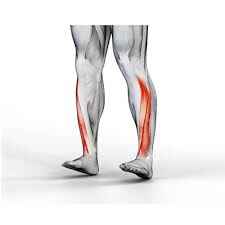
To perform standing toe lifts, locate a stable surface on which to stand. That might be:
- On an angle with your toes below your heels, or on the floor on a step with your toes extending over the edge.
Benefits of Physiotherapy in Fall Prevention
Improving Strength and Balance: Strength is your body’s primary support system. Weak muscles might impair your walk and increase your chance of falling. Strength training workouts target important muscular groups such as the legs and core. These exercises include resistance training and muscular conditioning, which are overseen by a physiotherapist.
Balance is another essential component. It is necessary for balance and coordination. Physiotherapists may use balance exercises, such as standing on one leg or utilizing a balance board, to help you stabilize your movements. The enhancements make daily tasks safer and contribute to independence.
Enhancing Mobility and Stability: Mobility refers to ease of movement, which includes walking and climbing stairs. Physiotherapy aims to improve mobility with exercises that are suited to your unique needs. Regular physical activity increases joint flexibility and muscle strength. It also encourages a safer and healthier lifestyle.
Stability helps you stay upright and minimizes your chances of losing balance. Exercises that directly target your core and lower body can help you improve your stability. A physiotherapist may employ exercises such as tai chi or yoga to help you maintain good posture and coordination. Navigating daily situations gets easier and safer as stability improves.
Designing an Exercise Program: Creating a specific workout treatment is essential for fall prevention. A physical therapist can be your most valuable helper in this situation. They will examine your unique needs, taking into account any limits or health conditions. This personalised technique allows you to target the proper areas, such as your back, legs, and hips, thereby improving your safety and balance.
You may begin with balancing exercises and then go to strength training for an all-around routine. Consistency is critical. Target for at least 2 to 3 sessions per week, each lasting 25-40 minutes. Don’t forget to warm up and cool down!
Practicing these exercises regularly can boost confidence, enhance mobility, and support independent daily living, all from the comfort of your home.
FAQs
What are the best exercises to prevent falls?
Work out to avoid falls.
Exercises for strength and balance include tai chi, stair climbing, and mild weightlifting.
Walking and dancing are examples of endurance workouts.
Flexibility activities include yoga, tai chi, and stretching.
What are the 5 P’s of fall prevention?
Pain, Personal needs, Position, Placement, and Pump are the five Ps of fall prevention in healthcare. This rounding strategy makes sure that patients’ basic needs—pain, comfort, toilet needs, and important items within reach—are met in order to keep them from getting up on their own and running the risk of falling, thereby increasing safety and satisfaction.
The meaning of each “P” is as follows:
Pain: Determine the patient’s level of pain and treat it right away because untreated pain can cause restlessness and falls.
Personal Needs: To avoid rushing to the bathroom, find out if the patient needs to eat, drink, or use the restroom.
Position: To avoid discomfort and the need for an awkward shift, make sure the patient is in a safe, comfortable position with adequate support.
Placement (or Periphery): To prevent reaching or getting up, make sure that all necessary items—such as the phone, call light, water, glasses, and remote—are conveniently located.
Pump (or Personal Property): Verify that all medical equipment, such as intravenous pumps, is operating as intended and that personal property is stored securely to minimize risks.
What are ways to prevent falls?
What to do to avoid falls
Continue to be active.
Try workouts that improve your strength and balance.
Make your house fall-proof.
Get your hearing and vision examined.
Learn about the adverse effects of any medications you are taking.
Make sure you get enough rest.
Limit or stay away from alcohol.
Get up slowly.
What are the activities for falls prevention?
You may, for instance, take a local fall prevention or balance exercise class or perform strength and balance exercises at home using these easy exercise circuits.
Try yoga, Pilates, croquet, or lawn bowls.
What are 5 balance exercises?
Suggests the following five exercises to help you become more stable:
closed position. Keep your feet together and stand as tall and straight as you can while holding onto the back of a chair.
Weight Shifts.
Stance Hold with One Leg.
Hold the Tandem Stance.
Standing with the eyes closed.
How to prevent patient falls: steps?
When you initially wake up, take it gently.
If necessary, use wheelchairs, walkers, or canes.
Keep your personal belongings and call bell close at hand.
Put on supportive, well-fitting footwear with rubber soles or non-slip socks.
Assist in maintaining clutter-free and clean passageways.
What are the types of prevention?
Introduction/Definition
Primordial Prevention.
primary prevention.
By focusing on modifiable risk factors in healthy persons, primary prevention seeks to lower the risk of disease before it manifests.
secondary prevention.
Prevention at the Tertiary Level.
Prevention of Quaternary.
The Prevention Stages Model is expanded upon.
What is the 6 pack falls prevention program?
A fall risk tool and the individual usage of one or more of the following six interventions were part of the 6-PACK program: a “falls alert” sign, patient supervision in the restroom, making sure patients’ walking aids are within reach, toileting, using a low-low bed, and using a bed/chair alarm.
What are the 3 key questions for falls?
Every year, they advise clinicians to ask the 3 Key Questions (3KQ) to all older persons. “Have you fallen in the past 12 months?” is the first inquiry. 2. “Do you experience tremors when walking or standing?” and 3: “Are you afraid of falling?”
What are the 4 types of exercise?
Each of the four fundamental exercise types—aerobic (endurance), strength (resistance), balance, and flexibility—offers distinct health advantages, such as enhanced heart health, stronger muscles, improved stability, and increased range of motion to lower the risk of injury. According to experts at the National Institute on Aging (NIA) and Harvard Health, a well-rounded weekly schedule should include all four to improve general physical ability and avoid boredom.
Below is a summary of each kind:
Exercises that increase your heart rate and breathing are known as aerobic (or endurance) exercises, and they are good for your heart, lungs, and circulatory system.
Exercises that increase muscle mass, bone strength, and metabolism are referred to as strength training (resistance).
Examples include using resistance bands, lifting weights, and bodyweight exercises like squats and push-ups.
Balance exercises are important for people of all ages because they increase stability and reduce the risk of falls.
Examples include heel-to-toe walking, tai chi, and one-footed standing.
Exercises for flexibility (stretching): Movements that increase the range of motion and lengthen muscles, which facilitate daily tasks.
Examples include Pilates, yoga, and static stretching following exercise.
What are the 4 methods of prevention?
Primordial prevents the formation of risk factors, Primary prevents the onset of disease (e.g., vaccinations), Secondary detects and treats disease early (e.g., screenings), and Tertiary manages an existing disease to prevent complications (e.g., rehabilitation). These four primary types of prevention in public health each target distinct stages of disease. Quaternary, the fifth level, attempts to avoid becoming overly medicalized.
This is a summary:
Primordial prevention, which frequently involves societal and policy changes, aims to stop the risk factors themselves from ever emerging in the population.
For instance, encouraging smoke-free regulations or healthy eating spaces to deter people from starting to smoke.
Primary Prevention: Takes action to eliminate the cause of the disease or lessen exposure to risk factors before it manifests.
Examples include seatbelt use, health education, vaccinations, and safe water programs.
The goal of secondary prevention is to stop the progression of disease by focusing on early detection and timely treatment.
Examples include STI contact tracing, blood pressure checks, and mammograms.
Tertiary Prevention: Prevents complications, enhances quality of life, and manages an injury or disease that has already occurred.
For instance, heart rehabilitation, diabetes control, or physical therapy following a stroke.
Quaternary Prevention: Focuses on providing ethical care while shielding people from over-medicalization and needless interventions.
Example: Steering clear of pointless examinations or therapies.
What are fall arrest systems’ ABCDs?
The ABCDs of personal fall arrest systems—anchorage, body support, connecting devices, and descent and rescue—have been promoted for years by those in the fall protection sector.
References
- Balance exercises. (n.d.). Mayo Clinic. https://www.mayoclinic.org/healthy-lifestyle/fitness/in-depth/balance-exercises/art-20546836
- Heel-to-Toe walking | Illinois Extension | UIUC. (n.d.). https://eat-move-save.extension.illinois.edu/move/exercise/heel-toe-walking
- Single-leg balance. (n.d.). [Video]. Hingehealth. https://www.hingehealth.com/gb/en/resources/articles/single-leg-stance/
- SOS Physiotherapy. (2025, February 25). Clock balance exercise. https://sosphysiotherapy.ca/weeklyexercises/clock-balance-exercise/
- How to do heel raises | NYP. (n.d.). NewYork-Presbyterian. https://www.nyp.org/healthlibrary/multimedia/how-to-do-heel-raisesSit to stand. (n.d.). [Video]. Hingehealth. https://www.hingehealth.com/gb/en/resources/articles/sit-to-stand/
- Standing side leg raise. (n.d.). [Video]. Hingehealth. https://www.hingehealth.com/gb/en/resources/articles/standing-side-leg-raise/
- Toe raises for strength and balance. (2020, October 23). Healthline. https://www.healthline.com/health/toe-raises#how-to-do