
Lizard Pose (Utthan Pristhasana)
What is Lizard Pose?
Utthan Pristhasana, also known as Lizard Pose, is an intermediate yoga pose that extensively stretches the quadriceps, hamstrings, and hip flexors. It is well-known for its powerful hip-opening effects, which make it perfect for anyone who wants to strengthen and flex their lower bodies. This pose is difficult, yet it has several advantages that draw a lot of yoga practitioners.
Start in Downward-Facing Dog, put one foot forward outside the matching hand, and lower your forearms to the floor to enter Lizard Pose. With the toes firmly planted in the ground, the other leg should continue to be extended. This position tones the spine, core, and chest muscles while opening the hips and improving flexibility in the arms, shoulders, and legs.
Muscle Work During Lizard Pose:
- Arms and Shoulders Muscles
- Biceps and Triceps Muscles
- Lower Back Muscles
- Core Muscles
- Hip Muscles
- Psoas Muscle
- Gluteus Muscle
- Hamstring Muscle
- Quadriceps Muscle
- Knee Muscles
How to Perform?
- Start with Adho Mukha Svanasana, or downward-facing dog.
- Place your right foot outside of your right hand and step it forward between your hands.
- Keeping your forearms parallel, lower them to the floor.
- If you need support, use a block.
- Press your toes into the ground as you extend your left leg straight back.
- Lower your hips towards the floor while pressing your right knee outward.
- Breathe deeply while holding the stance for 30 to 60 seconds.
- Raise your hands and return your right foot to Downward-Facing Dog to release.
- Step your left foot forward and repeat the process on the other side.
Benefits:
Encourages hip and chest flexibility: Lizard Pose expands the muscles in the hips and chest by actively stretching them. This increases general strength and mobility in the upper and lower body by improving flexibility in the chest, hamstrings, and glutes.
Tones the Abdominal Muscles: In Lizard Pose, the abdominal muscles are stimulated and strengthened since the core muscles are actively used to maintain balance. This activity can help reduce abdominal fat and tone the core.
Enhances Reproductive Health: By extending the groin, Lizard Pose improves blood flow to the reproductive organs and helps lower stress hormones in the pelvic region. Overall, reproductive health may benefit from this.
Helps Release Toxins: By activating internal organs like the liver and kidneys, regular Lizard Pose practice aids the body’s detoxification process. This position helps with the body’s natural detoxifying process and supports hormonal balance.
Strengthens the Shoulders and Spine: Lizard Pose offers a deep stretch and supports spinal integrity by keeping the spine extended. The position strengthens and increases the endurance of the shoulders, which support the body’s weight.
Boost your body’s balance: This pose makes your hip and hamstring muscles more flexible. It also increases focus, which enhances general bodily equilibrium.
Preparatory Pose:
- Lunge Pose (Utthita Ashwa Sanchalanasana)
- Extended Side Angle Pose (Utthita Parsvakonasana)
- Forearm Plank Pose (Phalakasana II)
- Cradle Pose (Hindolasana)
- Bound Angle Forward Bend (Baddha Konasana Uttanasana)
- Half Happy Baby Pose (Ardha Ananda Balasana)
Modifications:
- Yoga blocks: Put a block under each hand or forearm if you are having trouble reaching the floor while maintaining the pose. This will keep the stretch while easing the position.
- Another option is to put the forward foot on the block. The inner thigh and hips will be more stretched as a result.
- To approach the posture without experiencing any knee pain, place a folded towel beneath your back knee.
Variations:
Utthan Pristhasana Variation:
Cross your arms beneath your chest while lying prone. Maintain a straight posture with your legs slightly apart. Elevate your buttocks and trunk while supporting your body with your knees and elbows. Lastly, lower your chest and chin to the floor behind your arms.
Twisted Lizard Pose:
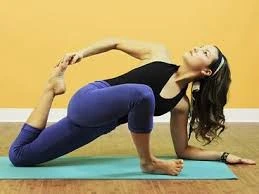
This stance can be a little difficult. Once you’ve achieved the lizard stance, open your knee to the right and tilt your forward outward. Reach your left and squeeze it towards your buttocks while bending your right knee.
Flying Lizard Pose:

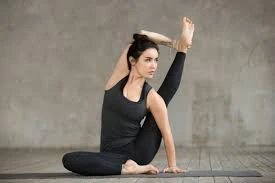
From the basic lizard position, the forearms and front heel are elevated. After that, the front leg is lifted off the ground and wrapped around the matching elbow. With the elbows bent at a 90-degree angle, the rear leg is lifted off the ground with the toes pointed backward by shifting the weight to the palms.
Lizard pose arm variation:
Bring your left hand to your back while keeping your toes on the ground and your left heel raised. Slide the right shoulder under the front knee and grip the left wrist while keeping your front foot and back toes balanced.
Precautions:
- Avoid if you have shoulder or wrist problems; if necessary, utilise props for support. If you have tight hips or have trouble lowering your forearms, use blocks or a bolster.
- To avoid straining your lower back, keep your rear leg moving.
- If you have knee sensitivity, place a folded blanket or pillow beneath your knee.
- To prevent overstretching, ease yourself into the pose.
- If you are pregnant or have certain medical concerns, speak with a qualified yoga instructor or healthcare professional.
Contraindications:
- Avoid if you have a back, hip, knee, or ankle injury.
- If you are recuperating from a recent surgery, avoid practicing.
- Before performing the position, anyone with abnormal blood pressure should speak with a healthcare professional.
- If you have a hernia or dislocated shoulder, avoid the posture. Stay away of practicing with a heavy head or serious neck problems.
Common Mistakes:
You’re Not Breathing Correctly:
Take your time going through Lizard Pose. Take a moment to refocus if you find yourself holding your breath at any stage. Ask your yoga instructor to demonstrate some breathing awareness techniques if you have trouble focusing or don’t know where to breathe.
Your Hips Are Being Forced Open:
Lizard position is an intermediate-to-advanced level position, but that doesn’t imply you should push yourself too far. It’s crucial to pay attention to your body and move carefully, especially while using hip openers.
Remember:
Everybody begins many postures, but particularly ones like Lizard Pose, with varying degrees of natural pelvic flexibility and structure. While some people may benefit from Lizard Pose right away, others may need time and consistent practice.
If you require a modification, don’t be afraid to request it. Performing the posture in whichever method is safest and most effective for you is significantly better for your body and your yoga practice than trying to fit in with someone else’s expectations and running the risk of being hurt.
Conclusion:
Utthan Pristhasana, also known as Lizard Pose, is a potent intermediate yoga pose that has several advantages for the body and mind. It is essential for strengthening the core, increasing hip flexibility, and improving general balance. You can make great progress in your practice and efficiently prepare for more difficult poses by including this pose in your regimen.
FAQs
What are common mistakes in Lizard Pose?
Allowing Your Head or Neck to Fall Out of Alignment: Avoid lifting or lowering your neck because it should be a natural extension of your spine.
Rounding Your Back: When you fold too deeply, this frequently occurs.
What is the Utthan Pristhasana in yoga called?
A fantastic stance that balances the upper and lower body is Utthan Pristhasana, also known as the Lizard stance. It gives the inner and outer hips a very well-balanced stretch. Additionally, this stance helps avoid discomfort and ease strain.
Why is the Lizard Pose so hard?
Not using the inner thighs: This pose involves a lot of movement. Keeping everything going at once might be challenging. During Lizard, beginners in particular may neglect to use their inner thighs. But how you experience this pose can really change if you activate the inner thigh of your rear leg.
How long to hold a Utthan Pristhasana Pose?
Breathe deeply into this pose, keeping your shoulders and hips square to the floor. Hold it for 30 to 60 seconds, then switch to the other side. Start by sitting comfortably with your feet flat on the ground and your knees bent.
Is Lizard Pose good for anxiety?
Tension Reduction: Spending a lot of time in Lizard Pose and practicing relaxed breathing will help calm the nervous system and lessen worry and tension. Improves Calm: The pose’s contemplative element and deep breathing encourage calm and relaxation.
What is the Utthan Pristhasana good for?
Increases flexibility and mobility by opening and stretching the hips.
Relieves back strain by strengthening and stretching the spine, hamstrings, and glutes.
Lessens the harmful consequences of extended periods of sitting or inactivity.
References:
- Lizard Pose (Utthan Pristhasana): How to Do, Variations & Benefits – Fitsri Yoga. https://www.fitsri.com/poses/lizard-pose
- Ryt, A. P. (2020a, June 16). How to do the lizard pose (Utthan Pristhasana) in yoga. Verywell Fit. https://www.verywellfit.com/lizard-pose-utthan-pristhasana-3567096
- Utthan Pristhasana Pose Yoga Pose (Lizard Pose): Meaning, Steps, Benefits, and Precautions – Fitsri Yoga. https://www.fitsri.com/poses/Utthan Pristhasana