
Office Worker Exercise For Neck Pain
Introduction
Office workers often develop neck pain due to long hours of sitting, poor posture, and constant screen time. Simple, targeted neck exercises can help relieve stiffness, reduce muscle tension, and improve flexibility—making daily work more comfortable while preventing future pain.
To prevent injury, make sure you have enough room around yourself and remember to drink water when exercising.
If you’re new to exercising, it’s a good idea to start softly and work your way up.
Office Worker Exercise For Neck Pain
Chin tuck
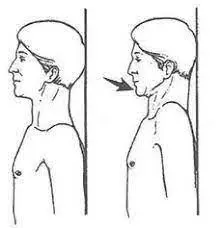
To perform a chin tuck:
- Take a relaxed stance.
- To bring your chin closer to your chest, give your head a little nod.
- When you glide or pull your chin back, concentrate on letting your jaw muscles relax.
- To return to the initial motion, relax the muscles in your neck.
Neck flexion

Your posterior neck muscles will become less tight with this workout.
- To stabilize your spine, place your arms next to your body and contract your core muscles.
- Pull the shoulder blades down and back.
- Bring your chin slowly up to your chest.
- Perform two to four repetitions.
Neck extension

Standing/Sitting Extension: Take a tall stance and face directly ahead. Lift your chin toward the ceiling and slowly lean your head back. After ten seconds of holding, switch back to neutral.
Neck side flexion

- Step 1
- Starting Position: Place your arms at your sides and stand with your feet hip-width apart, toes pointed forward or slightly outward. Pull your shoulders back and down without arching your lower back by depressing and retracting your scapulae after strengthening your abdominal muscles (also known as a “brace”) to stabilize your spine.
- Step 2
- Draw your right ear slowly toward the direction of your right shoulder, pausing when you sense a stretch. Keep your shoulders back and down to preserve proper body alignment. For five to ten seconds, hold the stretch. Return to the starting position gradually. On the left side, repeat. Do two to four repetitions in total.
- Step 3
- Exercise Variation (1): Bring your hand to the top of your head and use your fingertips to provide light pressure to increase the stretch. (2) After laterally stretching the neck, slowly raise your chin upward to stretch the sternocleidomastoid.
Go carefully and gradually through the workout. When using your hand to increase the stretch, take care not to push too hard. All that is required is a slight pressure.
Neck rotations

Rotation of the neck
This stretch will be felt along your neck’s side.
- Look over your shoulder while slowly turning your neck to the left.
- For 20 to 30 seconds, maintain this posture.
- Act on the other side.
- Repeat 2–4 times on each side.
Shoulder rolls

- With your chin slightly tucked in and your feet hip-width apart and flat on the floor, sit up straight.
- Don’t tense your arms. Your shoulders will be in full action.
- In a smooth, circular motion, roll your shoulders up, back, down, and forward.
- Then take the opposite route. In a fluid, circular motion, press your shoulders down, then back, then up, and finally forward.
- In each direction, repeat at least two to four times.
Upper trapezius stretch
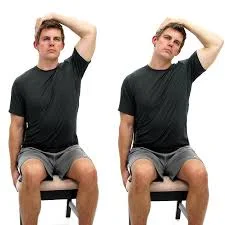
Although you can begin this series standing or sitting, it is advised to begin seated on a mat on the floor.
- Move your right ear toward your right shoulder slowly and comfortably. As you do this, your left shoulder will naturally elevate. In that case, slowly bring your head back toward the center until you are able to lower your left shoulder again.
- Place your right hand on your left cheekbone and raise it over your head. But don’t pull on your head just yet. Just place your hand there to apply a little extra pressure. This extends your upper trapezius very gently.
- Sit here for at least 30 seconds and take a breath.
- Release this side gently, then ease your left ear toward your left shoulder. Breathe deeply through the other side as you finish the stretch.
Levator scapula stretch
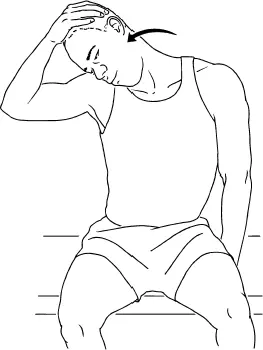
The levator scapulae stretch can be done while seated in the following manner:
- With both hands by your sides, sit up straight.
- Hold any one side of the shoulder, then apply pressure to the side you hold. Pressure should be in the downward direction.
- Before the levator scapulae muscle is stretched, this step helps extend it even further by rotating the shoulder blade downward. You can skip this step if you find that elevating the elbow over the shoulder is too difficult.
- Rotate the head 45 degrees to the left (approximately halfway toward the shoulder) while holding everything else stationary.
- Then Lower.
- The left hand can be raised to the back of the head and gently pulled down a bit more to extend the stretch even farther.
- As tolerated, hold for 30 seconds.
- Continue on the opposite side.
4 benefits of doing these exercises every day
Improve posture-Many people’s necks might become stiff from spending so much time hunched over their computers or phones, which reduces their range of motion. Before and after extended workdays, neck range-of-motion exercises can help realign and straighten the neck.
Relieve tension-Many people have a connection between headaches and neck stress. A headache may be brought on by irritation or compression of the neck’s nerves. By releasing tension in the muscles surrounding the brain, neck stretches can help reduce headache and migraine symptoms.
Improve blood flow-Your spine extends into your neck. The vertebrae in your cervical spine, in particular, have the closest connections to your spinal cord. You can promote blood flow to the brain and spinal cord, which are essential components of the neurological system, by adjusting the muscles surrounding your neck. The healthy operation of the neurological system is promoted by increased blood flow.
Increase strength-Exercises for neck mobility equipment in neck strengthening. The weight of the head and shoulders can be supported more easily by a stronger, healthier neck. Additionally, it can assist in releasing pressure from the vertebrae. Furthermore, a stronger neck can help in brain protection. According to a study, the brain was more secure from sports injuries with stronger neck muscles.
FAQs
Which is the best exercise for neck pain?
Neck exercises
Tilt your head from side to side. To improve your balance, it is preferable to perform this exercise while seated. Lead with your ear as you tilt your head down toward your shoulder.
Turn your head. To improve your balance, this exercise is best performed while seated.
chest to chin. Maintain proper posture while standing or sitting.
How to relieve neck pain in 5 minutes?
Gentle stretches like shoulder rolls, chin tucks (retracting the head), and side head tilts (ear to shoulder) can provide quick relief for neck pain in five minutes. If necessary, you can also use heat or over-the-counter pain relievers like ibuprofen. The goal is to improve mobility and release tension rather than provide a complete “cure.”
Five-Minute Neck Pain Relief Exercise
Spend one minute warming up by sitting or standing tall and slowly rolling your shoulders up to your ears, back, and down, then back again.
Chin Tucks (1 minute): Pull your chin back gently for two to three seconds, making a double chin, and then let go. Do this ten to fifteen times.
Head Tilts (1 minute): Feel a light stretch as you slowly tilt your ear toward your shoulder. Switch sides after a brief hold. Make five to ten tilts on each side.
One minute of gentle extension involves bringing your chin to your chest and feeling the back of your neck stretch. Then, slowly raise your chin to gaze at the ceiling.
Shoulder Blade Squeezes: For one minute, squeeze your shoulder blades together for 15 to 30 seconds, then let go. Do this three or four times.
Easy Ways to Feel Better Immediately
Heat: For 20 minutes, place a warm, damp cloth around your neck.
OTC Pain Relief: Acetaminophen or ibuprofen can reduce pain and inflammation.
Massage: Ask a partner for assistance or gently massage sore areas.
How to deal with cervical pain in pregnancy?
Pregnancy-related cervical (neck) pain can be managed with proper posture, mild stretches (such as shoulder rolls, neck tilts, and chin tucks), heat or cold, supportive pillows, and adjustments to activities. However, you should always consult your doctor before taking over-the-counter painkillers like acetaminophen (avoid NSAIDs) or thinking about prenatal physiotherapy for specific relief and strengthening.
At-Home Assistance & Lifestyle Modifications
Enhance Your Posture: Avoid bending your head forward, especially when using computers or phones, and maintain a straight spine and shoulders back and down.
Gentle Stretches: To relieve tension, do chin tucks, slow neck tilts from ear to shoulder, and shoulder rolls (backwards).
Heat and Cold Therapy: Apply an ice pack wrapped in cloth for 15 to 20 minutes to reduce inflammation, or use a warm compress or warm shower to relax muscles.
Supportive Pillows: If you sleep on your side, use ergonomic or memory foam pillows, or a pregnancy pillow, to support your head and neck.
Activity Modification: Avoid activities that exacerbate the pain, take breaks, and rest.
Expert Assistance & Drugs (Talk to Your Physician)
Physiotherapy: To strengthen and increase neck flexibility, a physical therapist can offer safe, focused exercises.
Chiropractic Care: Misaligned joints can be safely treated during pregnancy.
Massage: A massage during pregnancy can help ease tense muscles.
What drink helps with neck pain?
While staying hydrated and avoiding sugary drinks is important for muscle health, if you have neck pain, concentrate on drinking lots of water to keep your spinal discs hydrated and your muscles from spasming. You should also think about anti-inflammatory drinks like turmeric milk for its calming effects. In addition to anti-inflammatory foods, dietary supplements such as potassium (found in sweet potatoes and bananas) and B vitamins (found in water and bananas) can aid in muscle function and lessen spasms.
Staying Hydrated Is Essential
Water: Keeps spinal discs plump; prevents dehydration, which weakens muscles and can cause spasms. Try to consume eight or more cups each day.
Anti-Inflammatory Choices
Turmeric Milk: To take advantage of turmeric’s anti-inflammatory curcumin, combine the powder with warm milk (or water).
Herbal Teas: Teas containing chamomile or ginger can reduce inflammation and promote relaxation.
What sleeping position is best for neck pain?
The Proper Use of Pillows to Aid with Alignment
Either way, the outcome is increased pain and stiffness. Side-sleeping is acceptable as long as the cervical spine is in a neutral posture, despite the common belief that sleeping on one’s back is the healthiest for the neck.
What pressure point relieves neck pain?
Above your pinky and ring fingers, between the knuckles, is the Zhong Zu point. When this pressure point is engaged, it may stimulate several brain regions, encouraging blood flow and releasing tension. To ease tension- or stress-related neck pain, stimulate this spot.
What is the best pillow for neck pain?
The Tempur-Pedic Tempur-Neck Pillow is the best pillow for neck pain in general.
The Avocado Green Pillow is the best eco-friendly pillow for neck pain.
The Eli & Elm Side Sleeper Pillow is the best pillow for side sleepers who have neck pain.
The Osteo Cervical Pillow is the best cervical pillow for neck pain.
What is the role of hormones in neck pain?
Muscle and joint flexibility can be affected by hormonal factors, especially changes in estrogen levels during menstruation, pregnancy, and menopause, which raises the risk of neck pain. Women are more likely than men to experience neck pain, which is also influenced by specific lifestyle choices and work-related risks.
How to cure cervical pain fast at home?
The neck portion of your spinal column, or backbone, is called your cervical spine. Your first seven bones (C1–C7) make up this group. The intervertebral disks, spinal cord, nerves, muscles, tendons, and ligaments are additional structures in or surrounding your cervical spine.
What vitamins help with neck pain?
Omega-3 fatty acids are your body’s superheroes when it comes to reducing inflammation. These tiny powerhouses, which are present in fish oil supplements, have been connected to decreased inflammation, which may help ease back and neck pain.
How fast can neck pain go away?
Muscle strain or tension-related neck pain usually resolves on its own in a few days. Exercise, stretching, physical therapy, and massage are frequently effective treatments for neck pain that lasts more than a few weeks. To relieve neck pain, you may occasionally require steroid injections or even surgery.
References
- Chin Tucks ET. (n.d.). [Video]. Hingehealth. https://www.hingehealth.com/gb/en/resources/articles/chin-tucks/
- Cronkleton, E. (2019, September 9). What is neck flexion? Plus exercises for improving your range of motion. Healthline. https://www.healthline.com/health/neck-flexion#flexion-exercises
- Meyler, Z., DO. (2018, September 10). Easy Levator scapulae stretch for neck pain. Spine-health. https://www.spine-health.com/wellness/exercise/easy-levator-scapulae-stretch-neck-pain
- Neck exercises | Lateral neck flexion. (n.d.). https://www.acefitness.org/resources/everyone/exercise-library/202/lateral-neck-flexion/?srsltid=AfmBOorB-40SMd7p49G5eciqmciE8UtZCPHXyi9wxjejVwemjNN2UAnG
- Neck Exercises provided by Michael Rohan Spine. (n.d.). https://michaelrohanspine.com/educational_resources/neck_exercises.html
- Shoulder Rolls | NYP. (n.d.). NewYork-Presbyterian. https://www.nyp.org/healthlibrary/multimedia/shoulder-rolls
- Stelter, G. (2018, September 29). Stretches to loosen your trapezius muscles. Healthline. https://www.healthline.com/health/fitness-exercise/trapezius-stretches#ear-to-shoulder
- Grogan, J. (2025, February 20). Neck Range-of-Motion Exercises | Neck Pain | Armor PT. Alliance Physical Therapy Partners. https://armorpt.com/4-benefits-of-doing-neck-range-of-motion-exercises-daily/