
12 Simple Desk Job Stretches
Introduction
Your body might suffer from prolonged desk work, which can cause stiffness, exhaustion, and even chronic pain if ignored. In order to offset these effects and improve circulation, posture, and general well-being throughout the workday, simple desk job stretches provide a useful and efficient solution.
These stretches don’t require any specific equipment or clothing changes and are made to be quick and simple to practice at your desk. Including these exercises in your daily routine can help you stay pain-free, focused, and energised, whether you’re reducing pressure in your legs and lower back, exercising your core, or releasing tension in your neck and shoulders.
Indications
- Pain in the neck and shoulders: caused by hunching or forward head posture.
- Lower back pain: Prolonged sitting and weak abdominal or core muscles might cause lower back pain.
- Carpal tunnel syndrome: This condition is caused by prolonged mouse or keyboard use.
- Tennis elbow: Overuse of the wrist and forearm muscles can result in tennis elbow or other muscle pain.
- Poor posture development: Long-term neck position might result in rounded shoulders or forward head posture.
- Calf and hamstring muscles tightness: extended sitting decreased knee and hip range of motion.
- Obesity (weight gain): decreased mobility throughout the body.
- Deep vein thrombosis: This is a condition of the calf muscles. Joint immobility is the cause of deep vein thrombosis.
- Stress and Anxiety: Workload and inadequate ergonomics can cause stress and anxiety.
Contraindications
- Restricted range of motion at the joint because of a bony obstruction
- immediately following a fracture that hasn’t fully healed
- Acute infection or inflammation
- Sharp discomfort when moving a joint
- Soft tissue trauma, such as a hematoma
- Extreme mobility
Simple Desk Job Stretches
Neck stretch

- Position: Standing or sitting position.
- Try to touch your right shoulder with your ear while gently tilting your head in that direction. When you sense the stretch, stop. Keep your shoulders down.
- Return to the starting position. On your left side, repeat.
- Place the hand on the same side as your tilted head on top of your head and apply light pressure with your fingertips for more stretch.
- The hold time is between five and ten seconds.
- Ten to fifteen repetitions per session are recommended.
Chest Opener (Clasp hand behind stretch)
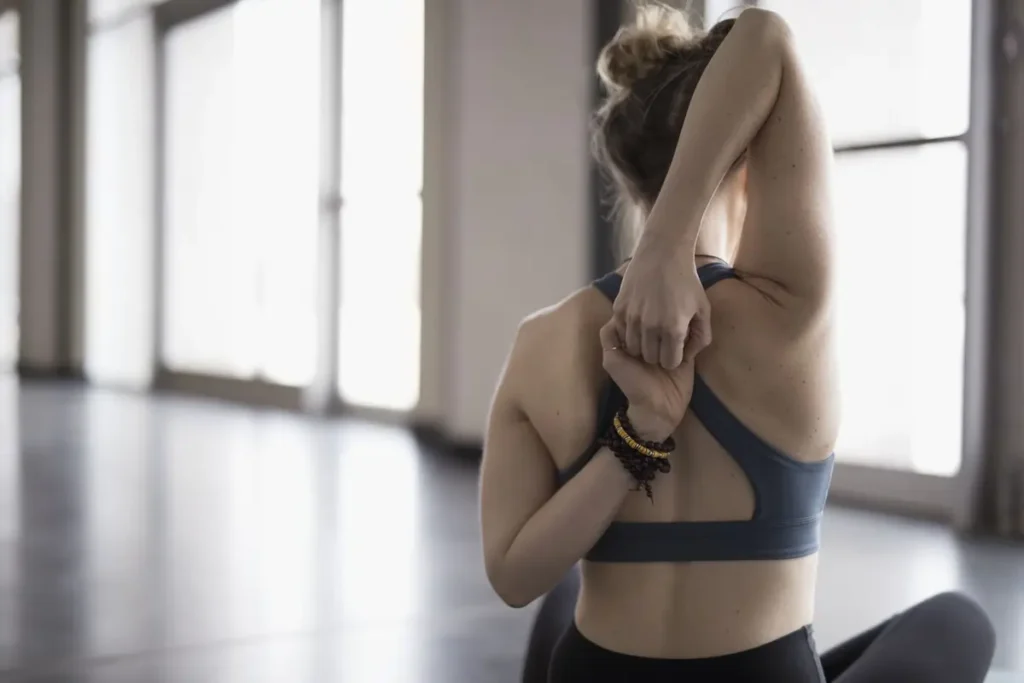
- Position: sitting or standing position.
- Draw your knuckles down toward the floor and interlace your fingers behind your back to straighten your arms. Place your hands hip-width apart on a strap or towel (or wider if necessary) if you have trouble clasping your hands or if you can’t straighten your arms.
- Taking your hands off your butt should cause your shoulders to stretch.
- The hold time is between five and ten seconds.
- Ten to fifteen repetitions per session are recommended.
Shoulder rolls

- Position: Sitting or standing position.
- You should begin standing with your feet flat on the ground. Make sure your feet are shoulder-width apart.
- Turn your hands toward one another while keeping your arms by your sides. Bend over and pick up the weights if you’re using them for the exercise.
- Your knees should be slightly bent to meet your toes, not beyond them. Keep your neck straight and your chin high, staring directly ahead.
- Raise your shoulders as close to your ears as you can during the inhale. To feel the resistance of your muscles, perform the exercise slowly.
- The hold time is between five and ten seconds.
- Ten to fifteen repetitions per session are recommended.
Seated Spinal Twist

- Position: Sitting position.
- With your hands on your thighs and your legs out in front of you, take an upright position on your mat.
- Place your foot next to your left thigh after bending your right knee and crossing your right leg over. It should feel like you are sitting with your legs partly crossed.
- Place your left ankle adjacent to your right glute while bending your left knee. To keep your hips even, square them. Gently twist your body to the right while placing your fingertips on the floor and reaching your right arm behind you. Lift up your left arm.
- Wrap your left arm around your right knee, which is bent. As you continue to twist to the right, take a deep breath and release it. Twist your body more with each exhalation. Repeat on the opposite side after gently releasing from the position.
- The hold time is between five and ten seconds.
- Ten to fifteen repetitions per session are recommended.
Hip flexor stretch

- Position: Kneeling Position.
- Press your palms against the mat while bending forward. To keep them from locking, place your hands shoulder-width apart and bend your elbows slightly.
- To create a 90-degree angle, lay your left foot flat on the mat in front of you and bring your left knee forward through the space between your arms.
- For balance and support, lay both hands on your left knee in front of you while straightening your upper body.
- Stretch your right leg out behind you. The top of your right foot should rest on the mat, and your right knee should be pressed into it.
- The stretch can be made deeper by bending forward a little.
- The hold time is between five and ten seconds.
- Ten to fifteen repetitions per session are recommended.
Chest Expansion stretch

- Position: Standing position.
- The workout often entails pulling a cable or resistance band apart in front of the chest. By strengthening the muscles in the chest and upper back, this exercise helps to improve posture and shoulder mobility. It’s an excellent exercise to increase muscle activation and give variation to your chest training.
- Clasp your hands behind your back while standing erect with your feet shoulder-width apart.
- Raise your hands upwards and extend your arms till your chest feels comfortable.
- The hold time is between five and ten seconds.
- Ten to fifteen repetitions per session are recommended.
Wrist flexors stretch

- Position: Sitting position or standing position.
- With the palm facing up, hold out one arm straight in front of you.
- Gently draw the fingers of your other hand down toward the floor.
- Keep the elbow fully extended while doing the same action for a deeper stretch (with the elbow extended).
- The entire length of the wrist flexor muscles is the focus of this version.
- The hold time is between five and ten seconds.
- Ten to fifteen repetitions per session are recommended.
Wrist extensors stretch

- Position: Sitting or standing.
- To begin, place your arms at your sides and stand or sit with your back straight.
- With your palm facing down, extend your right arm in front of you.
- Pull your right hand slowly back towards your wrist with your left hand until your forearm starts to extend.
- Pull your left hand gently back towards your wrist with your right hand after extending your left arm out in front of you with the palm facing down.
- The hold time is between five and ten seconds.
- Ten to fifteen repetitions per session are recommended.
Cross-Body shoulder stretch

- Position: Standing position.
- Raise your right arm to just below shoulder height while keeping your feet a bit less than shoulder-width apart.
- Using your left hand to support your arm, place it on your right elbow and use it to gradually move your right arm across your body.
- The hold time is between five and ten seconds.
- Ten to fifteen repetitions per session are recommended.
Toe-Touch stretch

- Position: Standing position.
- Place your feet hip-width apart and stand naturally.
- Slide your arms toward your feet by moving your hips a little backwards and down your thighs and shins.
- Lower yourself to a point of slight discomfort while maintaining a straight back.
- The hold time is between five and ten seconds.
- Ten to fifteen repetitions per session are recommended.
Shoulder blade squeeze
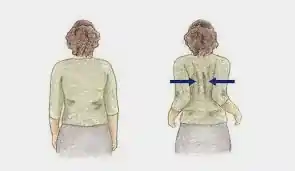
- Position: Sitting or standing position.
- Start by resting your elbows at your sides with them bent at a 90-degree angle.
- Squeeze your shoulder blades together and push your elbows and shoulders back.
- Return to your initial stance after letting your shoulders drop.
- The hold time is between five and ten seconds.
- Ten to fifteen repetitions per session are recommended.
Ankle circles
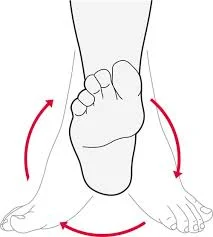
- Position: Standing, sitting, or supine position.
- With your arms by your sides and your feet hip-width apart, take an erect stance. Point your left toes down into the ground while shifting your weight to your right leg.
- Make tiny circles with your ankles as you begin to rotate your left foot. Do the exercise again using your right foot.
- The hold time is between five and ten seconds.
- Ten to fifteen repetitions per session are recommended.
Role of Physiotherapy for stretching
Whether the goal is performance improvement, injury prevention, or rehabilitation, physiotherapy is essential to the safe and efficient use of stretching exercises. Stretching in physiotherapy is a targeted technique intended to restore optimal muscle length, enhance joint range of motion, and rebalance neuromuscular function. It goes beyond simply improving flexibility. Depending on the patient’s condition, objectives, and limits, physiotherapists evaluate each patient’s needs and recommend particular stretching techniques, such as static, dynamic, or proprioceptive neuromuscular facilitation (PNF).
Stretching aids in pain relief, muscular stiffness reduction, and the avoidance of restricting scar tissue formation after injury. Additionally, it increases circulation, which lowers inflammation and promotes healing. Stretching under the guidance of physiotherapy can reduce stress, improve posture, and reestablish functional movement patterns in those with chronic diseases like arthritis or postural imbalances caused by desk work. Crucially, physiotherapists make sure that stretches are done safely, preventing conditions like hypermobility, fractures, or acute inflammation.
Physiotherapy enables people to restore mobility, avoid more injuries, and preserve long-term musculoskeletal health by including stretching in a more comprehensive treatment plan. I can assist you in creating an organised stretching program that is suited to particular demographics or ergonomic requirements, if you’d like.
The Rhythm and Endurance of Static Stretching
The number of times the stretch is performed in a week is more important for observing improvement than the length of time the stretch is held. It is crucial to remember that every muscle should only be stretched once and held for five minutes, which can be divided into ten 30-second workouts or five one-minute activities.
According to some research, stretching for longer than three weeks can help reduce stiffness and increase range of motion (two to eight-minute stretches help increase range of motion, while ten-minute stretches help restore normal range of motion). The more we stretch each week, the better the results.
It is advised that people whose primary goal is overall fitness perform static stretching at least twice a week, holding the position for at least 15 seconds before moving on to dynamic stretching.
Static stretching should be done for a longer period of time for older folks to see results. For instance, a sixty-second hold stretch increased range of motion by two degrees every week, whereas a thirty-second hold stretch increased range of motion by one degree.
Principles of stretching
- Alignment: The patient must be in a comfortable position where the stretch force is applied to the targeted muscle.
- Stabilisation: The muscle’s bony section that will be stretched needs to be properly secured.
- Intensity: The amount of strain that is exerted.
- Duration: The total amount of time needed to apply the stretch.
- Speed: The pace of applying the initial stretch.
- Frequency: The total number of daily or weekly stretching sessions.
- Stretch Mode: This is the kind of stretch. Static, ballistic, or cyclic; the client’s level of involvement (passive or active); and the stretch’s origin (self, mechanical, or manual)
Advantages of stretching
- Increases Flexibility: As you get older, it becomes increasingly crucial to be able to move freely and comfortably.
- Enhances Range of Motion: Assists joints in moving over their whole range, lowering the risk of injury and stiffness.
- Increases Circulation: Encourages blood flow to muscles, which facilitates the healing process and lessens post-activity discomfort.
- Promotes Better Posture: This helps reduce musculoskeletal pain by promoting good alignment and correcting muscular imbalances.
- Lessens Back Pain: Releases tense muscles that cause pain and strain, particularly in the lower back.
- Prevents Injury: Maintaining long, flexible muscles lowers the risk of strains during abrupt motions.
- Reduces Stress or anxiety: This relieves the strain that has been built up in the muscles, particularly in the back, shoulders, and neck.
- Enhances Mood and Focus: Stretching and mindful breathing together can improve emotional equilibrium and mental clarity.
- Eases Headaches: This helps prevent or minimise tension headaches by reducing tension in the base of the skull and neck.
- Developed Muscle power or strength: Dynamic stretching prior to exercise can enhance performance and lower the chance of injury.
- Accelerated Recovery: Stretching after a workout speeds up muscle recovery and lessens delayed onset muscle soreness (DOMS).
Prevention while stretching
- Start with warming up: Warm muscles are easier to stretch. Your body can be prepared with a little exercise, such as five minutes of arm swings or marching in place.
- Never Extend Yourself to Feel Pain: Only stretch till you feel a little tense. Stop right away and adjust your position if it aches.
- Keep Your Posture Correct: Gains in flexibility are enhanced, and strain is decreased with proper alignment. Twisting or slouching can cause harm.
- Naturally Breathe: Avoid holding your breath; steady breathing promotes muscle relaxation and safely deepens the stretch.
- Avoid intense stretches right after waking up: Overnight, your spine stores fluid, which increases its susceptibility. Before doing heavy stretches, ease into movement.
- While Stretches maintain hold properly, 15 to 30 seconds is the recommended duration for static stretches. Avoid staying in intensive positions for extended periods of time, as this can cause muscles to receive less oxygen.
- Focus on Tight Muscles Initially: Prior to beginning more complex routines, identify tense regions and gently stretch them.
- Stretch Frequently Without Being Forceful: More important than intensity is consistency. Over time, stretching twice or three times a week (or every day) produces better outcomes.
- Exercise Extra Caution While Rehabbing from an Injury: When recovering or healing from an injury, you should avoid vigorous or deep stretches. Consult an expert and begin with mild movements.
FAQs
Which four layers make up the neck?
The investing layer, pretracheal layer, and prevertebral layer—also referred to as the exterior, middle, and deep layers, respectively—are the three divisions of the deep cervical fascia of the neck that can be made using this classification scheme. The muscular and visceral divisions are further differentiated into the pretracheal, or middle layer.
Which glands are found in the throat?
The parathyroid glands in your body
The thyroid gland, which controls metabolism, and the four pea-sized parathyroid glands, which are situated behind the thyroid and regulate calcium levels, are the two main glands in the neck. Salivary glands, such as the parotid glands, which are situated close to the jaw and create saliva, and lymph nodes, which filter waste and combat infection, are additional crucial structures in the neck area.
General stretching: what is it?
Stretching: Home physio exercises
Stretching is a physical activity that involves positioning a body part in a specific way to help the muscle or muscle group lengthen and elongate, increasing its suppleness and flexibility. Consequences of stretching. Increases flexibility, postponing age-related declines in movement.
Which five advantages does stretching bring?
Increased flexibility may: Boost your physical activity performance.
Reduce your chance of getting hurt.
Boost blood flow to the muscles.
Give your muscles the best opportunity to function.
Boost your capacity to perform everyday tasks.
PNF stretching: what is it?
Facilitation of Proprioceptive Neuromuscular Function (PNF) Extending…
Proprioceptive neuromuscular facilitation, or PNF stretching, is a sophisticated, aided stretching method that enhances range of motion (ROM) and flexibility by combining passive stretching and muscle contraction with a partner. By using the body’s neuromuscular reflexes to tense a muscle against resistance for a few seconds and then relax it into a deeper passive stretch, it increases flexibility more than static stretching alone.
Is holding necessary while stretching a muscle?
Generally speaking, holding a stretch while exercising is required, particularly for static stretching regimens meant to increase joint mobility and flexibility. A stretch that is sustained for a certain amount of time—usually 15 to 60 seconds—allows the surrounding connective tissues and muscle fibres to gradually lengthen, improving range of motion and easing tension in the muscles. Additionally, by allowing the nervous system to adjust, this prolonged position lessens involuntary resistance and helps the body identify the stretch as safe. When performed properly, holding a stretch can improve circulation, aid in recuperation, and ward off injuries. To optimise safety and efficacy, it’s crucial to avoid pushing into pain or overstretching, and to always make sure the muscles are warmed up beforehand.
What is the common condition that occurs while doing a desk job?
Desk occupations are handy and intellectually stimulating, but because they require repetitive work and prolonged sitting, they can cause a variety of physical and mental health issues. Chronic back pain and spinal strain, particularly in the lumbar area, are common problems caused by bad posture and insufficient chair support. Forward head posture and screen-focused work are common causes of neck and shoulder pain, which can occasionally result in tension headaches. Additionally, being sedentary increases the risk of cardiovascular issues like high blood pressure and raised cholesterol by causing weight gain and metabolic slowness. Leg circulation issues can result in varicose veins or, in extreme situations, deep vein thrombosis.
Refrences
- Watson, K. (2019, June 18). Benefits of shoulder shrugs and how to do them. Healthline. https://www.healthline.com/health/fitness-exercise/shoulder-shrugs#how-to
- Scapular squeezes. (n.d.). [Video]. Hingehealth. https://en-gb.hingehealth.com/resources/articles/scapular-squeezes/
- Lindberg, S. (2020, January 10). 10 Shoulder mobility exercises and stretches. Healthline. https://www.healthline.com/health/shoulder-mobility-exercises#stretches
- Neck stretches for pain relief: How to stretch your neck. (2024, June 30). WebMD. https://www.webmd.com/fitness-exercise/fitness-neck-stretches
- Muinos, L. (2024, January 4). 7 Essential hip flexor Stretches. Verywell Fit. https://www.verywellfit.com/7-best-hip-flexor-stretches-5088569
- Daisy. (2021a, June 8). Ankle Circles | Illustrated Exercise guide. SPOTEBI. https://spotebi.com/exercise-guide/ankle-circles/
- Lift Manual. (2023, April 24). Wrist Extensor Stretch – Guide, benefits, and form. https://liftmanual.com/wrist-extensor-stretch/
- Prajapati, D. (2025, September 18). Clasp hands behind back stretch – home physiotherapy. Physiotherapy Treatment and Exercises at Home. https://homephysiotherapyexercises.com/clasp-hands-behind-back-stretch/