Ustrasana (Camel Pose)
What is Ustrasana (Camel Pose)?
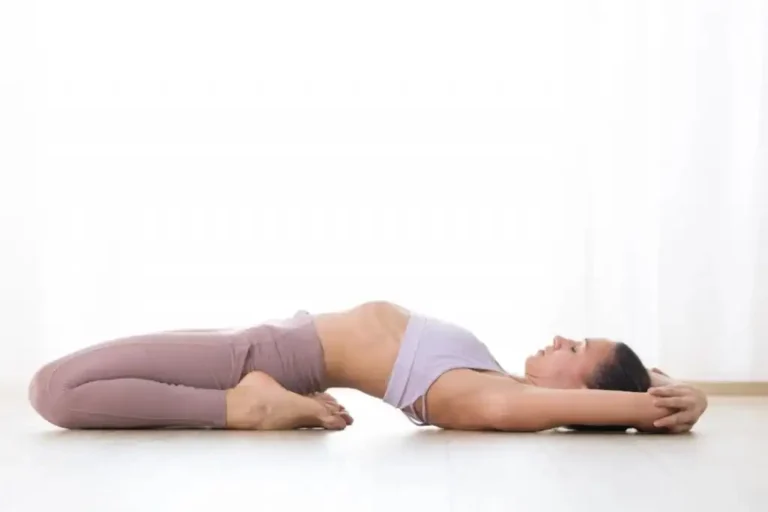
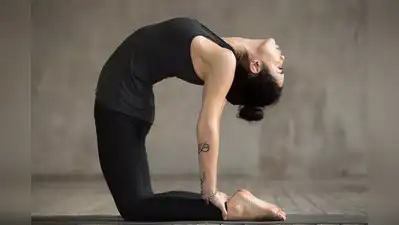
Ustrasana (Camel Pose) is a deep backbend yoga posture that stretches the entire front body, including the chest, abdomen, and quadriceps, while strengthening the back muscles. It improves spinal flexibility, opens the heart, and enhances posture.
This pose, which tilts backward and arches inward, stresses the thighs and the entire back. Camel position (Ustrasana), an intermediate-level yoga practice, is a type of backbend.
Ustrasana is a deep, heart-opening stretch that eliminates leaning back and lower back pain.
Muscles work during Ustrasana (Camel Pose):
- Abdominal muscles
- Back muscles
- Neck muscles
- Hip flexors
- Quadriceps
Ustrasana (Camel Pose) Video
How to Perform Ustrasana (Camel Pose)?
- Kneel on the yoga mat, hands on your hips.
- The soles of your feet should be toward the ceiling, and your knees should be parallel to your shoulders.
- As you inhale, drag your tailbone towards your pubis, as if it were being pulled from your navel.
- At the same time, move your hands over your feet until your arms are straight and arch your back.
- You should not flex or strain your neck; instead, keep it in a neutral position.
- Hold this position for a few breaths.
- Exhale, then slowly return to the starting position. Pull your hands back to your hips as you stand up straight.
Benefits of Ustrasana (Camel Pose):
- The Camel Pose opens up your chest and lungs.
- By simultaneously supporting your front and back muscles, camel pose lengthens your spine.
- It makes your core stronger. Your spine and ribs are also stretched and stabilized in Camel Pose by the diaphragm, your side abdominal muscles, and the muscles between your ribs.
- The more you do backbends, the better you’ll become at camel posture, which requires stability and balance.
- It enhances your spinal flexibility and posture.
- This posture can help you better manage your emotions.
Contraindications or Precautions of Ustrasana (Camel Pose):
- When performing yoga poses, you should be aware of your physical limitations. Avoid overstretching when performing ustrasana since this might cause discomfort and injuries.
- If you have recently had severe physical harm to your knees, thighs, core, feet, shoulder, or spine, avoid doing the camel posture.
- The ustrasana steps should be performed gradually. If you don’t follow the steps correctly, you could get hurt.
- Avoid this stance if you suffer from headaches, blood pressure fluctuations, or sleeplessness. The head and neck tilting in this pose could be harmful in certain circumstances. Therefore, before doing anything, it is recommended to consult an expert.
Variations:
Half Camel Pose with Head Up

- Open your chest and assume the camel stance. Inhale slowly, lift one arm, and attempt to extend your complete upper body in the direction of the ceiling.
- Now exhale deeply, stretch your body, and attempt to look upward.
- Make sure your second arm is firmly supporting one of your ankles by tightening your hips and core.
Half Camel Pose with Raised Toe
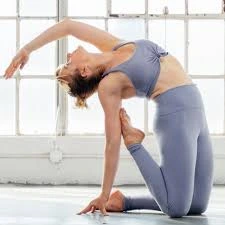
- Once you have increased your strength in the preceding head-up variety, continue flexing in the same position for a few seconds.
- Take a breath and grasp the toes of one leg to raise it.
- For a few seconds, keep the toes in your palms while continuing to breathe gently and steadily.
- Simply place the palm on the floor and release the hand that is clutching the toe.
- If you feel strong, support the same leg with your arm back on the floor, such that your toe is pointed upward.
Camel Pose with Eagle Arms
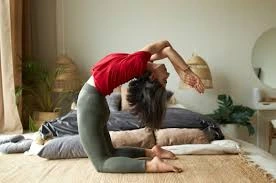
- Simply assume the complete camel stance and gradually relax your arms.
- Take a deep breath and form an Eagle with both arms clasped together.
- Lean back and hold for a few seconds, allowing your lower back and front thighs to stretch more profoundly.
- Because your hands aren’t used for additional support—from the ground or any props—this version calls for a lot of lower back strength.
- Therefore, only attempt this version if you are sufficiently sure to do all other camel variations flawlessly.
How to Progress Ustrasana (Camel Pose):
Salamba Bhujangasana (Sphinx Pose): A mild backbend when you raise your chest while lying on your stomach with your forearms resting on the floor.
Bhujangasana (Cobra Pose): Your backbend becomes softer and more reclining while the front of your body is expanded.
Salabhasana (Locust Pose): A backbending, prone position in which you lie on your stomach, raise your lower legs off the ground, and raise your arms straight behind you.
Anjaneyasa (Low Lunge Pose): A position that enables you to raise your arms in the air and bend backward.
Common Mistakes:
- Take your time getting into Camel Pose. To prevent discomfort, distress, or injury, avoid entering the posture before developing the requisite flexibility.
- Some common mistakes people make when practicing Camel Pose include not stretching their spine before going into a backbend and pressing their hips forward with their hands rather than using their glutes.
- The shoulders are squeezed forward.
- A neck that is too arched.
- Not using the muscles in the core.
- Instability and discomfort can result from knees that are too near or too far apart.
- Injury can result from rushing into camel pose without the right warm-up and planning.
FAQs
What is the meaning of Camel Pose?
The camel position’s significance originates from the phenomenal backbend that extends the entire front of the body and opens the chest, representing heart opening and emotional outpouring. One of the most powerful representations of strength, endurance, and determination is the camel.
Why is Camel Pose so difficult?
Camel Pose takes an immense level of confidence and trust. Leaning back into something without being able to see or know what’s there behind us can feel risky. We must have faith that we won’t fall and that our upper back and shoulder blades will hold the backbend.
Who should avoid Camel Pose?
If you have any pain or injury in your ankles, knees, calves, thighs, back, shoulders, or neck, you should avoid this pose. People should take precautions, whether their blood pressure is high or low.
What are the benefits of Camel Pose?
Lessens thigh fat.
Strengthens and stretches the back and shoulders.
Improves digestion and excretion by expanding the abdominal area.
Enhances posture.
Improves breathing by opening the chest.
Reduces pain in the lower back.
Which disease is cured by Ustrasana?
Ustrasana does not “cure” diseases directly; rather, it helps control and relieve the symptoms of a number of lifestyle-related ailments. It is particularly helpful for digestive disorders, anxiety, moderate spinal diseases, and respiratory conditions, including asthma.
References:
- Ustrasana (Camel Pose). (n.d.). MyYogaTeacher. https://myyogateacher.com/yoga-asana/ustrasana
- Lift Manual. (2023, April 24). Camel Pose – guide, benefits, and form. https://liftmanual.com/camel-pose/
- The Art of Living. (2022, November 3). Camel Pose (Ustrasana). Art Of Living (India). https://www.artofliving.org/in-bn/node/302189
- Hoffower, H. (1970, January 1). A Step-By-Step Guide on how to do camel pose (Plus 3 modifications). https://www.onepeloton.com/blog/camel-pose
- Team, T. A. (2024, January 16). Best reclining yoga poses. https://www.tataaig.com/knowledge-center/health-insurance/health-benefits-of-ustrasana