
Bhairavasana (Formidable Pose)
What is Bhairavasana?
Bhairavasana is a challenging form of Vasisthasana, which intensely expands the hips while balancing the body on one hand and leg on the floor. It is a posture from Ashtanga yoga’s third series.
This posture involves side-bending and twisting of the body, expanding the arms, core, hamstrings, thighs, and hips. Along with expanding the hips, it offers a gateway towards great power and mental peace.
Meaning:
Bhairavasana has been called after Lord Shiva’s ferocious manifestation, known as Bhairav, who is connected with annihilation. Bhairav is known to demolish everything wicked in nature; similarly, it eliminates all the negative forces, including illusions, fears, ignorance, ego, attachment, bad habits, and everything that hampers true bliss.
Due to the annihilation principles of Bhairav, he is renowned as the destroyer of the Universe for enabling new creations. Hence, this stance is translated as the Destroyer Of The Universe stance. It is known as Kala Bhairavasana in Iyengar Yoga.
Muscle Work During Bhairavasana:
- Biceps and Triceps Muscles
- Core Muscles
- Hip Muscles
- Hamstring Muscle
How to Perform?
- Start by stretching your legs in front of you while sitting in staff position.
- Grab the foot with your left hand while bending your right leg at the knee.
- Bring your right elbow under your right knee and raise the right knee a bit farther upwards.
- Holding the right calf with the right hand, place the right knee behind the right shoulder.
- Draw your right foot above your head while slightly rotating your right hip.
- To position the right ankle behind the head, thrust the torso forward even more.
- Take a deep breath, stretch your spine, and place your left foot and right hand on the ground to perform a side plank on your right side.
- In order to align the body diagonally from the left heel to the crown, raise the left arm.
- Turn your head up and glance towards the left hand.
- Hold this stance for three to six deep breaths.
- Come out of the position by lowering the body, dipping the head forward, and pressing the abdomen in to release the right leg. Repeat it on the left side as well.
Benefits:
Increases the flexibility of the spine:
By lengthening the spine, practicing Bhairavasana makes the back muscles more flexible and supple. The spine gets robust and prevents any chances of becoming damaged or wounded.
Strengthens the leg muscles:
It include flexing the knees and ankles while stimulating the arches and toes. It stretches the leg muscles and gives blood and nutrients to the cells. Thus, enhances leg strength and flexibility.
Stimulates hip flexors:
Since bhairavasana is an intense hip opener, it stretches the hip flexors, and the internal rotation of the hips during the pose focuses on them. It releases all of the built-up tension and increases hip mobility.
Enhances digestion:
The abdominals are also stretched and massaged while holding this posture. It helps maintain a healthy digestive system by toning the abdominal organs. Thus, it tones the abdominal muscles and keeps digestive diseases at bay.
Stretches the oblique muscles:
The torso is bent sideways to achieve this stance, which greatly stretches the oblique muscles. It strengthens the endurance of certain muscles, keeps the body toned and in good condition.
Soothes the nervous system:
Holding Bhairavasana creates a sense of surrender and acceptance. By offering the sensation of acceptance, it saves one from jealousy, rage, and dissatisfaction. Hence, it gives an opportunity to alleviate the stress and exhaustion, relaxes the mind, and brings internal serenity.
Therapeutic Benefits:
- People with high blood pressure, if they practise this stance, experience relaxing effects.
- Bhairavasana can be a blessing if you are having trouble falling asleep because it treats insomnia.
- The respiratory system is raised, and the chest is opened in this difficult posture. It even helps to open the nasal canal and cure sinusitis.
- Bhairavasana also stimulates the ovaries and uterus, so it functions as a therapy for infertility.
- Menstrual discomforts, like irritation, leg and abdominal cramps, are relieved by practicing this pose.
- Improving the circulation of blood and oxygen, this position assists the brain by alleviating anxiety, tension, and mental exhaustion.
Preparatory Pose:
Utkata Konasana (Goddess Pose): This pose is also known as the Fierce Angle Pose, and it’s a powerful intermediate standing yoga pose. To open the muscles in the hips, chest, inner thighs, and groin, incorporate the Goddess Pose into the Bhairavasana warm-up phase. Plus, frequent practice of this pose will also assist in correcting body posture and sculpting your inner thighs.
Phalakasana (Plank Pose): In this stance, the body is held in a plank-like position, thin and long. The muscles of the core and shoulders are particularly emphasized in Plank Pose, making it simpler to find your core and arm balance in Kala Bhairavasana.
Malasana (Yogi Squat): You must stretch your groin muscles and flex deeply throughout the Formidable Pose exercise. Many yoga practitioners (particularly guys) feel incredibly tight around the groin area; consequently, Malasana is an ideal position to increase blood circulation and muscle flexibility around those areas.
Camatkarasana Variation (Wild Things Pose Knee to Floor Variation): If you are just a beginner, the reclining one-legged Bhairavasana will challenge your balance and could be tough for the core. So, it’s ideal to warm up in Wild Thing Pose with a variant of keeping one leg on the ground.
Variations:
Supta Bhairavasana:
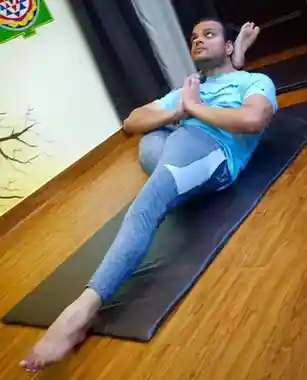
- This is an easy Formidable Pose reclined version that thoroughly stretches the legs and hips. One leg is raised and positioned under the arm on the same side, then around the back of the neck, beginning in Dandasana (sitting with both legs straight).
- In the centre of your chest, place your hands in a prayer position. The body reclines, and the Drishti (look) is directed towards the sky for the complete performance of the pose.
- Because this position variation is performed lying on the ground, it’s perfect for usage in restorative yoga sessions, where you may maintain the pose for more than 5 to 10 minutes and relax your muscles fully.
Contraindications:
- Avoid if you have any injuries to your lower back, spine, hips, knee, neck, wrists, or shoulders.
- If you have heart problems or excessive blood pressure, don’t practise.
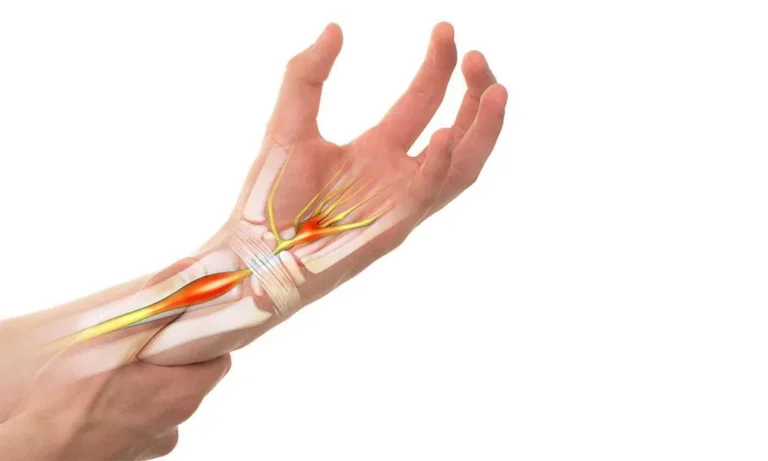
- Avoid if you have carpal tunnel syndrome, sciatica, hernias, slipped discs, or neck pain.
- Avoid during menstruation and pregnancy.
Things to Remember:
Pay attention to your breathing: This is a hard yoga asana; therefore, it is vital to be attentive to your breathing. If a new yogi is not aware of the right breathing method, there’s a significant probability that they won’t be able to balance this pose. The more mindful you are of breathing the right way, the sooner you’ll be able to balance.
Avoid overstretching, because it can result in needless strain on the muscles. Therefore, if keeping this posture on one leg and one arm makes your body uncomfortable (particularly around the neck and groin), relax right away and cease practicing there.
Conclusion:
Practice this classic and seemingly impossible stance and make yourself open to all the trials. Also, on successful completion of bhairavasana, you will build an attitude of overcoming all the problems, be it a combat of overcoming negative emotions.
Even after setting the various physical benefits aside, the psychological benefits make Bhairavasana a must-do pose.
FAQs
What is Bhairavasana?
Bhairavasana is a more advanced variant of Vasisthasana (Side Plank), in which the hips are expanded fully as your body is balanced on one hand and with one leg on the floor. The stance is named after the wrath incarnation of Lord Shiva, known as Kala Bhairav.
How to perform Kala Bhairavasana?
Here is a list of the steps required to accomplish Kala Bhairavasana:
In Dandasana, take a seat on the ground.
Lift one of the legs and position the leg behind your neck using both hands.
When you’re comfortable, raise yourself off the ground with both hands and adopt a plank position.
Now, pull one arm up and keep your gaze and your face positioned sideways.
Breathe continuously while holding the stance until you feel comfortable.
Lastly, exhale to release it and return to the Dandasana position.
What are the benefits of the Bhairavasana?
The following are some health benefits of the Bhairavasana:
Improves breath awareness.
improves the operation of the digestive system.
Keep the hip joints and muscles flexible.
Relieves mental tiredness, tension, and anxiety.
strengthens the arms, legs, and core.
enhances posture and lessens stiffness in the muscles after extended sitting.
Improves muscular flexibility around the side abdomen, making the side waist smaller.
Can beginners perform Bhairavasana?
It is not recommended for beginners to practice Bhairavasana until they have a strong core and excellent leg flexibility. Therefore, before attempting this difficult “Destroyer of the Universe Pose,” it is advisable to properly prepare your body under the instruction of your yoga teacher to reduce the likelihood of any injuries.
Can Bhairavasana improve posture?
To open the muscles in the hips, chest, inner thighs, and groin, incorporate the Goddess Pose into the Bhairavasana warm-up phase. Plus, frequent practice of this pose will also assist in correcting body posture and sculpting your inner thighs.
What are the contraindications for Bhairavasana?
Avoid if you have any injuries to your lower back, spine, hips, knee, neck, wrists, or shoulders.
If you have heart problems or excessive blood pressure, don’t practise.
Avoid if you have carpal tunnel syndrome, sciatica, hernias, slipped discs, or neck pain.
Avoid during menstruation and pregnancy.
How long should you hold Bhairavasana?
After a short period of rest, repeat with the left leg. Beginner’s Performance Duration: Hold Bhairavasana on each side for 10 to 20 seconds.
References:
- Allen, W. (2025e, August 26). Bhairavasana. https://myyogateacher.com/yoga-asana/bhairavasana
- Bhairavasana (Pose Dedicated to Lord Shiva): How to Do, Benefits – Fitsri Yoga. https://www.fitsri.com/poses/bhairavasana
- Asana, A. Y. (2025a, March 31). Bhairavasana (Formidable Pose) – Steps & Benefits. Yoga Poses and Asanas. https://yoga.in/asanas/library/bhairavasana/
- Formidable Pose Yoga Pose (Bhairavasana Pose). Tummee. https://www.tummee.com/yoga-poses/Bhairavasana