Bird of Paradise Pose (Svarga Dvijasana)
What is Bird of Paradise Pose?
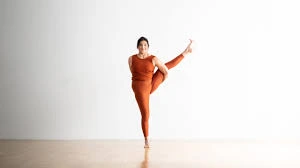
Bird of Paradise Pose (Svarga Dvijasana) is an advanced standing yoga posture that combines balance, flexibility, and strength. It deeply stretches the hamstrings, hips, and shoulders while improving stability, focus, and body awareness. This pose also helps build confidence and coordination through controlled movement and mindful breathing.
This pose is a great way to open your chest and hips because it involves standing and stretching at the same time. By extending your hamstrings and groin, this position works well to target the area surrounding the hip and pelvis.
Learn more about the purpose of the position, its advantages, and how to execute it by continuing to read.
Muscle Work During Bird of Paradise Pose:
- Biceps and Triceps Muscles
- Hamstrings Muscle
- Hips Muscle
- Quadriceps Muscle
How to Perform?:
- Get into the bound side angle stance first. To make things easier to understand, let’s assume that you are gazing over your left shoulder, your left leg is extended back, and your right leg is bent.
- Look down at your right foot rather than up. Your right hand is securely gripping your left wrist, and your right elbow is positioned beneath your thigh.
- Bring your left leg forward slowly while holding the bind in place, then replace it with your right leg. For at least three breaths, straighten both of your legs.
- Pulling up and bringing the bound leg up with you requires using your core muscles and placing some weight on your left leg. Here, you can continue to bend your knee until you regain your equilibrium.
- The balancing leg’s knees should be stacked on the ankle, and the foot should be securely planted on the ground. The hamstrings of the raised leg should be used to support the opening and stretching, and the quadriceps of both legs should be tensed for balance and support.
- Stretch your leg completely overhead once you’ve regained your balance. You should point your toes firmly towards the sky while keeping them relaxed. Be mindful that the hips are squared towards the front and place some weight in the left hip to establish balance.
- You can glance at the side of the other shoulder or forward. For at least three to five deep breaths, maintain this stance.
- Bend your knee and carefully lower your stretched leg to exit this pose. Release the arm bind by bending forward and putting your leg on the ground. In Mountain Pose (Tadasana), raise yourself up and stand upright.
Benefits:
It stretches all of the body’s muscles:
Every muscle used to create the bird of paradise stance is stretched, from your arms to your legs.
The balance leg’s calves, the deep stretch of the glutes, groin, and hips as the leg is extended upward, the arms’ biceps and triceps, and your core and abdominal muscles are all being thoroughly stretched. This indicates that in order to generate the energy needed to maintain this position, all of these muscles have been used.
Increases balance and flexibility by raising awareness:
Your back muscles tense as you extend your leg upward. This aids in relieving any tension or stiffness in that area of the body. Additionally, you are maintaining your balance on one leg by using your core strength and abdominal muscles. All of this develops awareness, and practicing this pose on a regular basis will increase your flexibility.
Enhances posture by extending the spine:
The bird of paradise stance can undoubtedly help anyone with a bent back or a stooped posture. In addition to spreading your hips and maintaining balance, you should be mindful of maintaining a straight back by extending your spine and opening your chest. By doing this, you enable the prana energy from your spine to circulate freely throughout your body, maintaining the health of your spine.
Increases heart rate and lung capacity:
You must pay close attention to your breathing when stretching your leg and balance. This awareness facilitates the diaphragm muscles’ contraction and extension, which expands your lungs. The expansion will promote healthy oxygen circulation, which will help the heart pump blood more effectively to the arms that bind the leg and to the leg that balances your body. Consequently, it also promotes the flow of prana.
Beginner’s Advice:
- As you can see, the Bird of Paradise stance uses your arm and leg muscles and is fairly demanding. These muscles must receive enough stretching. Use binds in a variety of deep postures to hone your skills.
- Make sure your hamstrings, hip flexors, and glutes are open and flexible because this posture also opens your hips. Before attempting this pose, warm up your body with preparatory poses.
- Another crucial component of this stance is balance. Asanas that improve your stability, balance, and core strength should be something you’ve already done.
- If you are having trouble keeping your equilibrium, don’t be afraid to seek assistance.
- When forming the bind, be careful not to stoop your shoulders.
Preparatory Poses:
- Mountain Pose (Tadasana)
- Humble Warrior Pose (Baddha Virabhadrasana)
- Extended Side Angle Pose (Utthita Parsvakonasana)
Modifications and Variations:
- To relieve some strain, you can keep your legs bent at the knees rather than straightening them completely. Increase muscle strength with consistent practice.
- It’s not necessary to fully extend your leg upward if you’re just starting this stance. Try balancing this pose halfway through, maintaining your extended leg parallel to the floor so that your legs form an inverted “L.”
- Hold your shin with one arm while keeping the other arm parallel to the balancing leg instead of binding your arms at the thighs.
- Additionally, you can grab the toes of the leg that is stretched upward and extend your arms further.
- If your shoulders are uncomfortable, form the bind with a yoga strap.
- For added support, beginners can practice this position by sitting in a chair.
- Doing this stance while lying down is another approach to support your back. It will function as a modification of Supta Padangusthasana, which is the reclining head-to-big-toe stance.
- Bend forward from the hips until your body is parallel to the ground to increase the difficulty level and feel a deeper opening.
Precautions and Contraindications:
- Because the strain on the abdomen might be uncomfortable for both the mother and the foetus, pregnant women should absolutely avoid doing this pose.
- Avoid this posture until you heal from a hip, back, or shoulder injury, or until your instructor or doctor certifies that you are well enough to begin.
- If you have high blood pressure, do this position under supervision or in moderation. Your heart, diaphragm, and breathing provide the energy you need to maintain equilibrium, which could be taxing.
- Keep an eye out for any cramping or shooting pain in your arms or legs. You run a significant risk of pulling a muscle if your body is rigid. In such situations, immediately cease performance and seek assistance.
- However, it is not advised to perform this posture unless you have reached a particular degree of balance, flexibility, and stability. You can, however, use a partner or a wall for support if you are still doing it.
Conclusion:
The Bird of Paradise position is one of those poses that will significantly increase your flexibility and balance, despite being a very difficult asana. When performing this stance, your strength—both mental and physical—is crucial. In addition to improving flexibility and balance, it is a great way to relieve tension in the back, arms, and legs.
FAQs
What are the health benefits of the Bird of Paradise Pose (Svarga Dvijasana)?
Bird of Paradise Pose tests your balance, flexibility, and concentration. Particularly for those who spend a lot of time sitting throughout their daily routine, it is an excellent hip opener.
What are the benefits of Svarga Dvijasana Pose?
Toxins like formaldehyde and benzene are efficiently eliminated from the air by the Bird of Paradise’s enormous leaves, which serve as natural air filters. This gives you a cleaner, more tranquil space and aids in the purification of indoor air. Additionally, it is ideal for areas with inadequate ventilation.
What muscles does the Bird of Paradise Pose work?
Stretches every muscle in the human body. The deep stretch of the lifted leg opens the gluteus maximus and hip adductors. The lower leg muscles, such as the calves, the arms that keep the legs together, and the location of the biceps and triceps, are the muscles that balance the body.
What are the contraindications for bird of paradise?
Additionally, students who have recently had abdominal, hip, knee, or back surgery or who have injuries to their legs, hips, rib cage, hamstrings, quadriceps, lower back, or visceral organ problems (injury to internal organs and tissues) should avoid this balancing position.
Is the Svarga Dvijasana Pose hard?
Svarga Dvijasana, also known as Bird of Paradise Pose, represents the grace of its namesake flower and calls for control, inner balance, and physical strength. As the body imitates the bloom of the “Bird of Paradise” flower, this advanced position necessitates both internal and outward stability.
References:
- Bird of Paradise Yoga Pose (Svarga Dvijasana): How to Do, Benefits and More – Fitsri Yoga. https://www.fitsri.com/poses/bird-of-paradise-pose
- Bird of Paradise Pose Yoga Pose (Svarga Dvijasana). Tummee. https://www.tummee.com/yoga-poses/Svarga Dvijasana.