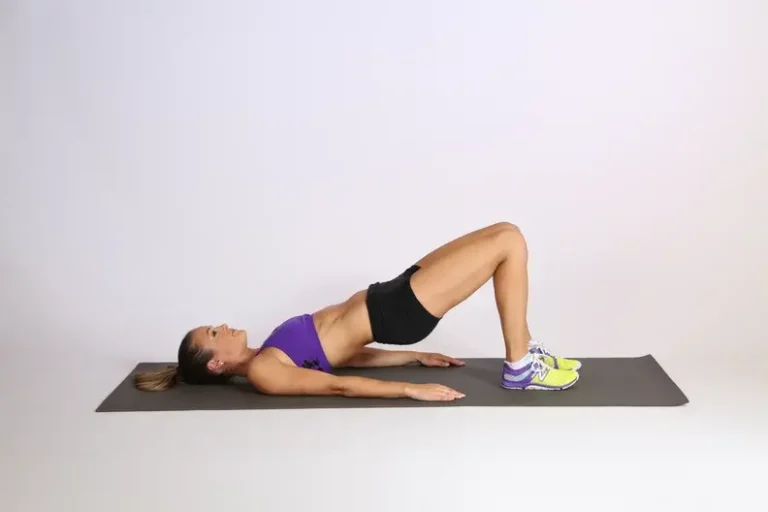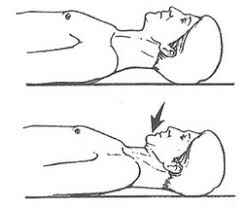
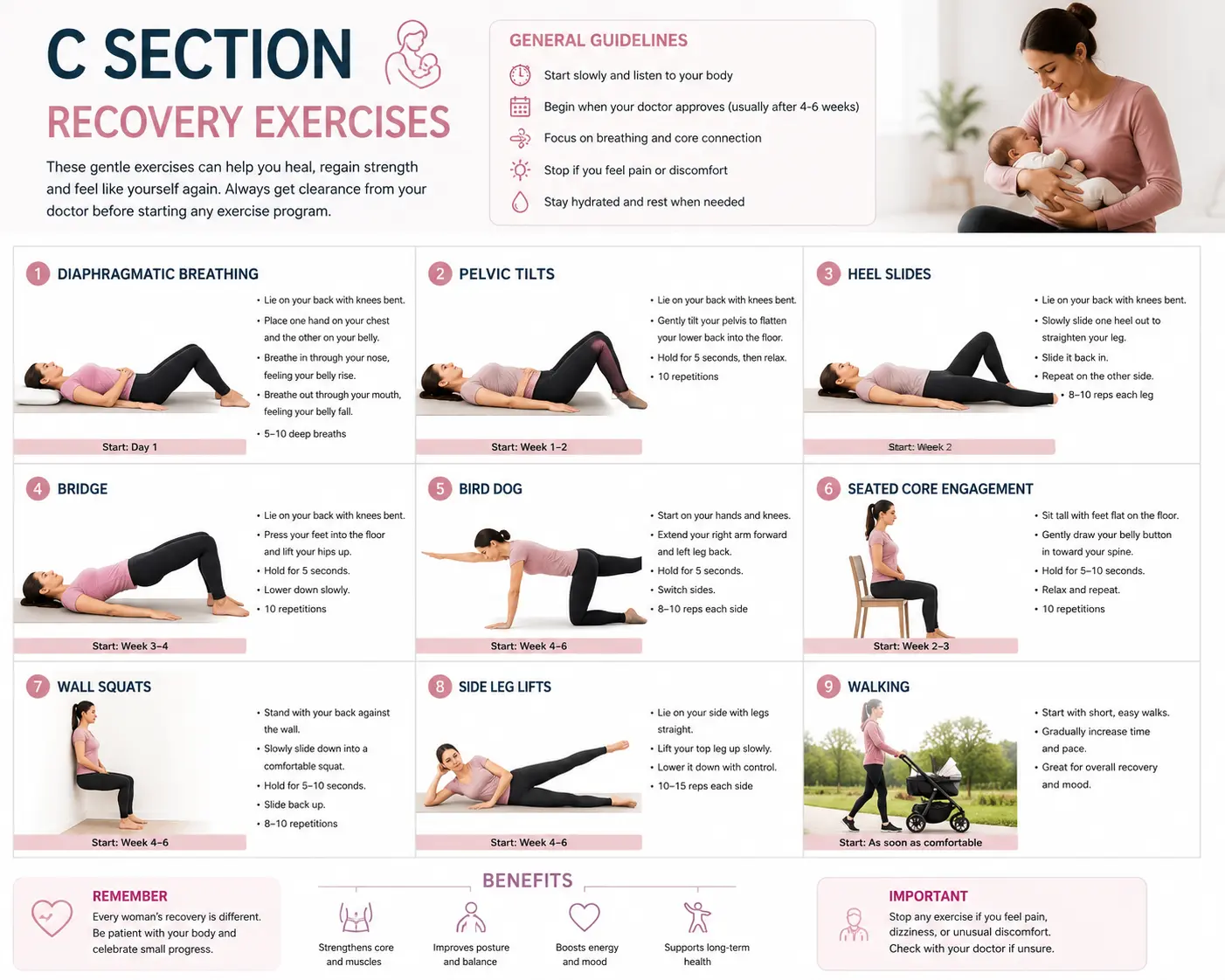
C-Section Recovery Exercises
Introduction
Recovering from a cesarean section takes time, patience, and proper care. C-Section Recovery Exercises are gentle movements designed to support healing, improve circulation, restore core strength, and help new mothers regain mobility safely after surgery.
Starting with simple breathing and pelvic floor exercises before progressing to strengthening movements can reduce discomfort, improve posture, and enhance overall well-being. Always follow your healthcare provider’s recommendations and listen to your body throughout the recovery process.
With consistent practice and gradual progression, these exercises can help you rebuild strength and return to daily activities with greater confidence and comfort.
What is a C-section?
A C-section, also known as a cesarean section or cesarean birth, is a surgical operation that involves making incisions in your uterus and abdomen to deliver your baby. They are carried out when a vaginal birth is unsafe or impossible, or when your health or the health of your unborn child is at risk.
When would I need a C-section?
If you have specific medical issues or if a vaginal birth goes wrong during labor, you could need a C-section. Any of the following circumstances lead to a scheduled C-section:
The condition known as cephalopelvic disproportion (CPD) occurs when either your pelvis is too small to accommodate an average-sized baby or your baby’s head or body is too big to fit through it comfortably.
Previous C-section: Not everyone can have a vaginal delivery following a prior C-section, but it is possible. The kind of uterine incision made during the prior C-section and the possibility of uterine rupture are two factors that may influence this.
Expecting multiples: A C-section may be necessary for two or more infants, even though twins can frequently be delivered vaginally.
Breech presentation: Your baby enters your uterus feet or bottom first with a breech presentation. Some medical professionals could try to turn your baby, but if it doesn’t work, a C-section will be required.
Health problems: Labor during a vaginal birth can worsen illnesses such as heart disease.
Obstruction: A C-section may also be necessary if you have a big uterine fibroid, a pelvic fracture, or a kid with specific congenital abnormalities.
If any of the following circumstances occur during your labor, an unscheduled C-section birth may be required:
Labor isn’t progressing: Also known as protracted labor, this occurs when your baby stops moving down the delivery canal, your cervix dilates and pauses, or it doesn’t efface or thin.
Compression of the umbilical cord: The cord is either stuck between your pelvis and the baby’s head or twisted around their neck or torso.
The umbilical cord emerges from your cervix before your baby does if you have umbilical cord prolapse.
Your physician may determine that a C-section is required because the infant is no longer able to endure labor.
What can I expect before a C-section?
The following operations will be carried out if a C-section is scheduled:
Consent paperwork for the operation will be signed by you.
Anesthesia alternatives will be discussed with the anesthesiologist. The most common method of numbing you from your breasts to your feet is an epidural, sometimes known as a spinal block.
- The hair surrounding the incision will either be shaved or trimmed.
- Your blood pressure and heart will be monitored.
- You will get medication and fluids via an IV placed in your hand or arm.
- If you haven’t already, you will talk to your obstetrician about the process and what to anticipate.
Your obstetrician delivers your baby fast if you require an emergency C-section because your health or the health of your unborn child is in danger. However, because a general anesthetic acts more quickly, there is usually little time to prepare, and you could require it.
What actually happens during a C-section?
Getting ready for anesthesia is the first stage in a C-section operation. An epidural is used for the majority of scheduled C-sections, so you remain awake during the delivery. Sometimes, though, general anesthesia puts you to sleep.
An antibiotic will be used to disinfect your abdomen, and in order to give your baby more oxygen, an oxygen mask may be put over your mouth and nose. Your doctor then covers your legs, chest, and the area where the incision was made with a sterile drape. Lastly, a sterile drape or curtain is raised between your head and lower body by your healthcare staff.
After that, the obstetrician will cut through your skin and into your abdominal wall. They may make a transverse or vertical incision. Another name for a horizontal incision is a bikini incision.
Your doctor then makes a 3- to 4-inch incision in your uterine wall. Additionally, this incision may be vertical or transverse. Ultimately, your baby is removed through the incisions by the doctor. The placenta is removed, the umbilical cord is severed, and the wounds are sealed with staples and sutures.
Lastly, a sterile drape or curtain is raised between your head and lower body by your healthcare staff.
After that, the obstetrician will cut through your skin and into your abdominal wall. They may make a transverse or vertical incision. Another name for a horizontal incision is a bikini incision.
Your doctor then makes a 3- to 4-inch incision in your uterine wall. Additionally, this incision may be vertical or transverse. Ultimately, your baby is removed through the incisions by the doctor. The placenta is removed, the umbilical cord is severed, and the wounds are sealed with staples and sutures. The procedures for emergency C-sections are the same, but the infant is removed more quickly. The delivery process with a scheduled C-section takes ten to fifteen minutes. In an emergency C-section, your doctor takes your baby in a matter of minutes.
Soon after your baby is born, you will be able to view and touch it if you are awake for your C-section procedure.
What does a C-section feel like?
You should not experience any discomfort because you will be under anesthesia. When their kid is taken out of their abdomen, most people say they feel a tug or pull.
Are C-sections safe?
Although vaginal deliveries are generally preferable, a C-section may be the only safe alternative in some circumstances. For instance, if you have placenta previa (placenta covers part of the cervix) or the baby is breech, a C-section is the safer course of action. You should talk to your prenatal care provider about the advantages and disadvantages of a C-section.
How long does a C-section surgery take?
The average duration of a C-section is forty-five minutes. Your physician will seal the abdominal incision and suture your uterus after delivering your baby. During a delivery, a variety of situations may occur. Your baby may be born in as little as 15 minutes in some situations. This C-section is an emergency.
C Section Recovery Exercises
Belly breathing

- This is an excellent method for relaxing. Additionally, it aids in retraining the core muscles to cooperate during everyday tasks. Work your transverse abdominis muscles by lying on your back on a cozy couch or bed.
- Relax your body and put your hands on your stomach.
- Feel your abdomen expand into your hands as you inhale deeply through your nose.
- Exhale through your mouth. Contract your abdominal muscles when you exhale by pulling your belly button in toward your spine. Hold for three seconds.
- Repeat five to ten times.
Seated kegels
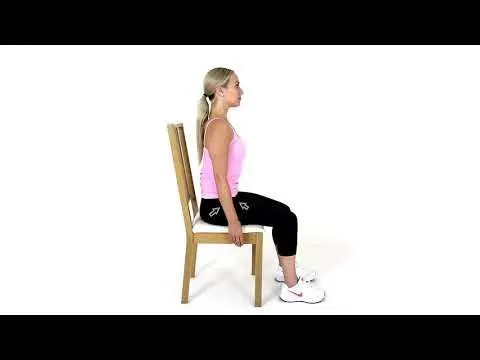
The fascia, a layer of connective tissue, links the abdominal muscles to the pelvic floor and facilitates their optimal cooperation. Kegel exercises are a great way to engage and strengthen the pelvic floor. They have been demonstrated to reduce postpartum stress incontinence.
- Pelvic floor muscles were used.
- With your feet on the ground, take a seat on the edge of a chair.
- Engage the pelvic floor muscles. It should feel like you’re struggling to stop the urine from flowing.
- Imagine if the urethra, anus, and vagina are all closed. Picture them being lifted from the chair.
- For as long as you can, maintain this contraction. Work your way up to a greater duration, starting with 5 seconds.
- Inhale deeply, then exhale completely to release the contraction.
- Try performing Kegel exercises while standing or resting on your side.
- Take a 2-minute break in between each of the 8–12 repetitions. Do this twice a day.
Wall sit

- This full-body isometric exercise is a great method to get all of your muscles working together. The quadriceps, hamstrings, pelvic floor muscles, core, and lower back were all worked.
- Place your feet one to two feet away from the wall.
- Lower yourself into a sitting position by slowly leaning back toward the wall. Your knees and hips should be 90 degrees apart.
- Put your core into action. Feel as though you are pressing your belly button against the wall as you exhale after taking a long breath.
- Do a Kegel while maintaining this position to further strengthen your pelvic floor.
- Hold for as long as you can. After a minute of rest, repeat five times.
Cesarean delivery scar massage
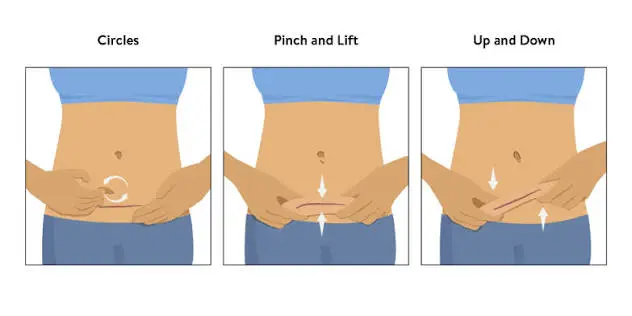
- Your range of motion may be restricted as the various layers of skin and fascia adhere to one another as the cesarean delivery scar heals. Future issues like frequent urination or back or hip pain could result from these adhesions. Scar tissue massage, also known as scar tissue release, facilitates appropriate tissue repair by breaking up adhesions. Scar massage should only start if your scar has healed and your doctor has given the all-clear. Worked areas: connective tissue and fascia
- Place your fingers over your scar while lying on your back. Use your fingertips to pull the skin around the scar, then watch how it moves. Take note of whether it travels more readily in one direction than another.
- You should begin with a gentle massage and work your way up to a more forceful one.
- Move the scar in circles, up and down, and side to side.
- If the scar hurts, give up and try again later. You can do this massage once a day once you’re comfortable.
- Note: Before exercising after giving birth, make sure to speak with your doctor. Always begin simply and progress to more difficult motions. Avoid activities that put a lot of strain on the hip joints and abdominal muscles. See a postpartum exercise specialist or physical therapist if you can. Stop and get medical attention if you observe increased bleeding, exhaustion, or irritation in the scar area.
Leg slides
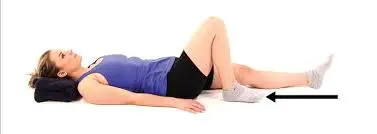
- Exercise should typically be started six to eight weeks following surgery, and you should always consult your doctor before starting. The best approach to start is with low-impact exercises like yoga, Pilates, or swimming. The core muscles are gently yet effectively engaged with this beginner’s core exercise. Strengthening the transverse abdominis muscle is important because it supports the body’s core. Additionally, it promotes core stability and the linea alba, a fibrous tissue that runs from the xiphoid process to the pubic bone. Work your transverse abdominis muscles by lying on your back on the floor with your feet flat on the ground and your knees bent.
- To make it easier for your feet to slide around the floor, put a towel or socks below them.
- Inhale deeply. Without altering the curve of your lower back, tense your abdominal muscles as you exhale by drawing your belly button to your spine.
- As you continue to contract, gradually move your foot away from your body until your leg is fully stretched.
- Return it to the beginning position gradually.
- Ten times on each side, repeat. Do it once every day.
How to recover faster after a C-section?
C-section recovery is a balance of rest and gentle movement. To speed your recovery, try short walks each day to help circulation; get out of bed using the “log roll” technique; drink plenty of fluids to prevent constipation; and control your suffering so you can comfortably tend to the child.
A C-section is major abdominal surgery and takes 6-8 weeks to heal. By following these core steps, you can optimize and speed up your recovery process:
1. Move Smart, Move Often”
Walk early and often: Short, easy walks can prevent blood clots, help digestion, and ease post-surgery discomfort.
The “Log Roll” Don’t do sit-ups to get out of bed. Instead, flip onto your side and use your arms to push yourself up, protecting your core muscles.
Protect your incision: If you feel a cough, sneeze, or laugh coming on, hold a pillow tightly against your abdomen to splint the incision and reduce strain.
2. Get Rest
Follow the 5-5-5 rule: The goal is to spend five days mostly in bed, five days around the bed, and the next five days moving gently around the house so as not to overdo it.
Set limits: Do not lift anything heavier than your baby for at least the first 6 weeks.
Sleep when the baby sleeps.s Give your body rest and don’t be afraid to ask family or friends to help with some of the household chores.
3. Pain Management and Incision Care
Keep it dry and clean: Gently clean an area with mild soap and water and pat dry. Don’t take baths or go swimming until cleared by your doctor.
Beat the pain. Take prescribed or over-the-counter pain relievers (such as acetaminophen or ibuprofen) on a schedule. Most common painkillers are safe to take when you are breastfeeding.
4. Hydration and Food
Avoid constipation — Surgery, pain medications, and inactivity can slow your digestion. To prevent this, drink a lot of water and eat foods that are high in fiber.
Fuel your healing. Consume nutrient-dense, protein-rich foods and fresh fruits/vegetables to provide your body with the building blocks it needs to repair tissue.
5. Watch and Get Help
Check for infection: 1. Look for swelling, increasing redness, a foul-smelling discharge, or a fever. If you notice these signs, contact your OB/GYN right away.
Process your emotions: It’s quite common to feel a variety of emotions following major surgery and childbirth. Consult a trusted friend, spouse, or healthcare provider if you are experiencing extreme anxiety or postpartum depression.
What are the 7 layers in a cesarean?
During a cesarean section (C-section), the surgeon has to cut through seven different layers of abdominal and uterine tissue to safely deliver the baby. Knowing this process, it is no wonder that a C-section is a major abdominal surgery.
7 Layers of a C-Section
To reach the baby, the surgeon cuts or gently separates these tissues in this order:
- Skin: Most superficial layer, usually cut horizontally just above the pubic bone (often referred to as a “bikini cut” or Pfannenstiel incision).
- The layer of fat directly under the skin is known as subcutaneous tissue.
- Fascia – A dense, fibrous connective tissue that surrounds and supports the abdominal muscles. This is trimmed and tucked back.
- Musculus rectus abdominis is an abdominal muscle. Doctors do not slice through them, but rather split them vertically to avoid unnecessary bleeding and pain.
- The thin, transparent membrane protecting the interior of the abdominal cavity is called the peritoneum. It is opened carefully or spread out so that the internal organs are visible.
Uterus (Myometrium): The muscular wall of the uterus. - Amniotic Sac – The fluid-filled membrane (the “water bag”) that is around the baby. The doctor will either tear this last layer with their hands or peel it back carefully until they find the baby.
- Post-delivery
- After the baby and placenta are delivered, the surgeon does the process in reverse. They carefully stitch the uterus back together, closing the layers of muscle, fascia, and fat, and finally stitching or stapling the skin layer shut.
What happens after a C-section?
Your doctor will deliver the placenta after your baby is delivered, just like in vaginal deliveries. Your doctor will then sew or staple your abdominal muscles and your uterus. Staples are taken out at the hospital around one week after the stitches should disintegrate. For a few days or weeks, your stomach will hurt. Your doctor could occasionally recommend more potent painkillers.
Once you go home, you may anticipate limiting your activities, relaxing, and relying on friends and family. Typically, a C-section procedure necessitates a minimum of two to three hospital days.
What are the benefits of a C-section?
The fact that a C-section is safer for you and your unborn child is often its greatest advantage. Most medical professionals will use a C-section to reduce risks when a vaginal birth is dangerous or might harm your child.
Unplanned C-sections do occur occasionally. An emergency C-section, for instance, is safer than allowing your baby’s heart rate to drop any lower if it reaches a hazardous level.
What are the risks involved in a C-section?
A C-section carries some risks, just like any operation. Compared to vaginal birth, C-sections have a somewhat increased risk of complications. These might consist of:
- Infection.
- Loss of blood (hemorrhage).
- Injury to the bowel or bladder.
- A cut that might weaken the uterine wall.
- Abnormalities of the placenta in future pregnancies.
- Risks from general anesthesia.
- Fetal injury.
Other disadvantages of a C-section include:
- After a C-section, recovery could be more challenging than after a vaginal birth.
- Chronic pelvic discomfort is more common after C-sections.
- Future pregnancies are more likely to result in a C-section.
- Breastfeeding may be difficult for your infant.
- Your infant may be more susceptible to respiratory issues.
How long does a C-section recovery take?
You will start to experience discomfort from the incisions as the anesthetic wears off. Additionally, you may have difficulty breathing deeply and have gas pains. During the first few days after C-section surgery, make sure an adult is present to assist you in getting out of bed. The majority of patients spend two to three days in the hospital.
Find out from your doctor what to anticipate during recovery. Steps, lifting, exercise, and other physically demanding tasks should be avoided for a few weeks, according to the majority of physicians. To help you relax and heal, ask your friends or partner for assistance with cleaning, cooking, and running errands. Driving limits may be imposed by your provider until you can easily turn your body and apply pressure to the pedals.
For up to six weeks, you may have cramps, bleeding, and some discomfort near the incision. It could be beneficial to use over-the-counter painkillers like ibuprofen or acetaminophen. For at least six weeks, or until your doctor gives you the all-clear, avoid from having intercourse.
After the procedure, you will also experience vaginal discharge since your uterine lining will be lost. The discharge, known as lochia, will first be crimson before progressively becoming yellow. If you notice severe bleeding or an unpleasant smell coming from the vaginal discharge, make sure to contact your healthcare physician.
Most C-section survivors can think about having a vaginal birth in the future. Your chances of having a vaginal birth after cesarean (VBAC) are greatly boosted if you fit the following criteria:
- A modest transverse incision was made by your clinician.
- An average-sized baby can fit in your pelvis.
- You don’t anticipate multiples.
- The only reason your first C-section was necessary was that your kid was born breech.
When should I see my healthcare provider?
Get in touch with your doctor if you have an infection at the site of your C-section. Keep an eye out for infection symptoms like:
- Swelling or a red wound.
- Gushing fluid or pus from the cut.
- Fever or increasing discomfort.
- Severe pelvic discomfort and cramps or profuse bleeding are other indicators of an issue.
Additional Details
You all have different levels of agony during delivery. For instance, compared to someone who had an epidural before a vaginal birth, you should anticipate higher discomfort if you choose to give birth without medication.
You won’t experience much pain with a C-section birth. However, compared to a normal delivery, recuperating following a C-section may be more difficult and time-consuming. Since every birth is unique, there is no right or wrong response to the question of what is more painful.
How many C-sections can you have?
Your pregnancy and medical history will determine how many C-sections you can have. There is still no consensus on the precise amount. Because of previous incisions or scarring, the procedure may become a little more difficult each time.
FAQs
What exercises can I do immediately after a C-section?
Abdominal exercises
As you release the breath, gently contract your abdominal muscles. Squeeze your pelvic floor muscles simultaneously. Squeeze your pelvic floor with your abdominal muscles for ten seconds, then slowly relax. Do this exercise ten times.
How many days take to heal C-section stitches?
The internal and external layers of a C-section incision heal over the course of six to eight weeks. In the first few days, pain and edema typically reach their peak, and by two weeks, they considerably lessen.
What is the golden hour after a C-section?
The first hour (or two) following delivery is known as the “Golden Hour,” which is a unique time when a baby and the birthing parent have skin-to-skin contact. In order to maintain as much skin-to-skin contact as possible during Golden Hour, we minimize disruptions such as checkups and measurements.
Should I sleep without a pillow after a C-section?
Use cushions for support, please. Place one between your knees to keep your hips in alignment; place another against your abdomen for more comfort. For additional support, you can even position a cushion behind your back. As they recover, many mothers discover that “side-lying” is one of the most comfortable positions.
References
- 6-Week Post-C-Section introductory movement routine. (n.d.). https://www.natal.app/blog/6week-c-section-exercise
- Advice and exercises following Caesarean Section – Milton Keynes University Hospital. (2023, August 31). Milton Keynes University Hospital. https://www.mkuh.nhs.uk/patient-information-leaflet/advice-and-exercises-following-caesarean-section
- Freutel, N. (2018, October 5). 5 Exercises to Help with Your C-Section Recovery. Healthline. https://www.healthline.com/health/pregnancy/c-section-recovery-exercises
- Solanki, P. (2025, December 19). C-Section recovery: Best exercises for Indian moms. R for Rabbit. https://rforrabbit.com/blogs/articles/post-c-section-exercises?srsltid=AfmBOoralZFdoHJ_KoR-y6j1yOpopO13hATBPXePRf8S4IIYZKdroG7M
- Professional, C. C. M. (2026, January 30). C-Section. Cleveland Clinic. https://my.clevelandclinic.org/health/treatments/7246-cesarean-birth-c-section