
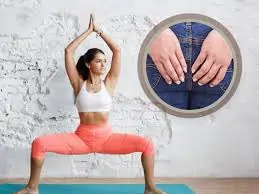
Top Exercises for Dead Butt Syndrome
Introduction:
Exercises for Dead Butt Syndrome focus on reactivating and strengthening the gluteal muscles that become weak or inactive due to prolonged sitting and poor movement patterns.
The buttocks may feel sore or numb due to dead butt syndrome (DBS). It may occur if you sit for extended periods of time without getting up to walk around. Movement and stretching can be beneficial.
Dead butt syndrome (DBS) is a condition that can occur if you spend hours sitting down and don’t get up often to walk, stand, or move around.
Although it can sometimes be called gluteal amnesia, the clinical term for this ailment is gluteus medius tendinopathy.
The syndrome is caused by the gluteal muscles effectively “forgetting” their primary function, which is to support the pelvis and maintain normal body alignment, as one might anticipate from the ailment’s common name.
Dead butt syndrome can be prevented or treated by moving more and sitting less, but you should be aware that if this strange-sounding condition is not handled seriously, it can progress to additional issues.
Symptoms:
- Your buttocks’ gluteal muscles may become numb or even somewhat painful after prolonged sitting. However, you can speed up your recovery with a little stretching and walking.
- Dead butt syndrome symptoms can cause discomfort and stiffness to spread to other areas if DBS is severe. You might feel discomfort in either one or both hips, your knees, and your lower back.
- Sciatica-like pain may radiate down the leg.
- If DBS is not treated, you may also experience a loss of strength in your hip flexors and glutes. If only one hip is impacted, lying down on that side may cause pain.
- The hip bursa, a fluid-filled sac that facilitates mobility within the hip joint, may become inflamed as a result of DBS. Pain and swelling in the surrounding area are further signs of bursitis (inflammation of the bursa).
- Balance and gait issues brought on by DBS symptoms might also cause lower leg pain.
- To help reduce hip and back pain while you run or walk, you could alter your typical stride. However, this may put unfamiliar strain on your feet, ankles, and knees, resulting in stiffness that extends beyond your butt.
Causes:
- Changes in load, or when the muscles transition from prolonged sitting to intense exercise, are contributing causes.
- The gluteal muscles can extend, and the hip flexors, or hip muscles, might tighten if you don’t move enough, especially if you spend a lot of time sitting or lying down.
- The muscles that travel from your lower back, across your pelvis, and across the front of your thigh are called hip flexors. Your legs are moved by them as you run, stroll, and climb stairs.
- Even a quick stroll can cause an episode of dead butt syndrome if the hip flexors aren’t stretched. Inflammation of the gluteal medius tendons can result from allowing your hip flexors to tighten and your gluteal muscles to extend.
- The tendons supporting the gluteus medius, one of the smaller muscles in the buttocks, are susceptible to this type of injury.
Risk Factors:
- A sedentary way of living.
- A work that requires you to sit for extended periods of time, previous injuries, and slouching.
- If a person spends too much of their non-running time at a desk, they are more likely to get DBS.
- Any intense exercise, including distance running, can put strain on tendons and muscles that remain in one position for extended periods of time. Ballet dancers and other athletes are likewise more vulnerable.
- DBS can also be increased by falls or other injuries.
How to Evaluate?
- It’s best to see a doctor if you have DBS symptoms, particularly when engaging in weight-bearing activities like walking or stair climbing.
- An orthopaedist or sports medicine specialist can also be a suitable option to assess your symptoms and, if required, begin a treatment regimen.
- In addition to reviewing your medical history and symptoms, the doctor will look at the stiff and painful areas. You might be asked to stretch or move your legs in various ways and report any changes in your symptoms.
- In order to rule out other possible disorders, they could additionally request an MRI or X-ray. The diagnosis of DBS is not particularly successful with these kinds of imaging techniques.
Medical treatment:
For most people, including runners and other athletes, taking a break from sports or physical activity is the standard course of treatment. Depending on the severity of your DBS, medical professionals might additionally advise:
- Using a heating pad or ice for brief periods of time to lessen pain.
- compression and elevation, if prescribed by a physician.
- Rest, including abstaining from painful activities.
- Light stretching and exercise to assist in easing sore muscles and promote healing.
- Physical therapy to increase flexibility and strength.
- Massage treatment to ease tense muscles.
To ease discomfort, you could also take several drugs. These may include nonsteroidal anti-inflammatory medicines (NSAIDs) like Tylenol and acetaminophen.
Aspirin, Naproxen (Aleve, Naprosyn), Ibuprofen (Advil, Motrin)
Exercises For Dead Butt Syndrome:
Hamstring Stretch:

- Bend slightly at the waist till you feel a tiny tug on your left hamstring while keeping your left leg straight and your right leg slightly bent.
- After ten seconds of holding, switch legs.
- The stretches should be extended to 30 seconds at a time.
Glute Squeeze:
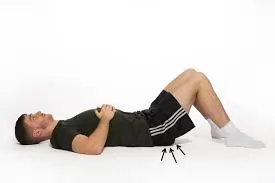
- Place your feet hip-width apart and bend your knees slightly as you stand.
- Squeeze your glutes firmly for about 3 seconds while pulling your abdominal muscles in and holding your shoulders back.
- After that, slowly relax your glutes for one whole repeat.
Squats:

- Place your feet shoulder-width apart as you stand.
- Tighten your core muscles and steadily bend your knees until your thighs are nearly parallel to the floor.
- After that, gradually return to your previous location. There is one recurrence of this.
Glute Bridge:
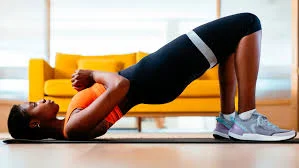
- Before you work out, the glute bridge will help you strengthen and engage your glutes.
- With your arms by your sides and your back on the floor, lie down. To place your feet flat on the ground, bend your knees.
- Lift your butt and back off the ground and into the air while contracting your glutes. Make sure you’re lifting your body entirely using your glutes and without using any other muscles, such as your legs.
Donkey Kicks:
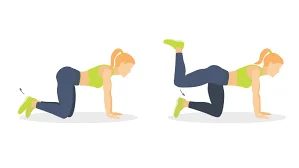
Donkey Kicks steps:
- With your hands beneath your shoulders and your knees beneath your hips, begin on your hands and knees with your abs contracted.
- Lift your right leg and bend your knee while maintaining a flat back. Press your right foot up toward the ceiling while using your right glute.
- Before putting your knee back on the ground, squeeze your glute at the peak of the exercise.
Clamshells:

- With your knees bent at a 45-degree angle and your legs stacked, lie on your side.
- Work your abdominal muscles. Next, without tilting your pelvis forward or backward, elevate your upper knee as high as you can while keeping your heels together.
- After a few moments of holding, return your knee to its initial position.
Prevention:
- Reduce the reasons and build up the glutes to keep them active and involved. This entails doing glute exercises and reducing the amount of sitting you do during your workouts.
- Set reminders to get up, stretch, or take a walk every 30 to 60 minutes to prevent your glutes from dozing off during extended durations of sitting.
- Additionally, think about adopting a standing desk and alternating your chairs on a regular basis. This can lessen the stress on any one area of your body. Next, add cross-training exercises to your running routine to make sure your glutes aren’t overworked or underworked all the time. Exercises that promote balanced hip strength include yoga, Pilates, swimming, and walking up an incline. In the meantime, foam roller workouts and hip flexor stretches release the hips for improved glute activation.
FAQs
What are some common glute activation mistakes?
Failing to engage the glutes first.
Not Getting Enough Glute Training.
Inadequate range of motion and form.
Ignoring Progressive Overload.
Ignoring the connection between the mind and muscles.
Can exercise fix flat buttocks syndrome?
You may develop the muscles and get a fuller butt by performing unilateral exercises that focus on the glutes. These consist of fire hydrants, glute bridges, glute kickbacks, squats, and curtsy lunges.
How to activate an inactive glute?
Glute Bridge
To get your body in a straight line from knee to head, drive your hip up into the air, tense your glutes, and press your feet into the ground. While in this top posture, carefully return your hips to the starting position while keeping your glutes taut.
What muscles are affected by gluteal amnesia?
The gluteus maximus muscle is impacted by dead butt syndrome. It is typified by a loss of strength and tone in the buttocks. Prolonged sitting can contribute to the condition by reducing blood supply to the muscles.
What does glute amnesia feel like?
Your glutes may feel a bit painful or numb after prolonged sitting, but they usually return to normal quite fast with a little stretching. In more severe cases, gluteal amnesia symptoms can cause pain and stiffness in other areas, such as the knees, hips, and lower back.
References:
- All about gluteal amnesia (‘Dead butt syndrome’) – 2025 – Roland/www.healthline.com/health/dead-butt-syndrome
- 7 Exercises To Fix Dead Butt Syndrome – 2025 – Anthea Levi,RD/www.health.com/fitness/dead-butt-syndrome-gluteal-amnesia
- Even runners can develop dead butt syndrome, and fixing it is good for your performance and longevity – 2026 – Bedosky/www.runnersworld.com/health-injuries/a70845426/dead-butt-syndrome-runners


