Frog Pose (Mandukasana)
Introduction
Frog Pose, also called Mandukasana in Sanskrit, is an intermediate to advanced yoga pose that can help you improve your posture, boost circulation, and expand your hips and groin muscles.
After a warm-up that consists of several rounds of sun salutations and lunges or lunge variants that start to expand your hips and prepare for the deeper stretch of the frog position, the frog posture is a fantastic addition to your yoga practice.
It’s particularly beneficial if you want to increase your flexibility while having the chance to practice deep, calm, conscious breathing because it takes some time to settle into. Frog posture will promote flexibility and suppleness in the hip and groin region, which frequently gets tense from repetitive action, for athletes or those who run, bike, or execute fast agility routines.
Muscle involvement during the frog pose.
- Adductors: The muscle groups in your thigh that aid in bringing your legs together are called adductors. They help with tasks like crossing your legs and stabilizing your pelvis as you walk and stand.
Frog Pose
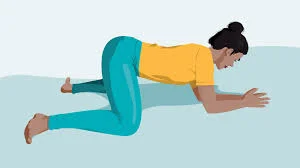
- Position: Prone lying position.
- Start on all fours, placing your knees behind your hips and your hands beneath your shoulders.
- Transfer your weight to your hands in front of you.
- Keeping your knees in line with your hips, slowly move them out to the sides.
- Maintain a bent knee position and align your ankles with your knees behind you.
- Extend your toes to the sides.
- With your hands on the floor or together, rest on your forearms with your elbows under your shoulders. Another option is to put your hands forward and place your forehead or chin on the ground.
- To deepen the position, sit back into your hips.
- Inhale deeply while concentrating on unwinding and letting go of stress.
Modifications and Variations
Try the variants listed below if you’re having trouble perfecting this stance. Try a half frog stance, in which the torso and belly lie on the ground while one leg is in frog pose and the other is extended straight back, if none of these adjustments suit your physique. You can also perform Ananda Balasana, or joyful baby posture, while lying on your back, either before or after half frog pose.
- Modification for Knee Pain: You may fold up the ends of your yoga mat for more padding if your knees are sore, or you can put more blankets below them. To lessen the strain on your knees and hips, you can also try shifting more of your weight onto your hands. For additional pressure relief, consider placing a yoga block beneath your midsection. To prevent getting hurt, stay out of this posture if you are still experiencing knee pain.
- Hip Flexibility Modifications: Reduce the space between your knees and avoid bringing your torso and hips too near the floor if the complete frog position is too unpleasant or if your hips and groin muscles are unable to do the entire exercise. To lessen the stretch’s tension, you can also think about moving your feet closer together. Another alternative is to use a bolster or rolled-up blankets beneath your hips to support your body as you try to make your inner thighs more flexible.
Common Mistakes while exercising
Never Forgetting to Breathe
- Deep, belly breathing is one of the main advantages of the frog stance. This is particularly crucial when you enter the position and deepen your groin stretch.
- Avoid the temptation to hold your breath. Ease up on the stretch and refocus your emphasis on breathing if it feels too intense and you respond by breathing less.
Pulling Your Knees Apart
- Do not push your knees more apart in an attempt to get closer to the ground if you are unfamiliar with this position or have hip or knee restrictions.
- Only lower your body as far as it is comfortable for you. You will still benefit from the position as long as you are breathing deeply and experiencing the stretch.
Allowing Your Lower Back to Drop
- Maintaining a lower back and a strong core is essential to the effectiveness of this position. Engaging certain muscles—in this example, your core—while releasing others—your hips and inner thighs—may seem difficult, but it is a component of the muscular intelligence that yoga fosters.
- Use a bolster beneath your tummy if you need a prop.
Contraindications
- You shouldn’t attempt it at all if you have a recent or severe injury to your spine, core, knees, feet, ankle, or thighs. In such circumstances, it may result in discomfort and negative consequences.
- Frog posture can be harmful to the fetus during pregnancy since it puts strain on the core. Consequently, avoid this stance at all costs when pregnant.
- If you have hip, knee, or groin issues, stay away from the frog stance. If you experience any discomfort, stop right away and unwind. Be mindful of feelings in the hip or groin area if you are experiencing pain or problems with your ankles or lower body.
Indications
- For hip mobility
- Warm-up before exercise
- Hip muscle tightness
- Strengthen the hip muscles
- Yoga and Pilates
Advantages of the frog pose.
- May reduce back discomfort and increase hip mobility: Frog Pose is one of the yoga positions that may strengthen muscles and relieve tension in the lower back. It’s perfect for those who spend a lot of time sitting down, which can lead to tight hip flexors or low back pain. Additionally, it could increase hip range of motion, flexibility, and mobility, which is beneficial for those with tight hips from cycling, swimming, or jogging.
- May enhance emotional and mental well-being: Frog Pose may be even more beneficial if breathing exercises are added. You may, for instance, try concentrating your awareness on each breath, bodily sensations, or a particular part of your body, like the centre of your heart. Stress-reduction techniques significantly reduce chronic pain, improve mental health, and raise quality of life.
- May help diabetes management: Numerous yoga techniques, such as breathing exercises, meditation, and postures, may help manage type 2 diabetes by controlling blood sugar levels.
- Might reduce stress at work: Additionally, yoga may help lessen the negative impacts of stress at work, such as lower back pain.
- Pelvic floor relaxation: The frog stretch enhances circulation and reduces pelvic floor tension. People with a tight pelvic floor may have symptoms like discomfort during intercourse or difficulty emptying their bladder.
FAQs
What is a woman’s frog position?
Performing the Frog Pose
Move your knees to the side and outward gradually. Once your knees have been pulled outward, make sure your feet and ankles are in a straight line with your knees. You should stay comfortable when you extend your knees to the side.
What is the benefit of the frog stretch?
By enhancing hip flexibility, fortifying core muscles, and easing back discomfort, the frog stretch, also known as Mandukasana, improves both physical and mental well-being. Additionally, it lowers stress, aids with digestion, and can help control diabetes by stimulating the pancreas.
Who shouldn’t do the frog pose?
Surgery and Injury: Frog posture. It is generally regarded as safe for individuals of all levels of fitness. However, if you have any shoulder condition or soreness in your knees, groin, lower back, or hips, avoid this posture.
What advantages does the frog stretch offer?
The frog stand develops the fundamental strength and wrist stability required for more complex hand-balancing exercises like a handstand, strengthens the arms, shoulders, and core, and enhances balance and coordination. This position improves attention and body awareness and is suitable for beginners.
If I have hip pain, which workouts should I avoid?
You should avoid high-impact exercises, deep squats and lunges, and repetitive hip flexion movements like pulling your knee to your chest if you have hip discomfort. Exercises that place too much strain on the hips, such as leg presses, standing exercises, and high-impact aerobics like sprinting or leaping, should also be avoided, as should any activity that hurts.
Which muscles are necessary for a frog stretch?
During the Frog Stretch, muscles are used.
The main activities of the frog stand are: Primary: Core stabilizers (rectus abdominis and obliques), wrists, forearms, and shoulders (anterior deltoids). Secondary: triceps, hip flexors, serratus anterior, and scapular stabilizers (trapezius, rhomboids).
Why is the Frog Pose so challenging?
Frog position can be quite strenuous because it necessitates simultaneous deep outward rotation of both hip joints. Additionally, it is a deep groin opening, particularly for the adductors, an area that most of us don’t often stretch.
Which condition does Mandukasana treat?
During Brahma muhurta, yoga poses like Mandukasana and Dhanurasana might help obtain wellness and eliminate diabetes mellitus, a metabolic condition.
References
- Cronkleton, E. (2024b, September 9). 4 Benefits of frog pose (Mandukasana). Healthline. https://www.healthline.com/health/fitness/frog-pose-benefits#bottom-line
- Lindberg, S. (2023a, April 21). How to do frog pose (Mandukasana) in yoga. Verywell Fit. https://www.verywellfit.com/how-to-do-a-frog-pose-4690004
- Ringe, D. (2025, January 22). Frog pose. DIE RINGE. https://dieringe.com/exercises/frog-pose
- Ashish, Y. (2023). Frog Pose (Bhekasana): How to Do, Benefits & Precautions – Fitsri Yoga. In frog strtech. https://www.fitsri.com/poses/frog-pose