
Surya Namaskar (Sun Salutation)
What is Surya Namaskar?
Surya Namaskar, also known as Sun Salutation, is a powerful series of 12 yoga positions that combine physical postures, rhythmic breathing, and spiritual purpose.
“Surya Namaskar” means “Sun Salutation,” and it is a love tribute to the sun. Beyond its physical advantages, this practice has a deep meaning in yoga, as it is a strategy for honouring the sun as the ultimate source of energy.
Beyond the yoga mat, Surya Namaskar reflects our world’s inherent rhythms, including the 24 hours of the day, the twelve zodiac phases, and the body’s biorhythms.
What is the meaning of Surya Namaskar?
Surya Namaskar, derived from Sanskrit, translates as “Sun Salutation.” The title is a mixture of “Surya,” meaning “Sun,” and “Namaskar,” which is a combination of “Namah” (to pray) and “Kara” (hand).
Surya Namaskar yoga sequence consists of twelve positions, each representing a distinct type of prostration (Namaskar) and a passionate prayer to the sun.
Surya Namaskar is a symbolic gesture, similar to Anjali Mudra, in which the first stance (Prayer pose) becomes a gift to the Divine. In the context of Surya Namaskar, the practitioner’s 12 prostrations include lying face down, a unique type of greeting addressed to the divine presence, represented by the sun in our terrestrial realm.
Video of Surya Namaskar
Tips for Beginners:
- Alignment Focus: Maintain good alignment in each position to avoid strain and enhance flexibility. For a balanced posture, consider the alignment of your feet, knees, and hands.
- Breath Coordination: Coordinate your breathing and motions. Inhale during chest-opening positions, and exhale during forward bends. Rhythmic breathing increases energy flow.
- Stay conscious of your posture: Engage core muscles and relax shoulders. This promotes injury prevention and improves the breath-movement link.
- Gradual Progression: Begin at a comfortable speed and gradually increase intensity. Listen to your body and prevent overexertion, particularly if you are new to yoga.
- General guidelines: Surya Namaskar should be performed on an empty stomach, either in the morning facing the sunrise or in the evening facing the sunset.
- Warm up with easy stretches before starting the pattern to prepare your joints and muscles.
- If Surya Namaskar is your primary workout, finish with a relaxing posture such as Shavasana to enable the body to absorb the benefits.
- Seek Advice: If you’re concerned about sun salutation positions or are experiencing difficulty, go to a yoga instructor for personalised advice. Your practice is a personal journey, so move at your own speed.
What Are the 12 Steps of Surya Namaskar?
In this 12-step program, each step introduces a new stance that combines breath, movement, and a touch of spirituality.
Below is a breakdown of the 12 positions of Surya Namaskar in 12 steps with simple directions to help you enjoy this refreshing yoga practice.
- Step 1: Stand erect in Pranamasana (prayer position).
- Step 2: Inhale, extend your arms up and back in Hasta Utthanasana (Raised arms position).
- Step 3: Exhale and bend forward into Hastapadasana (standing forward bend).
- Step 4: Inhale, step back right leg into Ashwa Sanchalanasana (Equestrian posture).
- Step 5: Hold the breath, transition to Chaturanga Dandasana (four-limbed staff position) by stepping both legs back.
- Step 6: Exhale and drop your knees, chest, and chin down in Ashtanga Namaskar (eight-limbed position).
- Step 7: Inhale and bring the chest up into Bhujangasana (cobra pose).
- Step 8: Exhale and pull the hips and tailbone up in Adho Mukha Svanasana (downward-facing dog posture).
- Step 9: Inhale and walk forward with your right foot in Ashwa Sanchalanasana (Equestrian Pose).
- Step 10: Exhale, move forward with the left foot, and enter into Hastapadasana (standing forward bend).
- Step 11: Inhale, extend arms up and back in Hasta Utthanasana (Raised arms position).
- Step 12: Exhale and stand tall in Pranamasana (prayer position).
12 Poses of Surya Namaskar with Step-by-Step:
Pranamasana (Prayer pose):
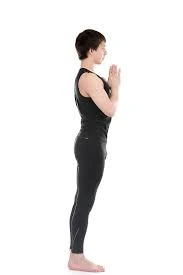
- Start in a standing stance, feet together and arms beside your body.
- Gently bend your elbows and bring your palms together in a Namaste motion in front of your chest.
- Close your eyes, relax your entire body, and breathe normally.
- Chant “Om Mitraya Namaha” while focusing your attention on the Anahata Chakra in the chest.
Hasta Utthanasana (Raised arms pose):

- After a long exhale in prayer posture, inhale while separating your hands and rising and stretching your arms aloft.
- Lift your eyes upward while softly arching your back and pulling your pelvis forward.
- Maintain a shoulder-width space between your arms.
- Feel the stretch in your belly and the expansion of your lungs.
- Chant “Om Ravaye Namaha” while doing Hasta Utthanasana for a harmonic connection.
Padahastasana (Standing forward bend):
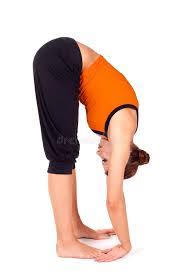
- Exhale gently and fold forward from the hips, hands on the floor on each side of your feet.
- Bring your head as close to your knees as possible for a deep back and hamstring stretch.
- Allow the chest to rest against the thighs while maintaining a mild forward bend stance.
- Enhance the exercise by singing the Surya Namaskar mantra “Om Suryaya Namaha,” which synchronises breath and movement for a peaceful feeling.
Ashwa Sanchalanasana (Equestrian pose):

- Inhale deeply while stepping your right leg back. Extend it as far back as is comfortable, with the right knee on the floor and toes curled in.
- Bend the left knee and place the foot on the floor, aligning it with the left hip. Position the left knee precisely over the left ankle.
- To create a strong base, press your hands or fingers firmly alongside the left foot on the floor.
- Arch your back and tilt your head backward, elevating your chin to look up. Maintain a modest stretch towards the front of the body.
- Chant the mantra “Om Bhanave Namaha” to strengthen your spiritual connection and concentrate while in this position.
Chaturanga Dandasana (Four-limb pose):
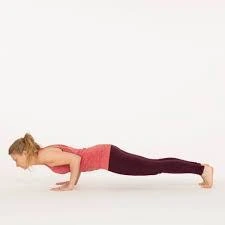
- Inhale, pulling the left foot back and putting it beside the right foot.
- Lower the chest closer to the floor by exhaling, curling the toes in, and pressing the hands against the floor.
- Balance the entire body on your toes and hands, making a straight line from head to heels.
- Hold your breath in this position while keeping a firm and straight posture.
- Make sure the shoulders are packed over the wrists, and use the core muscles to maintain stability.
- Maintain controlled and balanced alignment while keeping the body parallel to the floor.
- Hold the position for a few breaths before advancing to the next pose, Ashtanga Namaskar (Eight-Limbed position).
Ashtanga Namaskar (Eight-Limbed Pose):
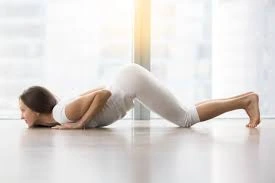
- Exhale and lower the knees to the floor, bringing the hips back slightly.
- Slide slightly forward, resting your chest and chin on the floor.
- Only the toes, knees, chest, hands, and chin touch the ground.
- Keep your buttocks, hips, and abdomen lifted.
- Maintain the posture by breathing out steadily and controlled.
- Chant “Om Pushne Namaha” while performing this Sun Salutation stance.
- As you transition from Ashtanga Namaskar, prepare for the next posture, Bhujangasana (Cobra posture).
Bhujangasana (Cobra pose):
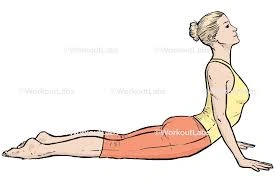
- Inhale, drop the hips, point the toes back, and slide your chest forward.
- Arch your back and roll your shoulders down.
- Slowly gaze up, elevating your chest and head like a snake raising its hood.
- Chant “Om Pushne Namaha” as you do Bhujangasana.
- Maintain the position via regulated breathing, focusing on opening the chest and stretching the spine.
- As you transition from Bhujangasana, prepare for the next posture, Adho Mukha Svanasana (Downward-Facing Dog).
Adho Mukha Svanasana (Downward Facing Dog):

- Exhale, elevate the hips and press them backward, putting your heels on the floor.
- Straighten the arms and lower the head between them to create an inverted V with the legs, arms, and back.
- Engage the core muscles by forcefully pressing the palms and heels onto the floor.
- Take a few breaths in this posture, allowing the spine to stretch while keeping a constant downward orientation.
- Chant “Om Khagaya Namaha” while you do Adho Mukha Svanasana.
Ashwa Sanchalanasana (Equestrian pose):
- Inhale and move the right foot forward between your hands, bending the knee.
- Lower the left knee to the floor while tucking the left toes in and pushing the pelvis forward.
- Tilt the head back to look up, keeping a mild arch in the spine.
- Chant “Om Adityaya Namaha” as you practise Ashwa Sanchalanasana.
- Prepare for the next stages in the Surya Namaskar routine, transferring smoothly from Equestrian Pose.
Padahastasana (Standing forward bend):
- Exhale and move the right foot forward, then bend forward at the hips.
- Maintain a straight spine and place your palms on the floor beside your feet.
- Recite the mantra “Om Savitre Namaha” while performing Padahastasana.
- Focus on stretching the spine while keeping the head close to the knees.
- Prepare for the following stage in the Surya Namaskar routine by effortlessly transitioning from the Standing Forward Bend.
Hasta Utthanasana (Raised arms pose):
- Inhale to elevate the torso and stand erect.
- Stretch your arms upward, parallel to each other, palms facing each other.
- When practicing Hasta Utthanasana, chant the mantra “Om Arkaya Namaha”.
- Prepare for the next stages in the Surya Namaskar sequence by effectively transitioning from the Raised Arms Pose.
Pranamasana (Prayer pose):
- Exhaling, slowly lower the arms to meet the palms in front of the chest.
- Chant “Om Bhaskaraya Namaha” as you practise Pranamasana.
- This marks the end of one round of Surya Namaskar.
- Prepare to begin the following cycle or transition to a relaxing posture such as Shavasana.
- Maintain a concentrated and meditative state while acknowledging the end of the program.
Benefits:
Physical Health Benefits:
Flexibility Boost:
Surya Namaskar’s dynamic postures stretch and tone muscles while increasing general flexibility. Regular practice allows your body to move with ease.
Boosts Metabolism:
Surya Namaskar stimulates the endocrine system, resulting in a metabolic boost. This spiritual practice can help you strengthen your digestion and keep your blood sugar levels stable.
Cardiovascular harmony:
The routine includes inverted positions, which promote improved blood circulation and a healthy heart. Surya Namaskar helps to maintain a healthy cardiovascular system.
Muscle Strengthener:
Strengthen your muscles from head to toe. Surya Namaskar works several muscle groups, allowing you to achieve a strong and toned physique.
Energising the Respiratory System:
Breathe in and out. Surya Namaskar synchronises breathing and movement, improving respiratory function. Your lungs will appreciate you for the refreshing workout.
Weight Management Ally:
Say goodbye to unwanted weight. When performed daily, Surya Namaskar benefits weight control because of its calorie-burning properties.
Balances the Ayurvedic Doshas:
Surya Namaskar promotes Vata, Kapha, and Pitta balance by using appropriate breathing throughout the poses. This is because all five components are in equilibrium.
Mental Health Benefits:
Stress buster:
Wave your tension goodbye. Surya Namaskar’s rhythmic flow and careful breathing relieve stress, leaving you feeling relaxed.
Mind and Body Harmony:
Feel the harmony of mind and body. Surya Namaskar encourages the link between physical motions and mental attention, resulting in holistic harmony.
Mood Enhancer:
Elevate your spirits. The technique causes the production of feel-good hormones, which combat mood swings and promote emotional well-being.
Mindfulness Magnet:
Immerse yourself in the current moment. Surya Namaskar’s contemplative qualities promote awareness and mental clarity.
Anxiety Alleviator:
Discover tranquilly inside. Surya Namaskar has relaxing benefits that also reduce anxiety, creating a mental sanctuary in the midst of everyday stress.
Enhanced concentration:
Sharpen your attention. Surya Namaskar focuses the mind, increasing attention and mental alertness.
Precautions and Contraindications:
Mindful Breathing and Movement: It is critical to align your breath with your movements. Maintain intentional alignment to prevent strain.
Post-Surgery Caution: If you’ve recently had surgery or had a brain haemorrhage, proceed with caution or as directed by a healthcare professional.
Timing and Preparation: Perform Surya Namaskar on an empty stomach after bowel cleaning.
Warm up properly with easy stretches before beginning the routine.
Avoidance in Specific Cases: People who have hernias or intestinal TB should avoid performing Surya Namaskar.
Monitoring Blood Pressure: If you have blood pressure problems, it’s best to practise under expert supervision to provide a regulated and supervised approach.
Adaptations for Different Fitness Levels: Surya Namaskar may be tailored to various fitness levels. Begin gently and adapt the positions as required.
Common Mistakes:
- Skipping Breath Coordination.
- Rushing through the sequence.
- Poor alignment in key postures.
- Ignoring modifications and props.
- Skipping warm-ups and cool-downs.
Conclusion:
Incorporate the 12 Surya Namaskar positions, which represent a passionate tribute to the sun. It means “Sun Salutation” in Sanskrit and is based on ancient yogic practices. The rhythmic combination of breath and movement has several advantages, including physical toning, flexibility enhancement, immune system stimulation, and stress reduction.
Whether you’re a newbie looking for alignment suggestions or a teacher looking to include it in your lessons, Surya Namaskar reveals the route to overall well-being. Begin each yoga session or movement practice with this transforming sequence, representing the spirit of reverence towards the sun.
FAQs
What are the 12 poses of Surya Namaskar?
Surya Namaskar consists of 12 stages or postures: Pranamasana, Hastauttanasana, Hastapadasana, Ashwa Sanchalanasana, Dandasana, Ashtanga Namaskar, Bhujangasana, Adho Mukha Svanasana, Ashwa Sanchalasana, Hastapadasana, Hastauttanasana, and Tadasana.
What are the benefits of Surya Namaskar poses?
Surya Namaskars Benefits.
Strengthens the muscles and joints.
Builds immunity.
Aids detoxification.
Encourages weight loss.
Balances the body and mind.
Infuses the body with energy.
Helps in skincare and haircare.
Is Surya Namaskar good for beginners?
Sun Salutations, also known as Surya Namaskar, is a beginner-friendly yoga sequence that stretches, strengthens, and energises the body. Compared to advanced yoga sequences, these postures are primarily concerned with warming up and increasing spine flexibility.
Is Surya Namaskar good for the kidneys?
Suryanamaskar also enhances bowel peristalsis, increases blood circulation throughout the body, massages and tones the kidneys, allowing wastes to be properly removed from the body, and aids in the elimination of toxins through increased sweat.
When to avoid Surya Namaskar?
Before attempting Suryanamaskar, thoroughly consider the contraindications of the eight component postures and confirm that they can be practiced comfortably. It should be avoided by persons who have coronary artery disease, spinal injuries, hernias, or peptic ulcers.
Which diseases can be cured through Surya Namaskar?
Promotes cardiovascular health.
Improves flexibility and muscular strength.
Promotes weight loss.
Promotes intestinal health.
Improves mental clarity and concentration.
Improves lung capacity and respiratory health.
Improves sleep quality.
Boosts the immunological system.
How many times should I repeat sun salutations?
Begin your practice with three to five rounds, eventually increasing to ten or fifteen. If this seems excessive, keep in mind that the typical number of rounds is 108, which may take more than a few weeks to achieve.
References:
- 12 Steps of Surya Namaskar (Sun Salutation): Poses, Benefits and More – Fitsri Yoga. https://www.fitsri.com/articles/surya-namaskar.
- Admin. (2025, June 11). 5 common mistakes people make during Surya Namaskar (And How to Fix Them). Pyramid Yogshala. https://pyramidyogshala.com/5-common-mistakes-people-make-during-surya-namaskar/
- Rakshak, & Rakshak. (2025b, July 24). Surya Namaskar – How to do Sun Salutation with Steps. The Art of Living – Making Life A Celebration. https://www.artofliving.org/in-en/yoga/yoga-poses/sun-salutation