
8 Best Hamstring Stretching Exercises
Introduction:
Best Hamstring Stretching Exercises help improve flexibility, reduce tightness, and prevent injuries in the back of your thighs. These stretches are ideal for athletes, fitness enthusiasts, and anyone with tight hamstrings from prolonged sitting.
The hamstrings are three muscles at the back of the leg that connect the hip to the knee. This muscle group enables humans to walk, run, and jump.
People utilise their hamstrings in daily motions; therefore, it’s critical to maintain their strength and flexibility. Stretching can help prevent strains and muscle tears.
Benefits of Hamstring Stretches:
Hamstring stretches can help maintain your hamstrings free and flexible. According to a 2019 study review, flexible hamstrings offer various advantages, including:
Reducing Lower Back Pain
Tight hamstrings decrease pelvic movement, putting strain on the lower back. Strengthening and extending the hamstrings helps keep them from getting overly tight and gives additional support to the back and pelvis.
Avoiding injuries
Keeping the hamstrings free reduces the likelihood of straining or tearing the muscle fibres during severe physical exercises like jogging.
Improving flexibility
Hamstring stretches can help promote flexibility and range of motion in the hips. Both of these benefits can make it easier to complete daily duties like going upstairs and bending over.
Enhanced posture
When the hamstrings get overly tight, the muscles shift the pelvis backward. This might flatten the natural arch of the back, resulting in poor sitting and standing posture. Maintaining hamstring flexibility can help people sit straighter and stand higher.
8 Best Hamstring Stretching Exercises:
Simple Hamstring Stretch
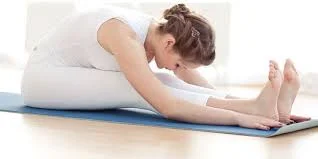
- Sit on the ground with both legs straight.
- Extend your arms and extend forward, bending your waist as much as possible while maintaining your knees straight.
- Hold this posture for 15–30 seconds.
- Relax back into the beginning position.
- Repeat three times.
Hurdler Hamstring Stretch
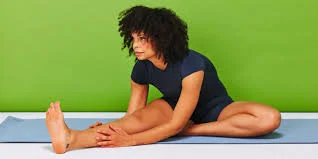
- Sit on the ground, one leg stretched straight.
- Bend the second leg at the knee and place the sole against the opposite inner thigh.
- Extend your arms and extend forward over the straight leg, bending at the waist as far as possible.
- Hold this posture for ten seconds.
- Relax.
- Repeat for the opposite leg.
Standing Hamstring Stretch (Both Legs)

- Stand and place your right foot in front of your left.
- Slowly drop your forehead to your right knee while bending at the waist.
- Keep both knees straight.
- Hold this posture for 15–30 seconds.
- Relax.
- Repeat on the opposite side, crossing your left foot in front of your right.
Towel Hamstring Stretch

- Lying on your back on the floor.
- Wrap a long bath towel over your toes and grip the ends with both hands.
- Slowly pull on the cloth to lift your straight leg. Make sure to keep your knee straight. The leg without the towel should be flat on the ground.
- Bring your leg up till you feel a stretch behind your thighs. You may also feel a stretch in your calves. This is normal.
- Hold for 15 to 30 seconds, then relax.
- Repeat three or five times on each leg.
Lying hamstring stretch using a wall

- Locate an open entryway.
- Lie down on the ground or a mat, back straight, and left leg completely stretched on the floor. The left leg should go through the doorway.
- Lean the right leg on the wall near the entryway.
- Adjust the distance between the body and the wall to create minor strain in the right leg.
- Hold the stretch for 10 to 30 seconds.
- Switch legs. Repeat three repetitions for each leg.
Lying hamstring stretch using a strap

- Lie down on the ground or a mat, with your legs extended out.
- Stretch the right leg by bending it and placing the strap across the ball of the right foot.
- Hold the strap with both hands.
- Maintain a straight left leg on the ground, with the foot flexing. This should cause the thigh and calf to go towards the floor.
- Slowly extend the right leg, keeping the foot flexed. The right leg should be straight, with a small bend at the knee. You should place your foot with its bottom facing the ceiling.
- Gently pull the strap until the hamstrings are somewhat tense.
- Hold the stretch for 10 to 30 seconds.
- Switch legs. Repeat 2-4 repetitions per leg.
Sitting hamstring stretch using a chair

- Sit on a chair near the edge, back straight.
- Maintain one foot flat on the ground.
- Stretch your other leg out in front and rest it on a chair.
- Bend the trunk forward gradually until the back of the thigh stretches visibly.
- Make sure the spine is in a neutral posture and the shoulders are not hunched forward.
- Hold the stretch for 10 to 30 seconds.
- Switch legs. Repeat 2-4 repetitions per leg.
Foam roll hamstring stretch

- Straighten your legs in front of you and sit on the floor.
- Place the foam roll flat beneath one leg’s hamstring and fold the other leg, keeping the foot level on the floor.
- Raise the buttocks off the mat while keeping balance with your hands flat on the ground.
- Move the body back and forth in long, sweeping motions, ending just short of the back of the knees.
- Lightly twist the thigh to ensure the roller passes over the right, left, and centre hamstring muscles.
- Switch legs and repeat the stretch.
Tips for Stretching Your Hamstrings:
Warm up first: Always begin with a gentle warm-up before stretching. This might be a few minutes of brisk walking, running in place, or any other exercise that raises your heart rate and warms your muscles. You may also warm up with active stretching.
- Focus on good technique. Pay attention to your technique during stretching, which involves maintaining proper posture and alignment to target the desired muscle area. Avoid bouncing or jerky movements, as they might cause harm.
- Hold each stretch: Hold each static stretch for a minimum of 30-60 seconds. You may progressively increase the holding duration as your flexibility improves.
- Match the activity: According to Jeffcoat, stretches should be in many planes, and the tempo of stretching should be appropriate for the activity. For example, if you’re kicking a football, perform short, ballistic stretches; if you’re doing yoga, do slower, deeper stretches.
- Slow and steady: If you’re trying to increase your flexibility, do it gradually and avoid forcing your body into unpleasant postures. Overstretching can cause injury.
- Stretch both sides: When extending one side at a time, make sure to stretch both sides evenly. This aids in maintaining equilibrium in muscular growth.
- Do not forget to stretch the surrounding muscles. Although the hamstrings are important to stretch, you also have to release the glutes, the calves, and the feet.
- Maintain consistency: Regular stretching is more helpful than brief, strenuous sessions. Stretching may be included in your daily or weekly routine to provide long-term flexibility advantages.
- Try using props: Yoga blocks, straps, and other accessories can help you attain good posture and make stretches more accessible, especially for beginners. Hannah recommends utilising blocks as part of your stretching practice. “They’ll allow you to back off of the stretch, keeping your nervous system calm and allow you to actually do the stretch while your body’s not in a state of panic,” according to her. “Props make stretching more manageable. People believe they are unable to extend; with a stretching block, this anxiety is eliminated.”
Listen to your body. Slight discomfort is natural when stretching, especially if you’re new to it, but acute pain or significant discomfort is not. If you have any current injuries or are in discomfort when stretching, speak with your doctor or a physical therapist. They can help you create a safe and productive program.
Takeaway
Sitting for long amounts of time, overuse, or a lack of regular stretching can cause your hamstrings to tighten. Include hamstring stretches in your regimen, as well as frequent exercise, such as walking, to help avoid this.
When you add hamstring stretches into your training program, you’ll move more freely and be less prone to injury, and the advantages will almost surely transfer over into your daily life.
FAQs
Why do my hamstrings feel so tight?
Tight hamstrings can be caused by extended sitting, insufficient stretching before physical exercise, muscular strain or another injury, and having short hamstrings or other physical traits that increase the likelihood of hamstring strain.
How much time does it take to relax tense hamstrings?
If a person commits to a regular therapy regimen, it may take several weeks or months to alleviate the tightness. The time it takes varies depending on the degree of tightness and the cause.
How many times per day should I stretch my hamstrings?
People may stretch their hamstrings every day, taking care to utilise proper technique and prevent overstretching.
How can I stretch my hamstrings after a knee replacement?
A basic hamstring stretch begins with you lying flat on your back, knees bent, and feet on the floor. Clasp your hands behind one thigh above the knee, then elevate that leg towards the sky/ceiling, keeping your foot flexed and as straight as possible. Hold for a few seconds.
What causes really tight hamstrings?
Muscle tightness can be caused by overuse, insufficient stretching, or an imbalance in muscle growth. Nerve tension, on the other hand, can be characterised by hamstring tightness but is caused by nerve compression or irritation in the lower back.
What improves hamstring recovery?
Gradually increase your physical activity, such as walking. Follow the exercises prescribed by your physician. As your hamstring recovers and strengthens, you may incorporate more stretches and workouts. Be careful not to push yourself too hard or too quickly.
Referances
- Lindberg, S. (2025, April 30). The 9 best stretches to loosen up tight hamstrings. https://www.onepeloton.com/blog/hamstring-stretches
- Pt, B. S. (2024, June 7). 6 easy hamstring stretches to do at home. Verywell Fit. https://www.verywellfit.com/hamstring-stretches-2696359
- Eske, J. (2024, January 19). What are the best stretches for tight hamstrings? https://www.medicalnewstoday.com/articles/323703#faq