Dynamic Exercise
What is Dynamic Exercise?
Dynamic exercises use regulated, moving stretches to warm up the body and get it ready for activity. Dynamic exercises involve the rhythmic movement and activation of muscles.
Walking lunges, arm circles, and leg swings are a few examples that work the muscles through their maximum range of motion, promote blood flow, and enhance flexibility, coordination, and athletic performance. Dynamic exercises are perfect for warm-ups before a workout, particularly for sports that need quick direction changes or motions.
Benefits of Dynamic Exercise
- Better Warm-Up: Dynamic stretches improve blood flow to the muscles and joints, thereby preparing the body for exercise.
- Improved Performance: Studies have shown that improving muscle strength and coordination can aid in activities that call for quick direction changes or fast movements.
- Injury Prevention: Dynamic warm-ups can lower the chance of injury by moving muscles and increasing the range of motion.
- Better Flexibility: They help you become more flexible and move more freely without the possible negative effects of static stretching, which has been shown in certain studies to weaken muscles.
Examples of Dynamic exercise
1. Arm circles

- Place your feet shoulder-width apart and hold your arms at shoulder height out to the side.
- Work your way up to bigger circles by slowly making smaller ones around your arms. Make 20 circles.
- Repeat 20 times while reversing the circles.
2. Leg pendulum

- While keeping your balance with the opposite leg, start swinging one leg back and forth. You can hold on to a wall if you need to.
- Make five to ten forward and backward swings.
- Swing that leg down five to ten times, then repeat with the other leg.
- You can then swing your legs side-to-side while facing the wall if you’d like.
3. Leg circles

- Hold onto a wall or countertop for support while standing on one leg.
- With your other leg, swing it out to the side in tiny circles.
- After 20 circles, switch legs.
- As you gain more flexibility, work your way up to bigger circles.
4. Lunge with a twist
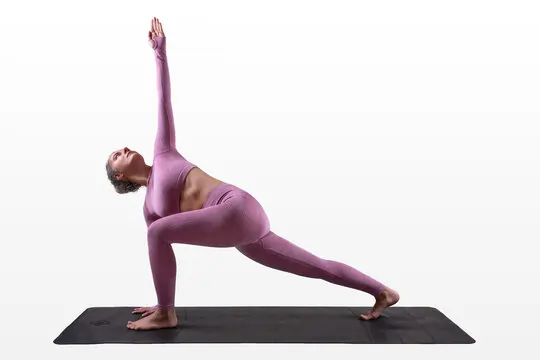
- With your right leg, lunge forward, making sure your knee is just over your ankle and not extended past it.
- Raise your left arm overhead and slant your torso to the right.
- Return to standing upright by bringing your right leg back. Using your left leg, leap forward.
- Do this five times for every leg.
5. Spinal rotations

- Place your arms out to the side at shoulder height and place your feet shoulder-width apart.
- Slowly begin rotating your body from right to left while maintaining a still torso.
- Do this five to ten times.
6. Walking lunges

Though these exercises can also help warm up the muscles in the lower legs, thighs, and buttocks, trainers occasionally recommend including lunges in a workout.
Doing a walking lunge:
- Standing, take a single-leg step forward, being careful not to let the knee extend past the ankle.
- Return to standing by taking a step forward, then do the same with the other leg.
- Five times on each side, repeat this.
7. High knees

This helps the body get ready for running. It is a softer, slower version of running.
To do high knees:
- Straighten your posture and carefully raise one knee to your chest.
- Go back to the beginning position and repeat with the opposite knee.
- Continue rotating knees and pick your speed as your body warms up.
- Set a goal of 20 reps per side.
8. Butt Kicks

Runners perform this dynamic stretch because butt kicks mimic the running motion. He claims that it “stretches the quadriceps and activates the hamstrings, preparing the legs for the impact of running.”
- Kick the heels towards the butt while jogging in place.
- Keep running in this manner for a minute.
When to Use Dynamic Exercise
- Pre-Workout Warm-up: To prepare your body for physical exertion, dynamic activities are most frequently incorporated before a workout or game.
- Cool-Down: Although they are less common, some dynamic stretches can also be used to aid in the body’s cooling down after exercise.
FAQs
What is Dynamic exercise?
Dynamic exercises use regulated, moving stretches to warm up the body and get it ready for activity. Dynamic exercises involve the rhythmic movement and activation of muscles.
Walking lunges, arm circles, and leg swings are a few examples that work the muscles through their maximum range of motion, promote blood flow, and enhance flexibility, coordination, and athletic performance. Dynamic exercises are perfect for warm-ups before a workout, particularly for sports that need quick direction changes or motions.
What are the benefits of dynamic exercise?
Better Warm-Up: Dynamic stretches improve blood flow to the muscles and joints, thereby preparing the body for exercise.
Improved Performance: Studies have shown that improving muscle strength and coordination can aid in activities that call for quick direction changes or fast movements.
Injury Prevention: Dynamic warm-ups can lower the chance of injury by moving muscles and increasing the range of motion.
Better Flexibility: They help you become more flexible and move more freely without the possible negative effects of static stretching, which has been shown in certain studies to weaken muscles.
What are the examples of dynamic exercise?
1. Arm circles
2. Leg pendulum
3. Leg circles
4. Lunge with a twist
5. Spinal rotations
6. Walking lunges
7. High knees
8. Butt Kicks
How to perform the lunge with a twist exercise?
With your right leg, lunge forward, making sure your knee is just over your ankle and not extended past it.
Raise your left arm overhead and slant your torso to the right.
Return to standing upright by bringing your right leg back. Using your left leg, leap forward.
Do this five times for every leg.
How to perform the leg pendulum exercise?
While keeping your balance with the opposite leg, start swinging one leg back and forth. You can hold on to a wall if you need to.
Make five to ten forward and backward swings.
Swing that leg down five to ten times, then repeat with the other leg.
You can then swing your legs side-to-side while facing the wall if you’d like.
When to use dynamic exercise?
Pre-Workout Warm-up: To prepare your body for physical exertion, dynamic activities are most frequently incorporated before a workout or game.
Cool-Down: Although they are less common, some dynamic stretches can also be used to aid in the body’s cooling down after exercise.
References:
- Nunez, K. (2019, July 12). 12 exercises for dynamic flexibility. Healthline. https://www.healthline.com/health/exercise-fitness/dynamic-flexibility
- Cpt, S. C. (2023, September 18). What is dynamic stretching, and how to do it. https://www.medicalnewstoday.com/articles/dynamic-stretching#for-the-upper-body
- Laurence, E. (1970, January 1). How to stretch before a workout to help (Not hinder) performance. https://www.onepeloton.com/blog/dynamic-stretches