Kurmasana (Tortoise Pose)
What is Kurmasana?
Kuramasana is a forward bend that is deeply ingrained. Along with calming muscle relaxation, it takes a practitioner’s awareness on a journey of introspection.
Due to its many advantages, this advanced bend yoga pose has been practiced since ancient times. Because of this, Kurmasana continues to be popular in the contemporary world of yoga.
This asana balances a person’s mental, physical, and emotional columns to support the body’s entire structure. Thus, it can thrive in a healthy environment.
Meaning:
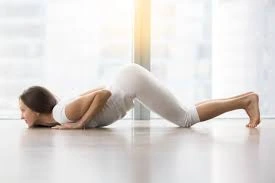
The Sanskrit terms “kurma” and “asana,” which signify “tortoise” and “pose,” respectively, are combined to form Kurmasana. In this pose, the practitioner bends their back forward and extends their hands backward and legs forward.
The entire structure, including the stretched hands and legs, and curled back, resembles a tortoise. This is why it’s referred to as “tortoise pose” or “turtle pose.”
Muscle Work During Kurmasana:
- Neck Muscle
- Arms and Shoulder Muscles
- Upper Back Muscles
- Middle Back Muscles
- Lower Back Muscles
- Core Muscles
- Pelvic Muscle
- Hip Muscles
- Hamstring Muscle
- Quadriceps Muscle
How to Perform?
- Start by extending your legs and placing your hand next to your hips as you enter Dandasana. Firmly plant your thigh on the mat.
- Widen your legs such that the distance between your knees is more than the width of your shoulders.
- Now bend your knees a little. Stretch your arms and chest gently down between your legs and forward.
- To move your arms under the bent knees from the inside, bring your chest forward. The knee cap should be beneath your elbow.
- To give your shoulders more room beneath your knees, keep bending your leg upward from this point.
- You can soften the pose by extending your abdomen and rolling your thighs inward while keeping your feet relaxed.
- Now press your shoulders or upper arms against your thighs while extending your chest and collarbones.
- Feel your legs being stretched and straightened, and your inner heels pressing downward. Hold the position.
- Release: Hold the stance for 20 to 30 seconds, or longer if your body requests it. Slide your arms back from your knees gradually, then sit with your spine in a relaxed position. To unwind, you can shake your legs. Allow your shoulders to relax and loosen up.
Benefits:
Strengthens the Back: Tortoise posture activates the muscles surrounding the lumbar spine and, if done carefully, massages the backache-related nerves. It improves lower back pain by encouraging prana flow.
Enhances digestion: Kurmasana’s forward bend provides a mild massage around the abdomen, which progressively activates the internal organs. Thus, the kidneys, liver, and digestive system function better.
Promotes hip and shoulder flexibility: Kurmasana has a strong effect on the hips and shoulders, creating space for them to open up. Regular Kurmasana practice makes it easier and smoother to open the hips.
Reduces sciatica: The sciatic, the biggest nerve, is gently massaged while the lower back is extended in Kurmasana. It starts in the lower back and travels down the lower limbs and through the buttocks. This soothes the nerves and lessens sciatica-related pain.
Therapeutic for asthma: The lungs are sufficiently supplied with oxygen when the diaphragm is deeply opened, and the upper and mid-backs are extended. This helped treat asthma by supplying new oxygen to the lungs.
Calms the Mind: Kurmasana promotes mindfulness of the breath, which calms the body and mind. This yoga pose develops interior connection and profound tranquilly by withdrawing all senses. Use the Turtle Pose to cultivate mental and physical well-being.
Beginner’s Advice:
- It would be ignorant and detrimental to one’s well-being to go right into the asana. Therefore, before practicing, newly enrolled practitioners must adhere to the requirements.
- Kurmasana is a sophisticated forward-bending pose that calls for a high degree of flexibility. As a result, do not push yourself to complete the pose.
Preparatory Pose:
Uttanasana (Standing Forward Bend):
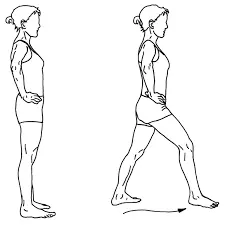
Pose like a mountain to start. Here, take a few breaths to stretch your spine and stabilise your core. Place your hands by your waist and take a breath while standing with your feet hip-width apart.
Breathe out and begin to tilt your upper body forward. Raise your arms over your head and allow them to contact the floor. Maintain this posture until your shoulders, arms, and spine feel more relaxed and flexible, and your hamstrings and glutes become active.
Upavistha Konasana (Wide-Angle Seated Forward Bend):
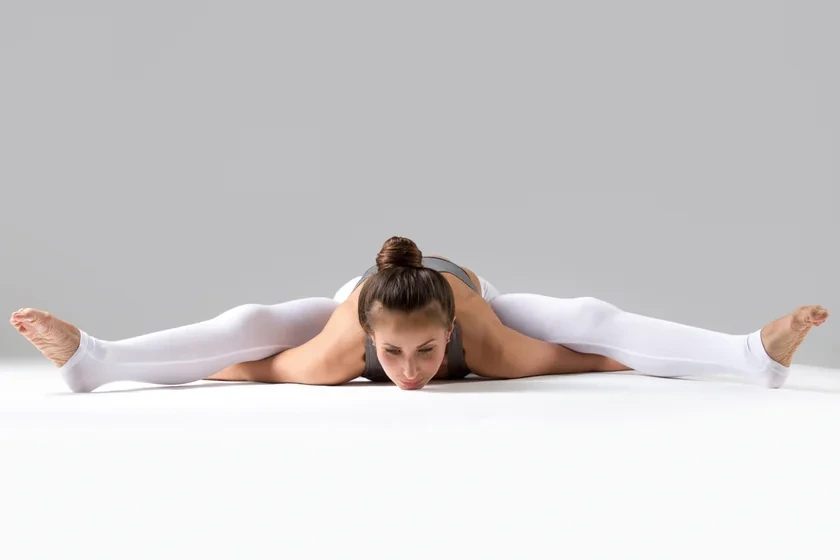
Spread your legs wide on either side as you sit on the mat. To engage your entire upper body, take a breath and flex your arms above for a few seconds.
Breathe out and begin to stoop towards the floor. Your palms, forehead, chest, and core should all be fully resting on the ground. To increase blood circulation in your shoulders, glutes, and spine, hold this pose for two to three minutes.
To begin, stand on one leg. Bend your left leg and cross your right knee over your left kneecap. Create a full eagle legs formation by wrapping your left foot behind your right calf muscle, if your flexibility permits.
Lift your chest to lengthen your spine while maintaining a neutral gluteal position.
Next, cross your elbows and raise your right arm over your left. Create the eagle arms pose by bringing the palms of your two arms together to securely grip each other.
Hold this stance for as long as it feels comfortable, keeping your elbows at shoulder level. Repeat on the opposite side after releasing. This is a fantastic method to increase your core and limb strength and flexibility.
Props and Modifications:
- Beginners can maintain their head at a certain distance from the floor if they are unable to put their chin to the ground.
- If the shoulder is stiff, it may be challenging to get hands under the knees. Holding a strap in your hand behind your back will help you get around this. Reach slowly from both sides to the centre of the strap.
- One needs to have flexible inner thighs and hamstrings in order to deepen the forward bend. You can work your hamstrings with the big toe pose and your inner thighs with the butterfly pose.
Variations:
Supta Kurmasana:
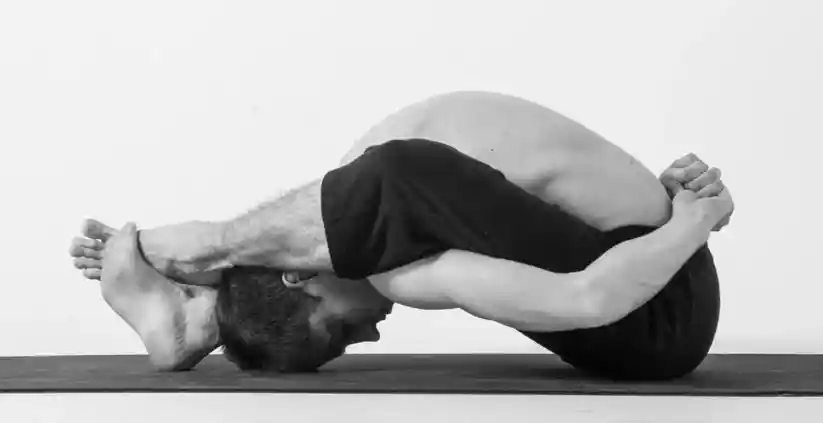
- Start with the Kurmasana and try to sit so that your forehead contacts the floor instead of your chin.
- Now slowly raise your left leg above your head and place it across your neck; repeat the same with your right leg.
- Additionally, take each arm behind the back and press your hands together. Hold this position and keep it that way.
Ardha kurmasana:
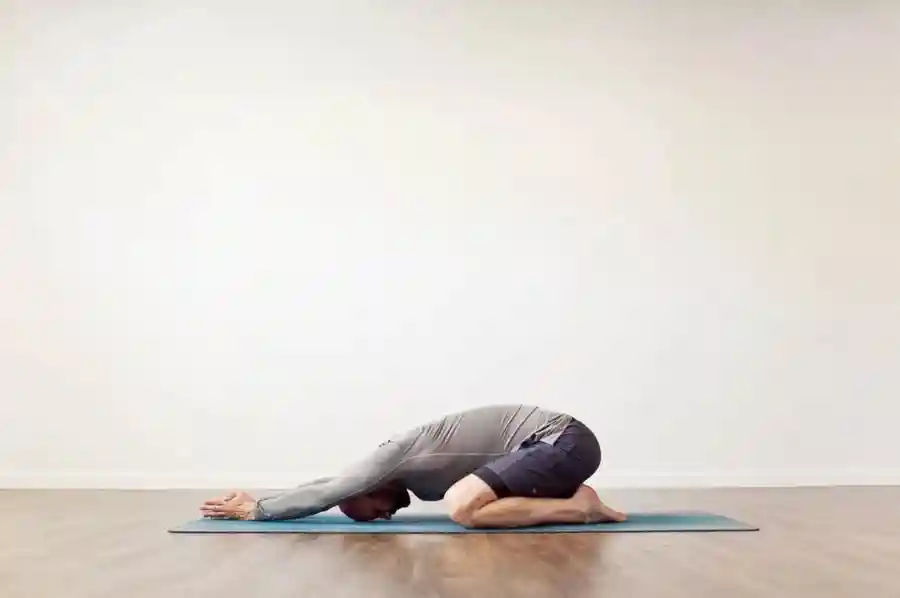
- This version of the tortoise stance is suitable for beginners. Sitting in the Vajrasana pose is the first step. Take a deep breath and extend your arms.
- After that, exhale deeply, bend your upper body forward, and place your arms and forehead on the floor. For the main position practice, this variation will strengthen your legs and spine.
Uttana kurmasana:
- Garbha Pindasana, a type of kukkutasana, is the same as this variation of Kurmasana.
- Enter Vajrasana. Put your hands next to your hips and use them to gently lean back.
- One by one, place your elbows on the ground, followed by the top of your head. Now extend your torso while placing your hand on your thighs. Hold this position for a few breaths.
Precautions and Contraindications:
- Avoid the tortoise stance when you’re pregnant or menstruating. Intense pressure is applied to the uterus or the abdomen in this pose.
- Kurmasana should not be performed too deeply by those who have sciatica. Your sciatic nerve may become irritated if you overstretch your hamstrings.
- Kurmasana should not be performed by people with major disc issues, abdominal surgeries, shoulder and spine injuries, etc. This could make the aforementioned problems worse.
FAQs
Can beginners perform Kurmasana?
Kurumasana should not be performed by beginners who are just beginning their practice. In order to improve their level of flexibility, beginners should instead concentrate on their whole body flexibility and attempt to adapt the Tortoise stance using props.
What are the benefits of Uttana Kurmasana?
Strengthening your legs, engaging your core, relaxing your spine, stimulating your adrenal gland, and massaging your kidneys and reproductive systems are all benefits of doing Uttana Kurmasana, also known as Upside-Down Tortoise posture.
What is Supta Kurmasana?
Supta Kurmasana, or Sleeping Tortoise pose, is performed by getting into the primary Tortoise position and staying there for five deep breaths to stabilize your mind and body. Then, gently externally rotate your hips and try to bring your legs over your head. Clasp your hands behind your back while controlling your breath.
Who should avoid performing Kurmasana?
The Kurmasana pose should be avoided by practitioners who have sciatica, herniated discs, persistent low back discomfort, or inflammatory knee arthritis. Additionally, this procedure should be temporarily avoided by pregnant or postpartum women.
How long should you hold Kurmasana?
Hold for 30 to 60 seconds, then let go. Bend your knees and start lifting your torso to exit Kurmasana. After removing one arm from beneath the thigh, remove the other arm.
What are the benefits of the Tortoise Pose?
Kurmasana improves posture and eases back stress and stiffness by lengthening and aligning the spine. Opening and extending the shoulders, hamstrings, and hips can also improve the range of motion and flexibility of the joints.
What are the common mistakes in Kurmasana?
Common errors include locking knees, pushing arms too much, and rounding the back excessively. Rather, focus on the stretch’s quality rather than getting to the floor. Precautions for safety: Avoid if you are pregnant or have recently sustained a hip, shoulder, or back injury.
References:
- Kurmasana (Tortoise Pose): Steps, Variations, Benefits, & Precautions – Fitsri Yoga. https://www.fitsri.com/poses/kurmasana
- Allen, W. (2025l, August 26). Kurmasana (Tortoise pose). https://myyogateacher.com/yoga-asana/kurmasana
- Tortoise Pose Yoga Pose (Kurmasana Pose). Tummee. https://www.tummee.com/yoga-poses/Kurmasana