Apical Breathing Exercise
Introduction
Apical Breathing Exercise is a technique focused on expanding the upper part (apex) of the lungs. It involves shallow, quick breaths that primarily engage the upper chest and collarbone area, helping improve ventilation in the upper lung zones and enhancing respiratory efficiency, especially in patients with restricted lower lung function.
The neck and shoulders, which are auxiliary muscles used in apical breathing, might get overworked in contrast to diaphragmatic breathing. In addition to being less effective in exchanging oxygen, excessive usage of it can lead to tiredness and bad posture.
Indications
- Postoperative pain or lung surgery recovery
- Pneumonia
- Chronic obstructive pulmonary disease (COPD)
- Neuromuscular disorders affecting breathing
- Cystic fibrosis
- Lung abscess
- Bedridden patient
- Bronchitis’s
Contraindications
- High intracranial pressure
- Severe head/neck injuries
- Abdominal incisions or diaphragm weakness
- Flail chest
- Hypertension
- Acute asthma
- After a heart attack
Apical breathing exercise

- Position: Take a seat in a comfortable chair, either erect or slightly reclining.
- Hand placement: Place both hands on the upper part of the scapula, which is directly behind the clavicle bone.
- Focused on every breath.
- You ought to strengthen your upper body. Then release the breath slowly through your mouth.
- Rest in between sets while you repeat 5–10 cycles.
Guidelines for physiotherapists
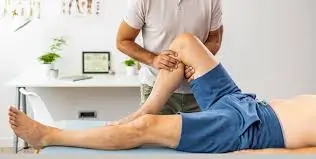
- When a patient is exhaling in a therapeutic environment, a therapist may: Apply little pressure right below the collarbone.
- Point the patient’s breath toward the upper chest.
Tips for effective practice
- Keep your breathing easy and don’t force it.
- If necessary, check chest movement using a mirror.
- For complete lung involvement, combine with other segmental breathing strategies.
Benefits of breathing exercises
- Reduces Stress: By triggering the parasympathetic nervous system, it aids in mental and physical relaxation.
- Reduces Anxiety: Assists in lowering cortisol levels and controlling anxiety disorder symptoms.
- Enhances Sleep Quality: Facilitates deeper and quicker sleep by lowering heart rate and encouraging relaxation.
- Improves Lung Function: Boosts oxygen intake and fortifies respiratory muscles.
- Reduces Blood Pressure: Deep breathing can help lower blood pressure by widening blood vessels.
- Increases Focus and Concentration: Blood that is high in oxygen enhances mental clarity and brain function.
- Enhances Immune Health: Lowers long-term stress, which promotes the best possible immune system performance.
- Enhances Emotional Regulation: Gives one the opportunity to take a moment to react calmly instead of emotionally.
- Lessens Depressive Symptoms: Deep breathing can improve mood and serotonin levels.
- Reduces Chronic Pain: Breathing can reduce the impression of pain by soothing the neurological system.
- Enhances Posture: Promotes standing or sitting erect, which helps maintain healthy spinal alignment.
- Facilitates Digestion: Promotes improved digestive function and relaxes the abdominal region.
- Hormone balance: breathing techniques help lower stress hormone release.
- Enhances Creativity: Clearer, more imaginative thinking is fostered by a peaceful, oxygen-rich brain environment.
- Boosts Body Awareness: Makes it easier for you to pick up on subtle bodily clues like posture and stress.
- Enhances Speech and Voice Control: Through improved breath control, voice strength, and clarity are supported.
Side effects of breathing exercises
- Dizziness
- Headache
- Hyperventilation
- Nausea
- Muscle cramping
- Fatigue
- Emotional release
- Chest Pain
Assessment of breathing pattern
When a patient first appears at the clinic, their breathing pattern is evaluated. Because the patient is uncertain that they are being watched, there is less chance of intentional modifications in breathing patterns.
It is also important to assess the patient’s posture since a hunched or stooped position may prevent the diaphragm from expanding to its maximum potential. Following the first assessment of the patient’s breathing patterns and complete medical history, the doctor can start a thorough breathing examination.
FAQs
What are the major types of breathing exercises?
Segmental breathing
Diaphragmatic breathing
Deep breathing
Pursed lip breathing
Relaxed breathing
Alternate nostril breathing
What are the main muscles while doing the apical breathing exercise?
Trapezius
SCM(sternocledomastoid muscles)
Serratus anterior
Pectoralis minor muscle
Scalene muscles
How can I relieve lung pressure?
Diuretics, like furosemide (Lasix), lower the pressure in the heart and lungs brought on by too much fluid. Medications for blood pressure. These aid in controlling hypertension and hypotension, which can be brought on by pulmonary edema. Additionally, a doctor could recommend drugs that reduce the pressure entering or leaving the heart.
Which exercises help build stronger lungs?
Six Breathing Techniques for Excruciating Asthma
Exercises that enhance breathing technique and expand lung capacity should be your main emphasis if you want to strengthen your lungs. Some health and fitness websites claim that interval training, pursed-lip breathing, and diaphragmatic breathing are all useful techniques. Lung function can also be improved by including exercises like cycling, swimming, or jogging.
Which breathing exercises are beneficial for the lungs?
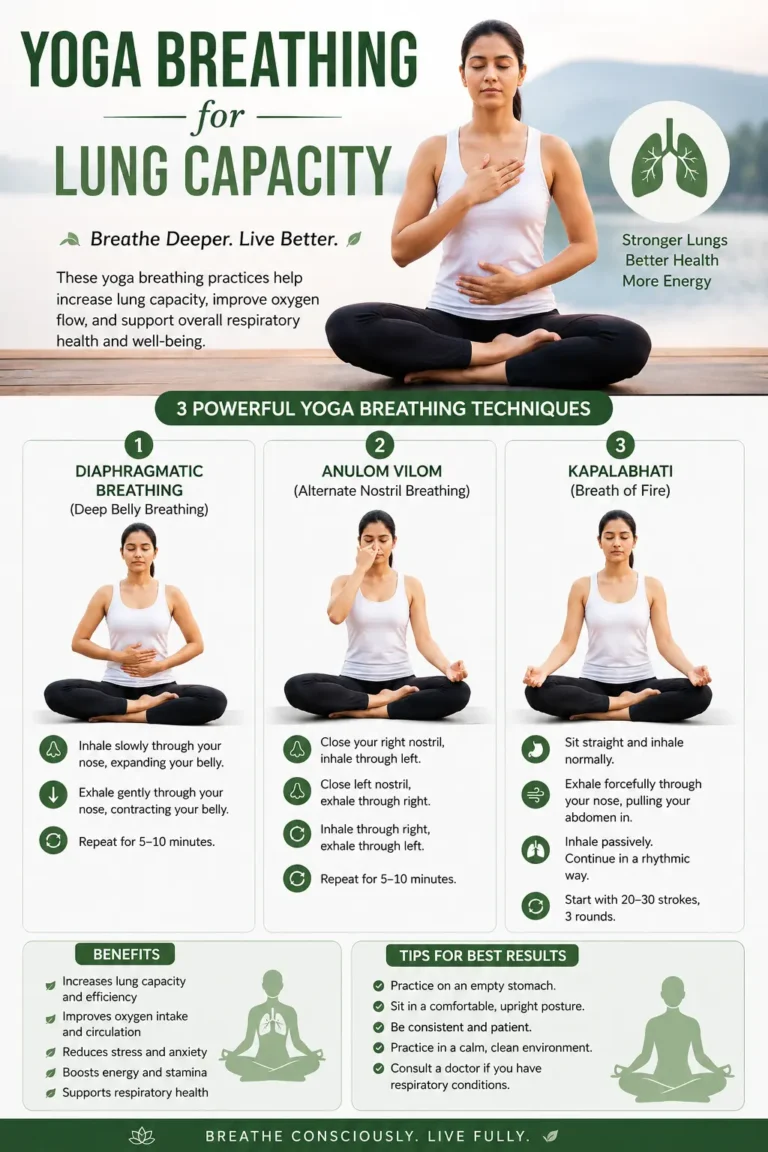
For approximately two seconds, inhale through your nose, almost as if you were inhaling a scent. To assist in filling your lungs with air, use your abdominal muscles. Exhale slowly through your lips, similar to blowing out a candle. You should repeat these actions about fifty times.
How can I monitor the level of oxygen in my home?
Depending on your condition, a medical item oximeter can be placed on any finger. It should not be applied to your ear; it functions best on your middle or index finger of either hand. Wait a little while for the correct reading. For a minimum of one minute, or longer if the reading continues to fluctuate, keep the pulse oximeter in place.
What is the best exercise to do if you have breathing issues?
Exercise to enhance breathing
Walking: begin with a few minutes a week and gradually increase.
Maintain the suppleness of your muscles by stretching.
For weight training, utilize tiny, portable dumbbells.
References
- AadiTya. (n.d.). Breathing exercises, types, indications, containdications.pptx. SlideShare. https://www.slideshare.net/slideshow/breathing-exercises-types-indications-containdications-pptx/273112083
- myhealthopedia.com. (2025, June 5). Breathing Exercises: Types, 25 Benefits, Side Effects & How to Do. Myhealthopedia. https://myhealthopedia.com/breathing-exercises-types-benefits-side-effects/
- Unadkat, D. (2023, August 24). Apical breathing exercise. Mobility Physiotherapy Clinic. https://mobilephysiotherapyclinic.net/apical-breathing-exercise/