Coordination Exercise
What is a Coordination Exercise?
Coordination exercises help improve the ability of your muscles and nervous system to work together smoothly and efficiently. These exercises enhance balance, agility, and body control, making daily activities and sports movements easier and safer.
Coordination is defined as the capacity to perform precise, regulated, and fluid motor responses (the best possible interaction of muscle function).
The capacity to choose the right muscle at the right time with the right amount of force to produce the right motion is known as coordination. Muscular tension, the right pace, distance, direction, and timing are all characteristics of coordinated movement.
Components of Coordinated Movement
Coordination of movement depends on:
- Volition: Volition is the capacity to start, continue, or halt a movement or action.
- Proprioception: In order to integrate motor impulses and sensory feedback, perception involves subcortical centers and touch proprioception. When proprioception is compromised, visual feedback is used to compensate.
- Engram: A presumed biochemical or physical alteration in brain tissue that symbolises a memory is called an engram. It has been demonstrated through research that developing an engram requires high repetitions of accurate performance.
Types of Coordination
Three talents must work together to accomplish a motor task coordination
Skills for Fine Motors
- Necessitate the coordinated use of tiny muscles (facial, hand).
- Examples include blowing bubbles, buttoning a garment, writing, and painting.
Gross Motor Proficiency
- Demands the coordinated use of big muscles or muscle groups (trunk, extremities).
- Examples include running, walking, and lifting.
Skills in Hand-eye
- coordination of visual information by the visual system. It is received and then used to guide or control the hands to complete a task.
- Examples include sewing, catching a ball, and using a computer mouse.
Causes of Coordination Impairments
- Brain damage caused by trauma
- Drinking Alcohol Infection
- Neuropathy
- Spinal Cord Injury
- Multiple sclerosis (MS)
- Stroke
- Parkinson’s Disease
- Transient ischemic attack (TIA)
- Wilson’s Disease and Friedreich’s ataxia are examples of genetic ataxias.
- Cerebral Palsy
- Brain tumor
- Ataxia can also be caused by toxins.
- Most commonly, alcohol
- Medication for seizures
- Drugs used in chemotherapy
- Using lithium
- Both heroin and cocaine
- Sedatives
- Heavy metals, including lead, mercury, and others
- Other solvents, such as toluene
Examples of Coordination Exercise
Upper Body Coordination Exercises
1. Seated Shoulder Taps

Because they work the upper body and retrain muscular coordination, seated shoulder taps help increase arm control and stability. This practice improves proprioception and movement awareness in a straightforward yet efficient manner.
How to Complete It:
- With your feet flat on the floor, take a seat in a comfortable chair.
- Tapping your left shoulder, raise your right hand.
- Repeat with the left hand to the right shoulder after lowering it.
- For each side, do ten repetitions.
- When necessary, use a mirror to get visual feedback.
2. Tabletop Finger Taps

The dexterity and finger coordination that are necessary for writing, buttoning a shirt, and handling utensils are enhanced by this practice. Fine motor abilities are strengthened by the practice of regulated finger motions.
The Way to Do It:
- Place your hands on the surface of the table where you are sitting.
- Tap the table with each finger as you raise it.
- Alternate between the thumb, pinky, and back in a consecutive manner.
- Do this for two to three minutes.
3. Arm Circles

By increasing shoulder mobility and coordination, arm circles help people better control their upper limb movements. The arms and shoulders’ stabilising muscles are also used in this workout.
How to Do It:
- Stand or sit with your arms out to the sides.
- Use your arms to make little circles.
- Increase the size of the circle gradually.
- 30 seconds should be spent in each direction.
Lower Body Coordination Exercises
4. Seated Marching

Walking and standing become simpler while marching while seated because it improves balance and leg coordination. Better lower-body mobility is another benefit.
How to Do It:
- Place both feet flat on the ground and sit in a chair.
- Lower one knee after raising it towards the chest.
- Make a marching motion with alternate legs.
- For one to two minutes, perform.
5. Heel-to-Toe Walking

After a stroke, heel-to-toe walking is a great way to improve gait control and balance. Walking confidence is enhanced, and the stabilising muscles in the legs are strengthened.
How to Do It:
- With the heel touching the toe, position one foot directly in front of the other while standing flat.
- Make slow, intentional progress.
- For balance, use a wall or other support if necessary.
- Take ten to fifteen straight steps.
6. Ankle Circles
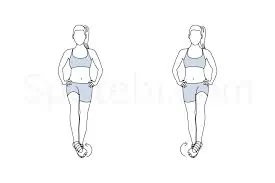
Walking stability and balance depend on the ankles being flexible and coordinated, which is improved with ankle circles.
How to Do It:
- Elevate one foot off the ground while seated.
- Make a circular motion with the ankle.
- Before changing your foot, make ten rounds in each direction.
Hand and Finger Coordination Exercises
7. Finger-to-Nose Touch

A traditional hand-eye coordination and motor control exercise is the finger-to-nose touch.
How to Do It:
- Hold out one arm to the side.
- Gently touch the nose with the index finger.
- Repeat with the arm extended back out.
- For each hand, perform ten repetitions.
- If this proves to be too difficult at first, visual input can be obtained again using a mirror.
8. Coin Pickups

To do daily chores like handling small things, coin pickers help to improve grip strength and fine motor abilities.
How to Do It:
- On a table, drop some coins.
- Pick up each coin with the affected hand and put it in a cup.
- Continue for two to three minutes.
- Try picking up two or three coins at a time and putting them in your hand, picking up new coins with just your thumb and index finger.
9. Wrist Flexion and Extension

This practice develops wrist control and dexterity for activities requiring precise wrist movements.
How to Do It:
- Hold a tiny resistance band or weight.
- Lower the wrist back down after slowly bending it upward.
- Do 10–15 repetitions for each hand.
Balance and Stability Exercises
10. Standing Weight Shifts

By improving balance control and weight distribution awareness, standing weight transfers increase the stability of walking and standing.
How to Do It:
- Make sure your feet are hip-width apart.
- Slowly shift your weight to one side while softly elevating the foot on the other side.
- Move to the opposite side after holding for a few seconds.
- On each side, repeat ten times.
11. One-Leg Stand

Balance is enhanced, and stabilising muscles are strengthened during one-leg standing. This can play a vital role in lowering the risk of falls for stroke survivors.
How to Do It:
- For support, place yourself next to a solid surface.
- Raise one foot off the floor and keep it there for five to ten seconds.
- Repeat with a different leg.
- For each leg, do 5–10 repetitions.
12. Side-to-Side Stepping

By improving lateral balance and coordination, side-to-side stepping makes side movements steadier and controlled.
How to Do It:
- Make sure your feet are hip-width apart.
- After taking a step to the side, bring the other foot up to meet it.
- For a minute or two, keep stepping from side to side.
Visual and Cognitive Coordination Exercises
13. Ball Tracking

Ball tracking enhances hand-eye coordination and visual tracking, two skills essential for manipulating items and traversing spaces.
How to Do It:
- With one hand, softly toss a little ball to the other.
- Pay attention to how the ball moves.
- For one to two minutes, keep going.
14. Letter or Number Tracing
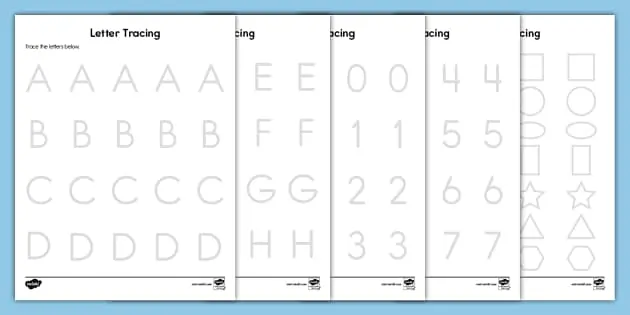
Tracing letters and numbers enhances brain activation and fine motor skills by fusing cognitive and motor abilities.
How to Do It:
- On a surface, trace characters or numerals using a pen or your finger.
- For a coordination test, try writing in the air.
- Spend a few minutes each day performing.
FAQs
What is a Coordination Exercise?
Coordination is defined as the capacity to perform precise, regulated, and fluid motor responses (the best possible interaction of muscle function).
The capacity to choose the right muscle at the right time with the right amount of force to produce the right motion is known as coordination. The Cerebellum.gif
Muscular tension, the right pace, distance, direction, and timing are all characteristics of coordinated movement.
What are the components of coordinated movement?
Volition: Volition is the capacity to start, continue, or halt a movement or action.
Proprioception: In order to integrate motor impulses and sensory feedback, perception involves subcortical centres and touch proprioception. When proprioception is compromised, visual feedback is used to compensate.
Engram: A presumed biochemical or physical alteration in brain tissue that symbolises a memory is called an engram. It has been demonstrated through research that developing an engram requires high repetitions of accurate performance.
The number of repetitions of an engram done just below the maximum level of performance is a measure of the development of coordination.
What are the causes of coordinated impairments?
Brain damage caused by trauma
Drinking Alcohol Infection
Neuropathy
damage to the spinal cord
Multiple sclerosis (MS)
Stroke
Parkinson’s
Transient ischemic attack (TIA)
Wilson’s Disease and Friedreich’s ataxia are examples of genetic ataxias.
Cerebral Palsy
Brain tumor
Ataxia can also be caused by toxins.
Most commonly, alcohol
Medication for seizures
Drugs used in chemotherapy
Using lithium
Both heroin and cocaine
Sedatives
Heavy metals, including lead, mercury, and others
Other solvents, such as toluene
What are the upper-body coordination exercises?
1. Seated Shoulder Taps
Because they work the upper body and retrain muscular coordination, seated shoulder taps help increase arm control and stability. This practice improves proprioception and movement awareness in a straightforward yet efficient manner.
How to Complete It:
With your feet flat on the floor, take a seat in a comfortable chair.
Tapping your left shoulder, raise your right hand.
Repeat with the left hand to the right shoulder after lowering it.
For each side, do ten repetitions.
When necessary, use a mirror to get visual feedback.
2. Tabletop Finger Taps
The dexterity and finger coordination that are necessary for writing, buttoning a shirt, and handling utensils are enhanced by this practice. Fine motor abilities are strengthened by the practice of regulated finger motions.
The Way to Do It:
Place your hands on the surface of the table where you are sitting.
Tap the table with each finger as you raise it.
Alternate between the thumb, pinky, and back in a consecutive manner.
Do this for two to three minutes.
3. Arm Circles
By increasing shoulder mobility and coordination, arm circles help people better control their upper limb movements. The arms and shoulders’ stabilising muscles are also used in this workout.
How to Do It:
Stand or sit with your arms out to the sides.
Use your arms to make little circles.
Increase the size of the circle gradually.
30 seconds should be spent in each direction.
What are the lower-body coordination exercises?
1. Seated Marching
Walking and standing become simpler while marching while seated because it improves balance and leg coordination. Better lower-body mobility is another benefit.
How to Do It:
Place both feet flat on the ground and sit in a chair.
Lower one knee after raising it towards the chest.
Make a marching motion with alternate legs.
For one to two minutes, perform.
2. Heel-to-Toe Walking
After a stroke, heel-to-toe walking is a great way to improve gait control and balance. Walking confidence is enhanced, and the stabilising muscles in the legs are strengthened.
How to Do It:
With the heel touching the toe, position one foot directly in front of the other while standing flat.
Make deliberate, slow progress.
For balance, use a wall or other support if necessary.
Take ten to fifteen straight steps.
3. Ankle Circles
Walking stability and balance depend on the ankles being flexible and coordinated, which is improved with ankle circles.
How to Do It:
Elevate one foot off the ground while seated.
Make a circular motion with the ankle.
Before changing your foot, make ten rounds in each direction.
What are the hand and finger coordination exercises?
1. Finger-to-Nose Touch
A traditional hand-eye coordination and motor control exercise is the finger-to-nose touch.
How to Do It:
Hold out one arm to the side.
Gently touch the nose with the index finger.
Repeat with the arm extended back out.
For each hand, perform ten repetitions.
If this proves to be too difficult at first, visual input can be obtained again using a mirror.
2. Coin Pickups
To do daily chores like handling small things, coin pickers help to improve grip strength and fine motor abilities.
How to Do It:
On a table, drop some coins.
Pick up each coin with the affected hand and put it in a cup.
Continue for two to three minutes.
Try picking up two or three coins at a time and putting them in your hand, picking up new coins with just your thumb and index finger.
3. Wrist Flexion and Extension
When engaging in activities that call for precise wrist movements, this exercise helps increase wrist control and dexterity.
How to Do It:
Hold a tiny resistance band or weight.
Lower the wrist back down after slowly bending it upward.
Do 10–15 repetitions for each hand.
References:
- Otr/L, E. D. (2025, February 24). Coordination Exercises for Stroke Patients: 14 expert-approved ideas to boost recovery After Stroke. Flint Rehab. https://www.flintrehab.com/coordination-exercises-for-stroke-patients/?srsltid=AfmBOoq7KUS2Qz3Wv_r_9S0WPiutrzmg84SBV1a5BiPUGBP-oNcGtoYV
- Ninjas, N. (n.d.). Coordination exercise for PTs and OTs to enhance stability. The Note Ninjas. https://thenoteninjas.com/blog/f/coordination-exercise-for-pts-and-ots-to-enhance-stability