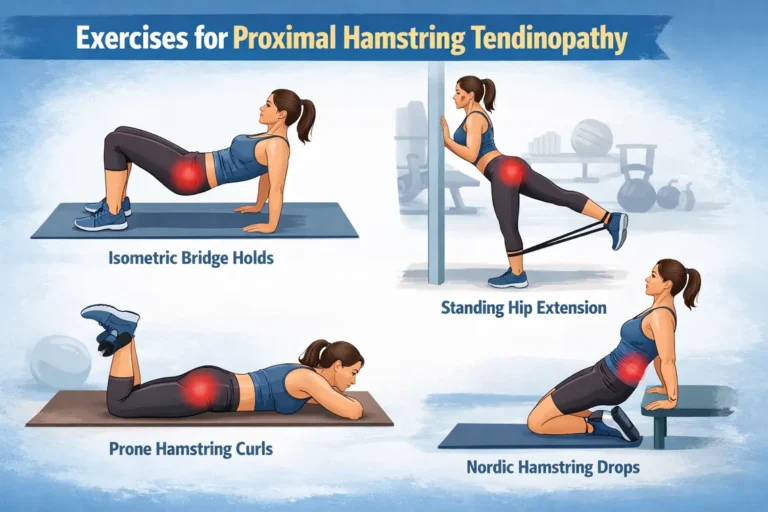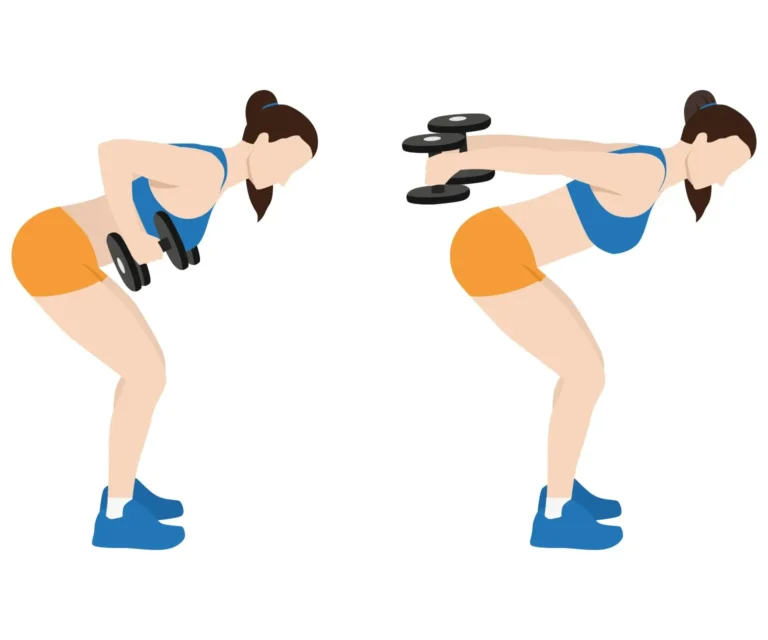
Home Physiotherapy Exercises
Introduction
Home Physiotherapy Exercises provide a convenient and effective way to improve strength, flexibility, balance, and overall physical health without visiting a clinic or gym.
Fitness is generally associated with physical activity, weightlifting, cycling, or running. However, physiotherapy is an important component of fitness that many individuals ignore.
Including physiotherapy in the way you exercise can help you perform better, avoid injuries, and heal more quickly.
We’ll go over why physiotherapy should play an important role in your exercise routine and how it may help you reach your objectives in a safe and efficient manner.
The Power of Exercise Therapy: A Physiotherapist’s Perspective
Physical pain and injuries are everywhere in today’s fast-paced society, which frequently prompts people to seek out passive therapies like medicine, rest, or even surgery.
Exercise therapy is one of the best and most long-lasting options for recovery, injury prevention, and general health, even though these interventions may have their place.
What is Exercise Therapy?
Exercise therapy is a planned schedule of physical activities intended to enhance general function, strength, mobility, endurance, and balance. Exercise therapy, in contrast to general fitness exercises, is recommended and customised by physiotherapists according to each patient’s unique condition, limits, and objectives.
It can be applied to:
- Heal from wounds and surgeries
- Decrease inflammation and chronic pain
- Improve mobility patterns and avoid re-injury
- Boost your athletic performance
- Treat musculoskeletal and neurological conditions
The Benefits of Physiotherapy for Fitness
For those who want to increase their level of fitness, physiotherapy has many advantages. Among the biggest benefits are:
- 1. Injury Prevention: By identifying and correcting possible body imbalances and weaknesses, physiotherapy lowers the chance of injury and maintains regular exercise.
- 2. Better Performance: Physiotherapy can help you perform at your peak and reach your fitness objectives more quickly by improving flexibility, strengthening core muscles, and optimising movement patterns.
- 3. Improved Recovery: Physiotherapy methods, including massage, joint mobilisation, and soft tissue mobilisation, can enhance circulation, lessen discomfort in the muscles, and hasten the healing process following physical activity.
- 4. Improved Body Awareness: Physiotherapy enables you to exercise more effectively and efficiently by helping you get a deeper understanding of your body, including its strengths, weaknesses, and movement patterns.
- 5. improved Posture: Physiotherapy can help you achieve improved posture, which lowers your risk of neck and back pain and facilitates better digestion and breathing.
Injury Prevention: The Secret to Long-Term Fitness (The Significance of Including Physiotherapy in Your Exercise Program)
Injury prevention is one of the main reasons physiotherapy should be an essential part of any exercise program. Overuse or poor technique can result in strains, sprains, and other ailments, whether you’re doing yoga, running long distances, or lifting big weights.
Physiotherapists may evaluate your body’s mechanics to find any flaws or imbalances that could put you at risk for injury because they are specialists in biomechanics and movement patterns.
Physiotherapy aims to address these problems before they result in major injuries by providing customised exercises, posture correction, and stretching suggestions. You can prevent long-term harm and an incomplete fitness journey by correcting minor difficulties early with a routine physiotherapy check-up.
Faster Recovery: Get Back on Track More Quickly (The Benefits of Including Physiotherapy in Your Exercise Program)
Even the most experienced sportsmen suffer from muscle tiredness or injuries. You can return to your exercises more quickly and efficiently if you receive the proper physiotherapy to expedite your recuperation. Physiotherapy is about more than simply treating injuries; it’s also about assisting your body in healing.
Improved Performance and Mobility(Reasons to Include Physiotherapy in Your Exercise Program)
Through increased strength, flexibility, and mobility, physiotherapy can maximise your sports performance. Having a physiotherapist guide you with customised stretches, exercises, and body mechanics is invaluable, regardless of the sport or fitness activity you engage in. This can help you push your fitness boundaries without going overboard, improve your endurance, and lessen tiredness.
works with individuals who want to improve their performance and optimise their exercise schedules. Physiotherapy plays a crucial role in assisting you in realising your full potential by diagnosing areas that require development and developing a methodical plan to address them.
Posture Correction and Body Alignment
Many people overlook the significance of good posture, which can affect daily well-being and fitness advancement. Whether you’re lifting weights at the gym or spending hours at a desk, bad posture can cause musculoskeletal issues,s including neck tension, shoulder strain, and back pain.
Physiotherapists are qualified to recognise and treat postural problems that may result from your lifestyle, exercise routine, or past injuries.
Personalised Programs for Your Unique Needs
A one-size-fits-all approach to fitness isn’t always effective because every person’s body is unique. Workouts are customised by physiotherapists based on their assessment of your physique. Physiotherapy offers a personalised approach to address your unique goals and physical limits, regardless of your level of experience.
Every patient gets the support and care they require to meet their individual fitness goals, whether they are strengthening their muscles, improving their flexibility, or healing from an accident.
Holistic Health Approach
There is more to incorporating physiotherapy into your exercise program. Taking care of your general well-being is just as important as increasing your physical fitness. Physiotherapists can offer important insights into how exercise affects other facets of your health, such as posture, balance, and mental well-being, because they are specialists in understanding how the body functions as a whole.
A Stronger Mind-Body Connection
Lastly, a stronger mind-body connection is encouraged by physiotherapy. through enhancing strength, flexibility, and movement patterns. You’ll become more conscious of how your body works both during exercise and in daily life.
You can keep aware of your body’s requirements by practising mindfulness. increasing your awareness of injury hazards and the times when you should take a break or modify your technique.
How Physiotherapy Can Enhance Your Fitness Routine
There are several ways to incorporate physiotherapy into the way you work out. Among the most successful techniques are:
1. Pre-activity Screening: To assist you in getting ready for the activity, a physiotherapist can evaluate your movement patterns, spot any potential limitations, and provide customised workouts.
2. Injury Rehabilitation: If you do sustain an accident, physiotherapy can help you heal more quickly and efficiently, allowing you to resume your fitness routine sooner.
3. Maintenance and Prevention: Frequent physical therapy sessions can improve general fitness, avoid injuries, and preserve ideal movement patterns.
4. Personalised Exercise Programs: In particular, a physiotherapist can design an exercise regimen that is unique to your requirements and objectives.
5. Group Fitness courses: Physiotherapy-led group fitness courses, for example, can offer an enjoyable and social opportunity to increase your level of fitness and lower your risk of injury.
How Physiotherapists Customise Exercise Therapy
The customised approach to exercise treatment is one of the main advantages of working with a physiotherapist. Programs are customised according to:
- Current injuries and medical history
- Levels of pain and limitations on movement
- Assessments of strength, endurance, and balance
- Functional objectives (such as resuming daily activities, sports, and post-surgical rehabilitation)
- Long-term success through gradual advancement
FAQs
What are the benefits of physiotherapy at home?
At-home physical therapy has many benefits. You may stay pain-free and have an active lifestyle without having to deal with the delay and cost of travelling to a clinic. Physiotherapy can help you recover from a sports injury, manage chronic pain, or increase your flexibility.
How many physio sessions for sciatica?
Sciatica is usually treated in four to six physiotherapy sessions. Because sciatica is not a diagnosis, recovery can vary from person to person depending on the root cause of your sciatica and underlying condition.
Can physical therapy help weak legs?
The first step in treating leg weakness is physical therapy. Stretches, balance exercises, and strength-building exercises like squats and lunges may all be part of your personalised schedule. Multiple muscle group exercises are the most effective since they mimic real-life motions. Exercisers should begin with three to five exercises and perform three sets of eight to twelve repetitions.
Can physical therapy help with vertigo?
People can regain their mobility by managing the symptoms of vertigo and dizziness with the assistance of a physical therapist. Physical therapists are movement specialists who enhance quality of life by providing direct care, educating patients, and prescribing movement. For an assessment, you can speak with a physical therapist immediately.
What are the only 5 exercises you’ll ever need?
Squat, hinge, push, pull, and plank. These are the 5 essential, functional movement patterns that comprise almost all of the human movement necessary for total fitness. Compound exercises that work every major muscle group, improve mobility, and reduce injury risk for functional, everyday strength.
5 Exercises to Try
Squat (Lower Body) – Target Quads, Glutes, Hamstrings,s and Core. Examples: Goblet squat, barbell back squat.
Hinge (Posterior Chain) Works the hamstrings, glutes, es and lower back. Examples: Deadlift, Romanian deadlift, kettlebell swing.
Push (Upper Body): Builds the chest, shoulders, and triceps. Examples: Bench press, overhead press, push-up
Pull (Upper Body) Builds back and bicep strength. Examples: Pull-up, Row, Inverted Row
Plank/Core (Stability): Supports the spine and core muscles. Plank, bird-dog, hanging leg rise.
Why These Five?
Maximum Efficiency: These movements build strength faster by working multiple muscle groups at the same time.
Functional Mobility. These emulate natural daily movement patterns to promote longevity.
Adaptability: These exercises can be made harder or easier, requiring little to no equipment to get a full-body workout
What are the top 3 exercises for sciatica?
The top three sciatica exercises, which are usually caused by compression of a nerve, are designed to loosen tight muscles and mobilise the nerve. The following exercises are effective and often recommended. Piriformis Stretch (Figure-4) Knee-to-Chest Lumbar Extensions (Cobra Pos.e) These help reduce the nerve irritation from the lower back to the buttocks.
Piriformis Stretch (Figure-4): Lie on your back, cross the ankle of the affected leg over the opposite knee, and gently pull the uninjured leg to your chest until you feel a stretch in your glutes.
Knee to Chest: Lying on your back, knees bent, gently pull one knee to your chest until you feel a stretch in your lower back/ hip. Hold 5-10 seconds and repeat on both sides.
Lumbar Extension (Modified Cobra) Lie on your stomach and slowly push your upper body up using your elbows or hands. Keep your hips on the floor to get a nice stretch in your lower back.
Important Tips:
Nerve gliding/flossing also works to mobilise the sciatic nerve.
Hold each stretch for 20 to 30 seconds to get the most out of it.
Always consult a pro as exercises should be specific to the cause (disc vs piriformis),rmis) etc.
What are the 7 roles of physiotherapy?
Physiotherapists have 7 core roles which focus on specialised care to restore, maintain, and maximise patient mobility and function. These include injury rehabilitation, pain management, post-surgical rehabilitation, movement analysis, neurological rehabilitation, preventative health education, and sports performance enhancement, often through manual therapy and customised exercise.
Here are the 7 roles of physical therapy:
Injury Rehabilitation Treatment for muscle strains, sprains, fractures,s and other injuries.
Pain Management: Use of manual therapy, therapeutic exercises, and electrotherapy techniques to alleviate chronic or acute pain.
Post-Surgical Rehabilitation: Helping patients recover after surgeries like joint replacements and regain function.
Movement & Biomechanics Analysis: Evaluate how a patient moves to address issues with posture, gait, and functional limitations.
Neurological Rehabilitation: Management of movement disorders resulting from conditions affecting the nervous system, e.g., stroke, Parkinson’s disease, spinal cord injury.
Preventative Health & Wellness Education: Educating patients on injury prevention, exercise, and lifestyle changes to avoid future injuries.
Physiotherapists are also teachers, consultants, ts and resear, and often conduct detailed assessments to develop individual, patient-centred rehabilitation programs.
What are the signs of weak leg muscles?
Leg muscular weakness presents as shakiness, frequent tripping, feeling heavy or exhausted, and trouble standing or walking. It can happen as a “wobbling” stride or the inability to get out of a chair without using your hands.
How long between physio sessions?
A well-designed physiotherapy schedule considers your demands and, above all, lets your body recuperate in between sessions. For instance, if you receive physical therapy three times a week, your timetable should include a day off in between sessions and a full weekend rest day.
Can a physio diagnose nerve damage?
Exact Evaluation and Diagnosis: A skilled physiotherapist has the expertise to do a comprehensive evaluation of nerve damage. They are able to accurately identify the type and severity of the injury, spot any related issues, and provide a customised treatment strategy.
Why is night pain a red flag?
Although it would be easy to write it off as the result of an uncomfortable mattress or a bad sleeping posture, it’s necessary to acknowledge that there might be more to it. Sometimes, severe disorders including spinal degeneration, spinal stenosis, or herniated i discscan cause nighttime back pain.
References
- Clinic, P. T. (n.d.). The Power of Exercise therapy: A Physiotherapist’s perspective | PhysioHarder Therapy Clinic. PhysioHarder Therapy Clinic. https://www.physioharder.ca/blog/the-power-of-exercise-therapy-a-physiotherapists-perspective
- Halarnekar, A. S., & Halarnekar, A. S. (2024, June 3). 10 Benefits of Physiotherapy: What Can It Help With? Manipal Hospitals. https://www.manipalhospitals.com/goa/blog/benefits-of-physiotherapy/
- Holding, N. (2026, February 19). What is Exercise Therapy? | Exercise Physio Pilates Ivanhoe. Australian Sports Physiotherapy. https://australiansportsphysio.com/what-is-exercise-therapy/
- India, W. T., India, W. T., & India, W. T. (2025, January 28). Why physiotherapy should be part of your fitness routine. Best Physiotherapy Clinic in Delhi. https://www.physiotherapistdelhi.in/why-physiotherapy-should-be-part-of-your-fitness/
- Physiotherapy First. (2026, May 6). Why Exercise is Important in Physiotherapy? Physiotherapy First | Putting Your Health And Wellness First. https://physiotherapyfirst.ca/blog/exercise-in-physiotherapy
- Sharma, P. (2025, June 23). 9 Reasons Physiotherapy Is Essential for Gym-Goers Recovering from Injury – Physiotherapy for Performance. Physiotherapy for Performance. https://physioforperformance.com/2025/06/23/9-reasons-physiotherapy-is-essential-for-gym-goers-recovering-from-injury/